
How Much Vermicompost Should You Use for Different Crops?
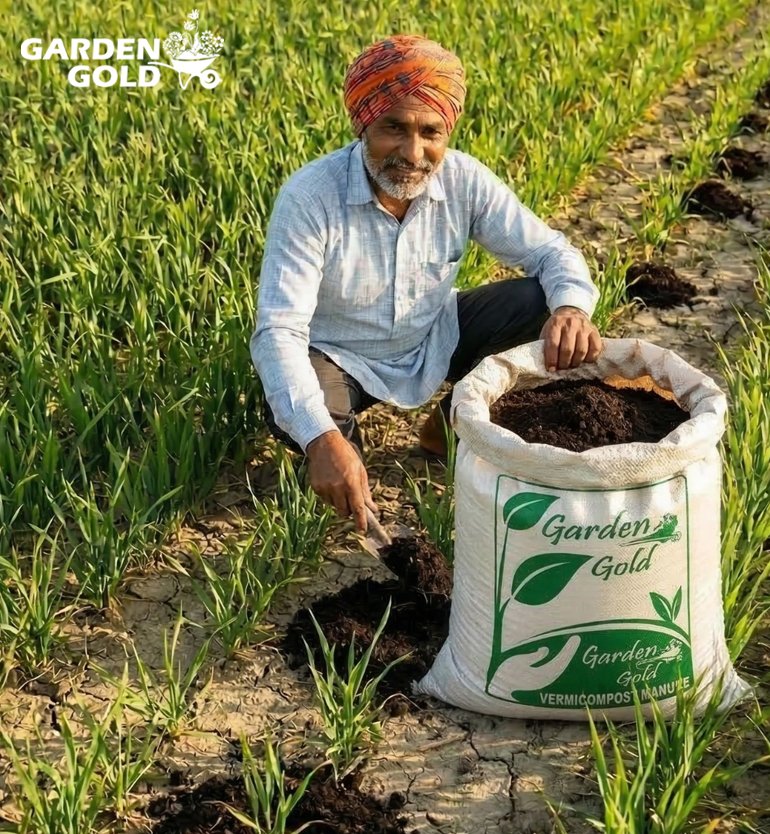
How Much Vermicompost Should You Use for Different Crops? Home / March 20, 2026 vermi_admin Vermicompost fertilizer is widely known as black gold for plants because of its ability to improve soil fertility, enhance root strength, and support sustainable crop production. However, to achieve the best results, it is important to apply the correct amount based on crop type and soil conditions. Using too little may limit plant performance, while excessive use does not necessarily improve growth. The right dosage ensures steady nutrient release and long-term soil health. Now, let’s understand how much vermicompost fertilizer should be used for different crops. Why Proper Vermicompost Fertilizer Dosage Matters Vermicompost fertilizer releases nutrients gradually while improving soil biology. Unlike synthetic fertilizers, it focuses on strengthening the soil ecosystem. Correct application helps: Improve nutrient absorption Encourage deeper root growth Strengthen beneficial soil microbes Enhance moisture retention Maintain consistent crop productivity A balanced application ensures crops receive steady nutrition without stress. Crop-Wise Vermicompost Fertilizer Dosage Guide 1. Field Crops (Wheat, Rice, Maize, Pulses) For large-scale field crops, vermicompost fertilizer works best as a basal application. Recommended dosage: 2 to 3 tons per acre, mixed evenly into the soil during land preparation. For soils low in organic matter, up to 4 tons per acre may be applied. 2. Vegetable Crops Vegetables require higher nutrient support due to rapid growth and fruit production. Basal application: 2 to 3 tons per acre before transplanting. Top dressing:500 kg to 1 ton per acre during flowering or fruiting. For kitchen gardens, apply 200 to 300 grams per plant and lightly mix into the soil. 3. Nursery Plants and Ornamentals For nursery beds and flowering plants: Potted plants: 100 to 250 grams per pot, depending on size. Garden beds: 1 to 2 kg per square meter before planting. Reapply every 30 to 45 days to maintain soil vitality. 4. Lawns and Turf For lawns and landscaping areas: Apply 2-3 kg per 10 square meters.Spread evenly and irrigate lightly afterwards. Repeat every 2 to 3 months during the growing season. If you prefer a quick visual explanation of crop-wise application, you can also watch our short guide here: https://www.instagram.com/p/DKBUyF0hk9C/ Adjusting Quantity Based on Soil Type The amount of vermicompost fertilizer may vary depending on soil conditions: Sandy soils may require slightly higher quantities. Clay soils benefit from moderate application with proper mixing. Fertile loamy soils require a maintenance-level application. Soil testing is recommended for commercial farming to optimize dosage. Common Mistakes to Avoid Applying vermicompost fertilizer without mixing it into the soil Using excessive quantities to expect faster results Skipping regular applications Ignoring irrigation management Moderate, consistent application delivers better long-term results than heavy, one-time use. Conclusion Using the correct amount of vermicompost fertilizer for different crops is essential for maximizing plant growth and maintaining soil health. From field crops and vegetables to fruit trees, nurseries, and lawns, dosage should be tailored to crop type and soil condition. Vermicompost fertilizer strengthens the soil ecosystem rather than just feeding plants. When applied in balanced quantities, it supports sustainable productivity and healthier harvests. Healthy soil today ensures better yields tomorrow. How often should vermicompost fertilizer be applied? For potted plants and garden crops, vermicompost fertilizer can be applied every 30 to 45 days to maintain soil fertility and plant health. Is it possible to overuse vermicompost fertilizer? Although vermicompost fertilizer is organic and safe, excessive application may lead to nutrient imbalance. Moderate and consistent application is recommended. Should vermicompost fertilizer be mixed into the soil? Yes, vermicompost fertilizer should be mixed into the topsoil and followed by light irrigation to improve nutrient absorption and soil conditioning. Previous Post
What is Vermicompost and Why is it Called “Black Gold”?
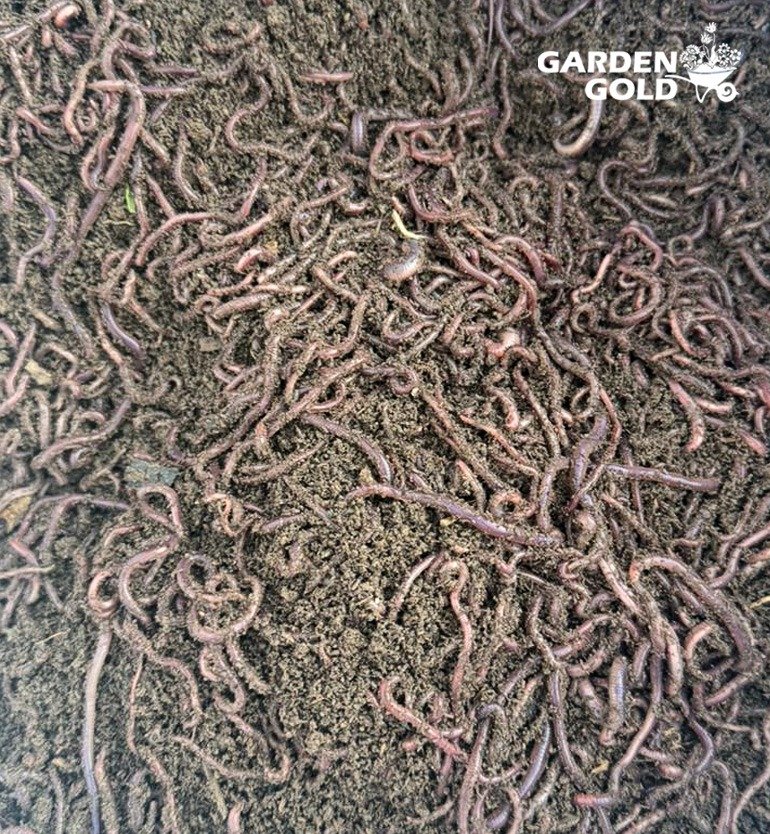
What is Vermicompost and Why is it Called “Black Gold”? Home / March 20, 2026 vermi_admin Healthy soil is the backbone of productive farming and thriving gardens. Among the many organic soil enhancers available today, vermicompost stands out as one of the most powerful and sustainable options. Often referred to as “black gold,” vermicompost has earned this title because of its exceptional value to soil health and plant productivity. But what exactly is vermicompost, and why is it called black gold? Let’s explore. What is Vermicompost? Vermicompost is a nutrient-rich organic fertilizer produced through the natural process of vermicomposting. In this process, earthworms break down biodegradable organic materials such as crop residues, vegetable waste, dry leaves, and farm byproducts. As earthworms digest organic matter, they produce finely processed castings, commonly known as worm casts. These casts form vermicompost – a dark, crumbly, soil-like material packed with essential nutrients and beneficial microorganisms. Compared to traditional compost, vermicompost has a finer texture, is more biologically active, and is readily available for plant uptake. It not only supplies nutrients but also improves soil structure and long-term fertility. Why is Vermicompost Called “Black Gold”? The term “black gold” reflects both appearance and agricultural value. Worm casts are commonly called black gold because they are dark in colour and highly beneficial to soil and crop systems. Vermicompost earns this name due to its powerful combination of properties: 1. Rich in Nutrients Vermicompost contains essential macronutrients such as nitrogen, phosphorus, and potassium, along with important micronutrients. These nutrients are available in plant-ready forms for efficient uptake. 2. Contains Growth-Promoting Substances Research shows that worm castings include natural growth hormones and enzymes that stimulate root development, flowering, and overall plant vigor. 3. Supports Beneficial Soil Microflora Vermicompost enhances soil biology by promoting the growth of beneficial bacteria and fungi. These microorganisms improve nutrient cycling and strengthen soil health. 4. Helps Suppress Pathogenic Microbes One reason vermicompost is valued in sustainable agriculture is its ability to reduce soil-borne diseases by encouraging a balanced microbial ecosystem. 5. Improves Soil Structure and Fertility Its fine texture improves aeration, moisture retention, and root penetration. Over time, repeated application builds long-term soil fertility. Because of these combined advantages, farmers and agricultural experts regard vermicompost as one of the most valuable organic inputs available – hence the name black gold. Vermicompost Production Methodology The quality of vermicompost depends largely on how it is produced. A systematic production method ensures the production of nutrient-rich, biologically active compost. 1. Selection of Organic Raw Materials Biodegradable agricultural waste, such as crop residues, dry leaves, vegetable waste, and farmyard manure, is selected. Materials should be free from plastics, chemicals, and non-degradable substances. 2. Pre-Decomposition Before introducing earthworms, the organic waste is partially decomposed for 10 to 15 days. This reduces heat generated during initial microbial breakdown and creates a suitable environment for worms. 3. Bed Preparation Composting beds are prepared either on the ground or in raised structures. A base layer of coarse materials, such as dry straw or coconut husk, is placed to improve aeration and drainage. 4. Introduction of Earthworms Suitable earthworm species are introduced onto the prepared organic material. These worms feed on the partially decomposed waste and convert it into nutrient-rich castings. 5. Moisture and Shade Management Moisture levels are maintained at approximately 60 to 70 per cent. The beds are protected from direct sunlight and heavy rainfall to create a stable environment for worm activity. 6. Compost Maturation and Harvesting Within 45 to 60 days, the organic waste is converted into fine, dark vermicompost. The compost is separated from worms, sieved if necessary, and stored in cool, shaded conditions to maintain its biological activity. Proper production practices ensure high-quality vermicompost with rich nutrient content and beneficial microbes. The Role of Vermicompost in Soil Regeneration Modern farming practices have reduced organic matter levels in many soils. Excessive use of chemical fertilizers often disrupts soil biodiversity. Vermicompost helps regenerate soil by: Increasing organic carbon content Restoring microbial balance Improving water-holding capacity Supporting long-term fertility Instead of simply feeding crops, vermicompost strengthens the entire soil ecosystem. Vermicompost in Sustainable Agriculture Sustainable agriculture focuses on improving soil health while maintaining productivity. Vermicompost plays a critical role by recycling organic waste into nutrient-rich fertilizer. It promotes: Reduced chemical fertilizer dependency Improved soil biodiversity Balanced nutrient release Long-term crop stability Because nutrients are released gradually, plants grow steadily without nutrient shock or imbalances in growth. More Than Just Fertilizer Vermicompost is not merely decomposed organic waste. It is a biologically active soil conditioner that improves both physical and biological soil properties. By enhancing nutrient availability, increasing beneficial microbes, improving moisture retention, and supporting plant immunity, vermicompost has become a key component of regenerative and organic farming systems. This long-term value is why farmers and gardeners proudly call it black gold. Conclusion So, what is vermicompost, and why is it called black gold? Vermicompost is a nutrient-rich organic fertilizer produced by earthworms, packed with beneficial microbes and natural growth-promoting substances. It improves soil structure, enhances fertility, strengthens plant health, and supports sustainable agriculture. Its dark appearance reflects its rich organic content, while its impact on soil productivity makes it as valuable as gold in agriculture. Healthy soil leads to productive crops, and vermicompost continues to prove why it truly deserves the title of black gold. What is vermicompost? Vermicompost is an organic fertilizer produced when earthworms break down biodegradable waste into nutrient-rich castings. It improves soil fertility and biological activity naturally. Why is vermicompost called black gold? Vermicompost is called black gold because worm castings are dark in color and highly valuable for agriculture. They are rich in nutrients, growth-promoting substances, and beneficial microbes. What nutrients are present in vermicompost? Vermicompost contains nitrogen, phosphorus, potassium, calcium, magnesium, and essential micronutrients in plant-available forms. Previous Post
Top 10 Benefits of Vermicompost for Your Plants
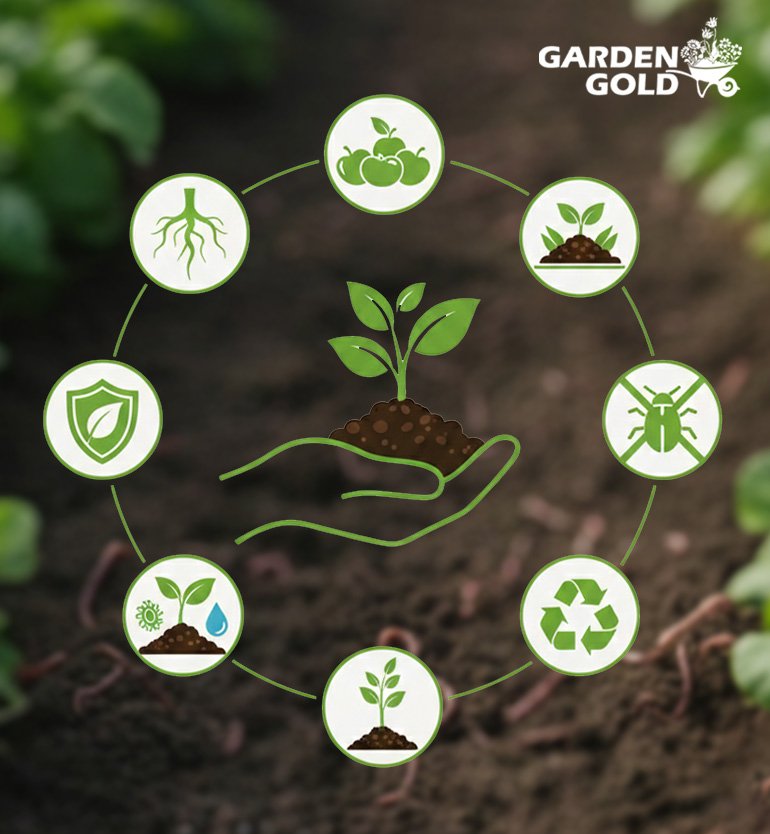
Top 10 Benefits of Vermicompost for Your Plants Home / February 24, 2026 vermi_admin Healthy plants begin with healthy soil. While chemical fertilizers may deliver quick visible results, they often fail to improve long-term soil structure and biological balance. This is where vermicompost stands out as a natural, sustainable, and highly effective solution for plant growth. Vermicompost is an organic manure created through the controlled breakdown of organic matter by earthworms. It is rich in plant-available nutrients, beneficial microbes, enzymes, and organic matter that significantly improve soil fertility and plant performance. Whether you are a farmer, gardener, nursery owner, or landscaper, incorporating high-quality vermicompost into your soil management routine can make a measurable difference. At Garden Gold Organic Manure, vermicompost is produced under carefully managed conditions to ensure maturity, consistency, and nutrient stability, making it suitable for a wide range of agricultural and gardening applications. Let us explore the top 10 benefits of vermicompost for your plants. 1. Improves Soil Structure Vermicompost enhances soil texture by increasing organic matter content. It improves soil aggregation, allowing better root penetration and smoother water movement. In sandy soils, it improves moisture retention, while in clay soils, it enhances aeration and drainage. Consistently processed vermicompost, like that offered by Garden Gold Organic Manure, ensures a uniform texture for easy mixing and effective soil conditioning. 2. Enhances Nutrient Availability One of the key benefits of vermicompost is its naturally balanced nutrient profile. It contains essential macro- and micronutrients, such as nitrogen, phosphorus, potassium, calcium, and magnesium, in forms that plants can absorb efficiently. Nutrients are released gradually, reducing the risk of root burn. 3. Boosts Microbial Activity Vermicompost is biologically active and rich in beneficial microorganisms. These microbes break down organic matter, convert nutrients into plant-available forms, and help suppress harmful soil pathogens. Healthy microbial activity leads to productive and living soil. 4. Improves Water Retention Soil treated with vermicompost retains moisture more effectively. This reduces irrigation frequency and helps plants survive dry conditions. Improved water retention is especially beneficial during summer and in regions with irregular rainfall. 5. Promotes Strong Root Development Healthy roots are the foundation of strong plants. Vermicompost improves soil porosity and oxygen availability, encouraging deeper and stronger root systems. Well-developed roots enhance nutrient uptake and plant stability. 6. Increases Plant Growth and Yield Regular application of vermicompost supports consistent plant growth and often leads to improved flowering and crop yield. Balanced nutrition and better soil conditions contribute to vigorous plant performance. 7. Enhances Resistance to Pests and Diseases The biological compounds and microbes present in vermicompost help strengthen plant immunity. A healthier soil ecosystem reduces the chances of soil-borne diseases and pest-related stress. 8. Reduces Dependence on Chemical Fertilisers Vermicompost provides a natural and reliable source of nutrients, allowing growers to reduce chemical fertilizer usage over time. This not only lowers input costs but also protects soil from long-term chemical damage. 9. Helps Maintain Soil pH Balance Vermicompost contributes to stabilizing soil pH levels. Balanced pH improves nutrient absorption and supports beneficial microbial life. 10. Supports Long-Term Soil Sustainability Unlike synthetic fertilizers that may degrade soil health, vermicompost builds fertility year after year. Continuous use improves soil structure, biological activity, and long-term productivity. How to Use Vermicompost Effectively For best results: Apply 2 to 3 tons per acre for field crops before sowing. Use 100 to 500 grams per pot, depending on plant size. Apply 2 to 3 kg per 10 square meters for lawns. Follow application with light irrigation to activate nutrients. Using a consistent and well-processed product from a trusted source like Garden Gold Organic Manureensures reliable performance across different soil types and crops. Why Vermicompost from Garden Gold Organic Manure Makes a Difference Not all vermicompost products are the same. Quality, maturity, and processing standards directly affect results. Garden Gold Organic Manure focuses on producing stable, nutrient-rich, and mature vermicompost using carefully selected organic inputs and controlled earthworm systems. This commitment to quality ensures: Uniform nutrient distribution High microbial activity Safe and mature compost ready for immediate use Reliable results for farmers, nurseries, and home gardeners Final Thoughts The benefits of vermicompost extend far beyond short-term fertilization. It improves soil life, enhances moisture efficiency, strengthens root systems, and supports sustainable agriculture. By choosing high-quality vermicompost, you are investing in long-term soil health and consistent plant performance. With vermicompost from Garden Gold Organic Manure, you are not just feeding your plants. You are building healthier soil, improving productivity, and supporting sustainable growth for years to come. How often should vermicompost be applied? For field crops, apply before sowing. For gardens and pots, reapply every 30 to 45 days, depending on plant growth and soil condition. Can vermicompost replace chemical fertilizers? It can significantly reduce the need for chemical fertilizers. With regular use, soil fertility improves naturally over time. Is vermicompost safe for all plants? Yes, mature vermicompost is safe for vegetables, fruits, flowers, lawns, and indoor plants due to its slow nutrient release. How do I choose the best organic compost for my potted plants? Choose compost that is mature, odor-free, finely textured, and rich in organic matter. A reliable source like Garden Gold Organic Manure ensures consistent quality and safe use for pots. Previous Post
Why Organic Vermicompost is the Future of Sustainable Agriculture
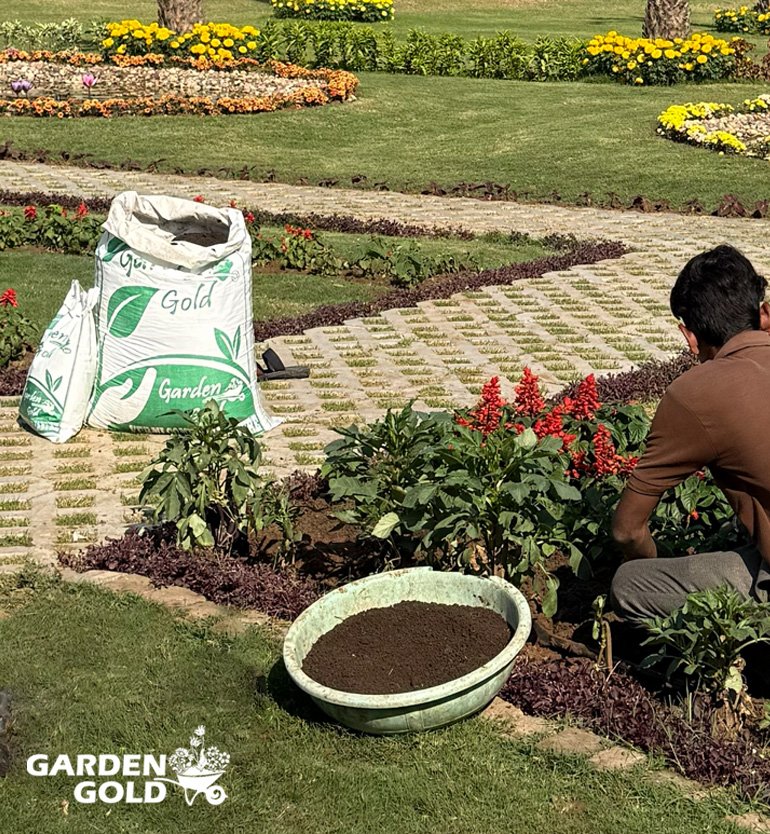
Why Organic Vermicompost is the Future of Sustainable Agriculture Home / February 24, 2026 vermi_admin Agriculture is evolving. For decades, productivity was driven by heavy chemical inputs aimed at maximizing short-term output. While this approach increased yields temporarily, it also caused declining soil fertility, reduced biodiversity, nutrient imbalance, and rising environmental concerns. Today, the focus has shifted from “How much can we produce?” to “How sustainably can we produce it?” In this transition, Organic Vermicompost has emerged as one of the most effective and practical solutions for building regenerative and sustainable farming systems. Organic Vermicompost offers a powerful balance between crop productivity, soil restoration, environmental protection, and long-term profitability. It strengthens the foundation of agriculture by rebuilding soil health rather than exhausting it. The Growing Need for Sustainable Agriculture Modern agriculture faces serious challenges: Declining soil organic carbon levels Reduced microbial activity in farmland Increasing pest and disease resistance Rising fertilizer and input costs Water contamination and soil pollution Excessive dependence on synthetic fertilizers may deliver quick results, but it often damages soil structure and weakens the natural biological ecosystem. Sustainable agriculture focuses on restoring soil vitality, conserving natural resources, and maintaining consistent productivity. This is exactly where Organic Vermicompost plays a transformative role. What Makes Organic Vermicompost Different Organic Vermicompost is produced when earthworms naturally break down organic matter into a nutrient-rich, biologically active soil amendment. The result is not just compost, but a living soil enhancer containing: Balanced macro and micronutrients Humic and fulvic substances Plant growth-promoting compounds Beneficial microorganisms Unlike chemical fertilizers that feed plants directly, Organic Vermicompost feeds the soil ecosystem. It improves soil biology, which in turn supports healthier plant growth. High-quality Organic Vermicompost produced by Garden Gold Organic Manure is processed under controlled conditions to ensure maturity, nutrient stability, and microbial richness. This ensures consistent performance across different soil types and crops. How Organic Vermicompost Restores Soil Health Improves Soil Structure Organic Vermicompost enhances soil aggregation and porosity. Sandy soils retain more moisture, and clay soils become better aerated and easier to manage. Improved structure allows deeper root penetration and better nutrient uptake. Increases Organic Carbon Soil organic carbon is critical for long-term fertility. Organic Vermicompost adds stable organic matter that rebuilds carbon levels and improves soil resilience against erosion and degradation. Boosts Beneficial Microorganisms Healthy soil depends on microbial diversity. Organic Vermicompost introduces beneficial bacteria and fungi that convert nutrients into plant-available forms while suppressing harmful pathogens. Supporting Consistent and Sustainable Crop Productivity Sustainable farming must maintain yield while reducing environmental damage. Organic Vermicompost provides slow-release nutrients that remain available over time, preventing nutrient shock or leaching. Farmers using Organic Vermicompost often observe: Improved seed germination Stronger root development Better flowering and fruiting Enhanced crop quality Stable and consistent yields Because nutrients are released gradually, plants experience balanced growth instead of sudden spikes. Reducing Chemical Dependency and Input Costs One of the strongest advantages of Organic Vermicompost is its ability to reduce reliance on synthetic fertilizers. By improving soil structure and biological activity, it reduces the need for: High nitrogen fertilizer application Chemical soil conditioners Excessive irrigation Lower chemical dependency means lower long-term input costs and improved profitability. Over time, healthier soil requires fewer corrective measures. Environmental Benefits of Organic Vermicompost Sustainable agriculture must protect ecosystems while maintaining production. Organic Vermicompost contributes by: Recycling agricultural and organic waste Minimizing chemical runoff into water bodies Reducing soil pollution Supporting circular farming systems Converting organic waste into valuable soil nutrients, it promotes environmentally responsible farming practices. Strengthening Climate Resilience in Farming Climate unpredictability, including drought and extreme rainfall, is a growing concern. Organic Vermicompost improves soil water-holding capacity while maintaining proper drainage. Healthy soils enriched with Organic Vermicompost are more resistant to: Moisture stress Temperature fluctuations Nutrient loss due to heavy rainfall This resilience makes farming systems more stable and sustainable in changing climate conditions. Practical Application of Organic Vermicompost For best results: Apply 2 to 3 tons per acre for field crops before sowing Use moderate and regular applications rather than heavy doses Combine with crop rotation and organic farming practices Follow the application with light irrigation Using mature and well-processed Organic Vermicompost from reliable producers like Garden Gold Organic Manure ensures uniform nutrient distribution and consistent results. Why Organic Vermicompost Represents the Future The future of agriculture depends on soil regeneration rather than soil exploitation. Organic Vermicompost supports: Long-term soil fertility Balanced nutrient management Reduced environmental impact Sustainable crop productivity Improved farmer profitability It offers a solution that is both environmentally responsible and economically practical. Conclusion Organic Vermicompost is more than an organic fertilizer. It is a foundation for regenerative and sustainable agriculture. By restoring soil biology, improving nutrient cycling, enhancing moisture retention, and reducing chemical dependency, it addresses the core challenges facing modern farming. As agriculture moves toward resilience, regeneration, and environmental responsibility, Organic Vermicompost stands at the center of this transformation. With high-quality, mature Organic Vermicompost from Garden Gold Organic Manure, farmers and growers are not simply feeding crops. They are rebuilding soil ecosystems, protecting natural resources, and investing in a sustainable agricultural future. The future of farming begins with healthy soil, and healthy soil begins with Organic Vermicompost. What is Organic Vermicompost and how is it different from regular compost? Organic Vermicompost is produced through earthworm activity, making it richer in nutrients, beneficial microbes, and growth-promoting compounds compared to traditional compost. How does Organic Vermicompost support sustainable agriculture? It rebuilds soil health, improves organic carbon levels, enhances microbial activity, and reduces dependence on chemical fertilizers, ensuring long-term productivity. Can Organic Vermicompost maintain crop yields? Yes, it provides slow-release nutrients that support steady plant growth, better root development, and consistent yields without harming soil structure. How much Organic Vermicompost should be applied per acre? Generally, 2 to 3 tons per acre before sowing is recommended, followed by light irrigation for nutrient activation. Does Organic Vermicompost help reduce farming input costs? Over time, it reduces the need for synthetic fertilizers, soil conditioners, and excessive irrigation, leading to lower input costs and
Vermicompost for Plants: Summer Care Guide for Healthy Soil and Roots
Vermicompost for Plants: Summer Care Guide for Healthy Soil and Roots Home / January 23, 2026 vermi_admin Summer places intense pressure on soil and plant health. Rising temperatures, rapid moisture loss, and compacted soil often weaken roots and slow plant growth. During these months, the soil needs more than basic nutrition. It needs structure, moisture balance, and biological support. This is where vermicompost for plants becomes an essential part of summer soil care. Vermicompost is a natural organic manure produced through earthworm activity. It enriches soil with nutrients, beneficial microbes, and organic matter that help plants remain resilient under heat stress. When used correctly during summer, vermicompost supports stronger roots, cooler soil conditions, and steady plant growth. Why Vermicompost Matters During Summer Unlike chemical fertilizers that may increase soil temperature and cause nutrient stress, vermicompost works gently and improves soil health over time. Its benefits become more visible during hot weather when soil conditions deteriorate quickly. Vermicompost helps by: Improving moisture retention in dry soils Reducing soil compaction and improving aeration Supporting microbial activity in warm conditions Strengthening root systems against heat stress Enhancing natural resistance to pests and diseases These qualities make vermicompost for plants particularly effective during summer. How Vermicompost Protects Roots in Hot Weather Roots are the first to suffer during summer stress. Hard, dry soil limits oxygen and water movement, leading to weak nutrient absorption. Vermicompost improves soil structure by increasing organic matter and porosity, allowing better airflow and deeper water penetration. The organic content also acts as a natural temperature buffer, reducing heat fluctuations around the root zone and helping plants remain active throughout the season. Summer Care Practices When Using Vermicompost Keep Compost and Soil Cool Vermicompost and worm bins should always be kept in shaded, well-ventilated areas. Direct sunlight can overheat compost, harming beneficial microbes. When applying vermicompost to soil, choose early morning or late evening hours to reduce heat exposure and improve nutrient absorption. Maintain Proper Moisture Levels Soil treated with vermicompost should remain evenly moist, similar to a wrung-out sponge. Summer heat causes moisture to evaporate quickly, so regular monitoring is essential. Avoid overwatering, as waterlogged soil reduces oxygen availability and stresses roots. Use Mulch Along With Vermicompost Covering vermicompost-treated soil with organic mulch helps retain moisture and keeps the soil cooler. Mulch supports soil organisms and reduces quick drying. Dry leaves, straw, grass cuttings, and other garden residues are suitable mulch options. Water at the Right Time Early morning watering reduces evaporation and allows moisture to reach deeper roots. Deep, less frequent watering encourages stronger root development than shallow, daily watering. What to Avoid During Summer Vermicompost Use Avoid Overfeeding Organic Waste For those producing vermicompost, adding too much organic waste can raise temperatures and disrupt worm activity. Meat, dairy, oily food, and cooked waste should be avoided. Stick to vegetable scraps, fruit peels, dry leaves, and paper to maintain a stable compost environment. Avoid Direct Sun Exposure Never leave vermicompost or treated soil exposed to harsh sunlight for extended periods. Excessive heat dries organic matter and reduces microbial effectiveness. Always mix vermicompost into the soil or protect it with mulch. Choosing the Right Vermicompost for Summer Application The performance of vermicompost for plants depends largely on product quality and maturity. Immature or poorly processed vermicompost may retain excess heat or release nutrients unevenly, increasing plant stress during summer. High-quality vermicompost offers: Stable nutrient release without root damage High microbial activity suited for warm soils Improved soil structure and moisture retention Uniform texture for easy application Vermicompost produced by Garden Gold is processed under controlled conditions using quality organic inputs. This ensures a mature, nutrient-rich product that performs consistently even during peak summer temperatures. Best Practices for Applying Vermicompost for Plants in Summer Apply during cooler parts of the day Lightly mix into the soil rather than leaving it exposed Follow the application with gentle watering Use moderate quantities at regular intervals Monitor soil moisture and plant response Key Points to Remember Vermicompost for plants improves soil resilience during summer Balanced moisture is critical for effective results Mulching enhances cooling and moisture retention Product quality plays a major role in summer performance Consistent use supports long-term soil health Building Summer-Resilient Soil Naturally This guide makes vermicompost application simple, practical, and effective for farmers, nursery owners, landscapers, and garden enthusiasts during summer. With proper moisture management, shading practices, and quality selection, vermicompost helps maintain healthier roots and supports stronger plant growth even under heat stress. With vermicompost for plants sourced from reliable producers like Garden Gold, you are not simply nourishing plants. You are improving soil structure, protecting root systems, and building sustainable growth that continues well beyond the summer season. What is vermicompost for plants? Vermicompost for plants is an organic manure made by earthworms that improves soil structure, moisture retention, and nutrient availability. Is vermicompost useful during summer? Yes, vermicompost helps retain moisture, reduce heat stress, and keep roots healthy during summer. How often should vermicompost be applied in summer? Apply vermicompost every 30 to 45 days in moderate quantities for best results. How should vermicompost be stored in summer? Store vermicompost in a cool, shaded, and well-ventilated place. Previous Post
How to Use Vermicompost Organic Manure: A Step-by-Step Guide
How Garden Gold Builds 100% Pure Cow-Dung Vermicompost at 500+ Ton Monthly Scale Home / December 16, 2025 vermi_admin As agriculture moves toward sustainable and chemical-free practices, organic soil nutrition has become essential for long-term productivity. Among all organic inputs, vermicompost stands out for its ability to enrich soil naturally, improve crop performance, and restore soil health over time. Garden Gold has earned trust across the agricultural sector by producing 100 per cent pure cow-dung vermicompost at a large-scale capacity of over 500 tons per month, combining traditional organic principles with scientific process control. Why Cow-Dung Vermicompost Is Considered the Best Vermicompost Cow dung is one of the richest natural organic materials available for composting. When processed by earthworms, it transforms into vermicompost that is rich in plant-available nutrients, beneficial microorganisms, and stable organic carbon. Garden Gold uses only well-sourced cow dung, ensuring the final compost remains free from chemical residues, synthetic additives, and industrial contaminants. This purity plays a critical role in improving soil structure, enhancing microbial activity, and supporting healthy root development. These qualities are why cow-dung-based compost is widely regarded as the best vermicompost for agriculture, horticulture, landscaping, and gardening applications. Input Discipline: The Foundation of Quality Vermicompost Large-scale vermicomposting demands strict control over raw materials. Garden Gold follows disciplined sourcing and preparation practices to maintain compost integrity from the very beginning. Key input practices include: Using only well-aged and uncontaminated cow dung Avoiding chemical residues and non-biodegradable waste Maintaining an ideal carbon-to-nitrogen balance Ensuring consistent moisture levels before composting begins This disciplined approach enables uniform decomposition and prevents quality variations in the final product. Scientifically Managed Vermicomposting Process Producing vermicompost at scale requires precision, consistency, and biological balance. Garden Gold follows a structured and carefully monitored vermicomposting process designed to support earthworm health and efficient organic breakdown. Bedding Preparation Cow dung is partially decomposed before being laid into well-designed vermi beds. This step reduces excess heat and creates a safe, stable environment for earthworms. Earthworm Inoculation Selected species of composting earthworms are introduced into the beds. These worms consume organic matter and convert it into nutrient-rich vermicast, enhancing soil fertility. Moisture and Temperature Control Regular monitoring ensures ideal moisture and temperature conditions, which are critical for sustained earthworm activity and compost quality. Aeration and Maturation Beds are naturally aerated to avoid anaerobic conditions. Over time, the material matures into fine, dark, odour-free vermicompost with high biological activity. This controlled process ensures uniform quality across every batch produced. Systems That Enable 500+ Ton Monthly Production Producing vermicompost at this scale requires more than manpower. Garden Gold has developed a streamlined operational system that allows continuous production without compromising quality. Production is supported by: Multiple large-capacity vermi beds operating simultaneously Covered composting areas to protect against weather fluctuations An organised workflow for feeding, monitoring, and harvesting Trained teams assigned to specific stages of production This structured setup allows Garden Gold to consistently maintain monthly output exceeding 500 tons while ensuring product reliability. Quality Checks and Consistency Assurance Each batch of vermicompost undergoes internal quality checks to meet defined standards for texture, moisture balance, and maturity. This focus on consistency ensures predictable performance for farmers across seasons and crop types. The result is a stable organic input that improves soil fertility without disturbing beneficial soil organisms or microbial balance. Why Choose Garden Gold Vermicompost Garden Gold vermicompost delivers visible and lasting results when applied regularly. Its biological activity supports long-term soil improvement rather than short-term nutrient spikes. Key benefits include: Improved soil porosity and structure Better root development and nutrient uptake Enhanced water-holding capacity Increased microbial life in soil Reduced dependence on chemical fertilisers These advantages make it suitable for field crops, plantations, horticulture, nurseries, and landscaping applications. Conclusion Garden Gold’s ability to produce 100 per cent pure cow-dung vermicompost at a scale of over 500 tons per month is the result of disciplined sourcing, scientifically managed composting methods, strong infrastructure, and strict quality control. By prioritising purity and process over shortcuts, Garden Gold delivers a product that truly qualifies as the best vermicompost for modern agriculture. For farmers, growers, and bulk buyers seeking reliable organic nutrition that improves soil health and crop productivity, Garden Gold vermicompost offers a dependable and scalable solution for sustainable farming. Previous Post
How Garden Gold Builds 100% Pure Cow-Dung Vermicompost at 500+ Ton Monthly Scale
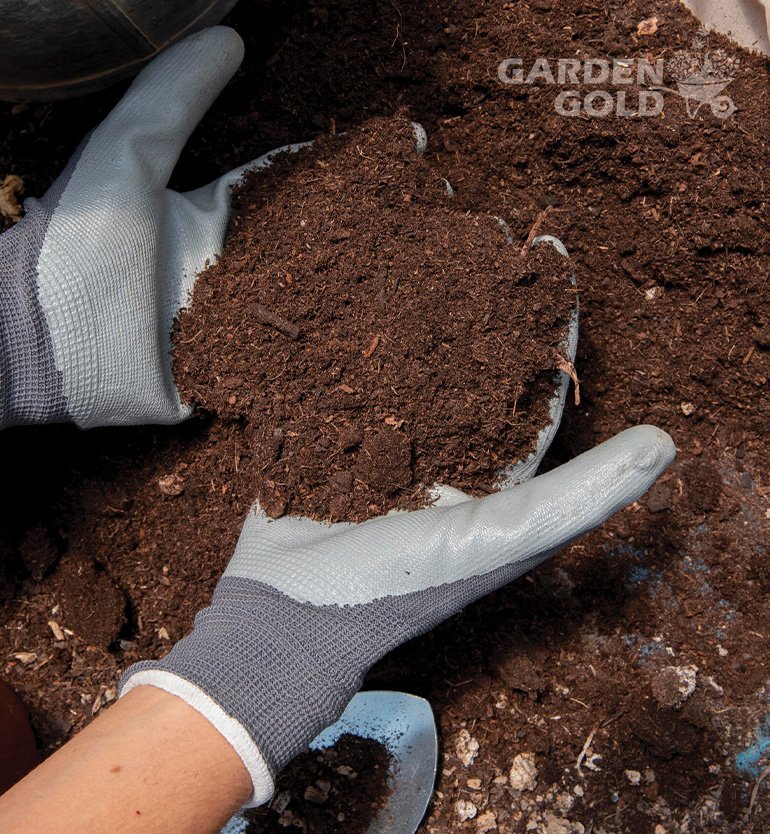
How Garden Gold Builds 100% Pure Cow-Dung Vermicompost at 500+ Ton Monthly Scale Home / December 16, 2025 vermi_admin As agriculture moves toward sustainable and chemical-free practices, organic soil nutrition has become essential for long-term productivity. Among all organic inputs, vermicompost stands out for its ability to enrich soil naturally, improve crop performance, and restore soil health over time. Garden Gold has earned trust across the agricultural sector by producing 100 per cent pure cow-dung vermicompost at a large-scale capacity of over 500 tons per month, combining traditional organic principles with scientific process control. Why Cow-Dung Vermicompost Is Considered the Best Vermicompost Cow dung is one of the richest natural organic materials available for composting. When processed by earthworms, it transforms into vermicompost that is rich in plant-available nutrients, beneficial microorganisms, and stable organic carbon. Garden Gold uses only well-sourced cow dung, ensuring the final compost remains free from chemical residues, synthetic additives, and industrial contaminants. This purity plays a critical role in improving soil structure, enhancing microbial activity, and supporting healthy root development. These qualities are why cow-dung-based compost is widely regarded as the best vermicompost for agriculture, horticulture, landscaping, and gardening applications. Input Discipline: The Foundation of Quality Vermicompost Large-scale vermicomposting demands strict control over raw materials. Garden Gold follows disciplined sourcing and preparation practices to maintain compost integrity from the very beginning. Key input practices include: Using only well-aged and uncontaminated cow dung Avoiding chemical residues and non-biodegradable waste Maintaining an ideal carbon-to-nitrogen balance Ensuring consistent moisture levels before composting begins This disciplined approach enables uniform decomposition and prevents quality variations in the final product. Scientifically Managed Vermicomposting Process Producing vermicompost at scale requires precision, consistency, and biological balance. Garden Gold follows a structured and carefully monitored vermicomposting process designed to support earthworm health and efficient organic breakdown. Bedding Preparation Cow dung is partially decomposed before being laid into well-designed vermi beds. This step reduces excess heat and creates a safe, stable environment for earthworms. Earthworm Inoculation Selected species of composting earthworms are introduced into the beds. These worms consume organic matter and convert it into nutrient-rich vermicast, enhancing soil fertility. Moisture and Temperature Control Regular monitoring ensures ideal moisture and temperature conditions, which are critical for sustained earthworm activity and compost quality. Aeration and Maturation Beds are naturally aerated to avoid anaerobic conditions. Over time, the material matures into fine, dark, odour-free vermicompost with high biological activity. This controlled process ensures uniform quality across every batch produced. Systems That Enable 500+ Ton Monthly Production Producing vermicompost at this scale requires more than manpower. Garden Gold has developed a streamlined operational system that allows continuous production without compromising quality. Production is supported by: Multiple large-capacity vermi beds operating simultaneously Covered composting areas to protect against weather fluctuations An organised workflow for feeding, monitoring, and harvesting Trained teams assigned to specific stages of production This structured setup allows Garden Gold to consistently maintain monthly output exceeding 500 tons while ensuring product reliability. Quality Checks and Consistency Assurance Each batch of vermicompost undergoes internal quality checks to meet defined standards for texture, moisture balance, and maturity. This focus on consistency ensures predictable performance for farmers across seasons and crop types. The result is a stable organic input that improves soil fertility without disturbing beneficial soil organisms or microbial balance. Why Choose Garden Gold Vermicompost Garden Gold vermicompost delivers visible and lasting results when applied regularly. Its biological activity supports long-term soil improvement rather than short-term nutrient spikes. Key benefits include: Improved soil porosity and structure Better root development and nutrient uptake Enhanced water-holding capacity Increased microbial life in soil Reduced dependence on chemical fertilisers These advantages make it suitable for field crops, plantations, horticulture, nurseries, and landscaping applications. Conclusion Garden Gold’s ability to produce 100 per cent pure cow-dung vermicompost at a scale of over 500 tons per month is the result of disciplined sourcing, scientifically managed composting methods, strong infrastructure, and strict quality control. By prioritising purity and process over shortcuts, Garden Gold delivers a product that truly qualifies as the best vermicompost for modern agriculture. For farmers, growers, and bulk buyers seeking reliable organic nutrition that improves soil health and crop productivity, Garden Gold vermicompost offers a dependable and scalable solution for sustainable farming. Previous Post
Best Organic Manure for Winter Crops and Vegetables
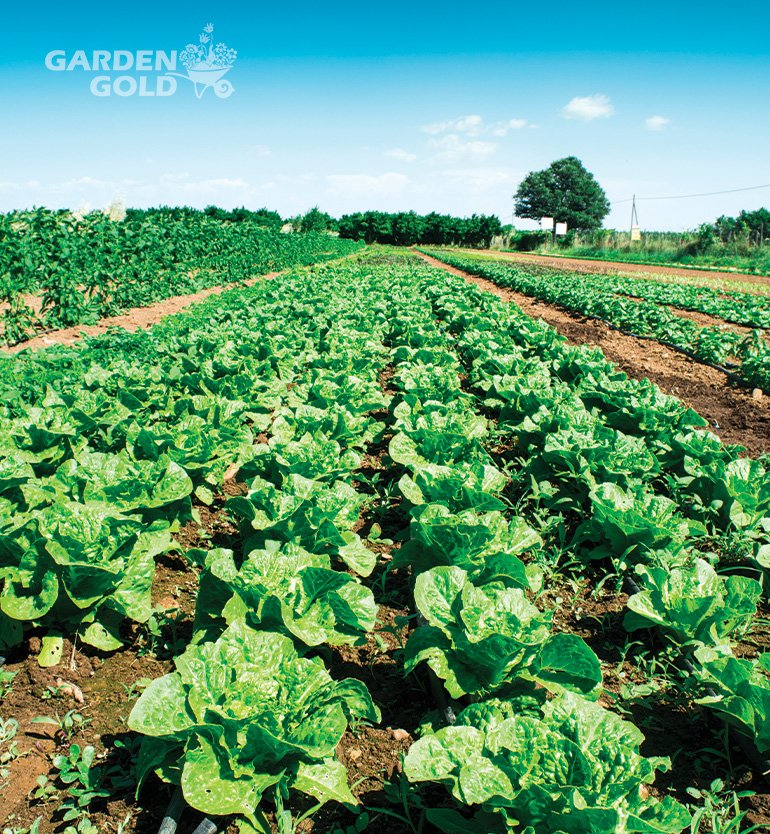
Best Organic Manure for Winter Crops and Vegetables Home / December 16, 2025 vermi_admin Winter is one of the most productive seasons for growing fresh, nutritious vegetables. The stable climate supports crops such as spinach, cauliflower, cabbage, peas, carrots, radish, broccoli, and fenugreek. But for these crops to grow strong and healthy, the soil needs the proper nourishment. Among all the options available today, organic manure for winter crops is considered one of the most effective and trusted solutions for farmers, gardeners, and greenhouse growers. Understanding the Needs of Winter Vegetables Winter vegetables grow in colder soil temperatures and shorter daylight hours. This means they need steady moisture, balanced nutrition, and healthy soil structure to thrive. While chemical fertilisers may give quick results, they often weaken the soil over time. Organic manure, on the other hand, enriches the soil naturally and supports consistent, long-term growth throughout the season. Benefits of Using Organic Manure for Winter Crops Better Soil AerationOrganic manure loosens compact soil and improves air circulation around the roots. Root vegetables like carrots and radish grow best in loose, well-aerated soil. Steady Nutrient SupplyOrganic manure breaks down slowly and releases nutrients at a balanced rate. This helps winter crops maintain healthy growth even during colder days. Improved Water RetentionDry winter air can cause moisture loss in soil. Organic manure improves water-holding capacity, reducing the need for frequent watering and preventing nutrient leaching. Boosts Soil MicroorganismsHealthy soil depends on beneficial microbes. Organic manure promotes microbial activity, helping plants absorb nutrients more efficiently. Best Type of Organic Manure for Winter Crops Vermicompost is one of the most recommended choices for winter vegetables. It is rich in essential nutrients like nitrogen, potassium, phosphorus, and trace minerals. Vermicompost has a soft, crumbly texture and a pleasant earthy smell, and it improves plant health quickly and naturally. Benefits of Using Vermicompost Increases nutrient availability. Improves seed germination. Enhances crop colour, size, and taste. Safe for organic and chemical-free farming. How to Use Organic Manure for Winter Crops Apply organic manure before sowing winter crop seeds. Mix 2 to 4 kg of vermicompost into the topsoil per square meter. Add additional manure during mid-season growth for healthier crops. Use as a top dressing around established plants to boost nutrient intake. Best Winter Vegetables to Grow with Organic Manure Cabbage Cauliflower Spinach Peas Carrots Radish Beetroot Spring onions These vegetables respond exceptionally well to organic manure for winter crops, resulting in stronger growth, better yield, and improved taste. Final Thoughts Using organic manure for winter crops is one of the most intelligent choices for anyone who wants healthier soil, higher yield, and chemical-free vegetables. Whether you are growing crops on a farm, a kitchen garden, or a greenhouse, organic manure provides the essential nourishment your winter vegetables need to thrive. For high-quality, reliable, nutrient-rich options, explore premium vermicompost and organic soil boosters from Garden Gold Vermicompost to give your winter crops the perfect start. FAQs Why is organic manure necessary for winter crops? Organic manure improves soil health, retains moisture, and provides steady nutrients needed for healthy growth in cold conditions. Which organic manure is best for winter vegetables? Vermicompost is ideal as it is rich in nutrients, easy to absorb, and safe for chemical-free winter farming. How often should organic manure be applied during winter? Apply before sowing and once again during mid-season growth for consistent nutrition. Can organic manure be used for kitchen gardens and greenhouses? Yes, organic manure is suitable for farms, home gardens, and greenhouse cultivation. Previous PostNext Post
Garden Gold Organic Manure: 15 Years of Trusted Vermicompost Manufacturing in Gujarat
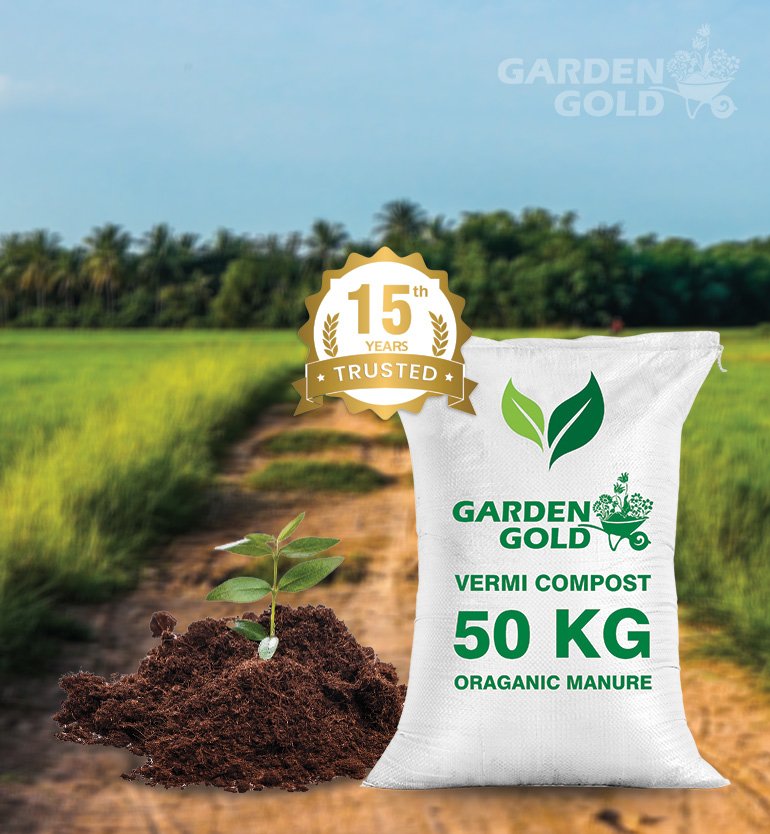
Garden Gold Organic Manure: 15 Years of Trusted Vermicompost Manufacturing in Gujarat Home / November 25, 2025 vermi_admin Garden Gold Organic Manure has been one of Gujarat’s most trusted vermicompost manufacturers for the last 15 years. With a six-vigha production farm and a capacity of over 500 tonnes every month, we supply high-quality compost to farmers, nurseries, landscapers, architects, organic growers, real estate developers and many other sectors across the state. Our approach has always been simplePure Inputs → Scientific Process → Consistent Quality → Timely Service 1. What Makes Garden Gold Different We use only pure cow dung. Nothing else.Every batch is processed scientifically to maintain uniform texture, high nutrient levels and strong microbial activity. For faster composting, we use the globally recognised Eisenia Fetida earthworm species. These worms offer• High compost conversion• Rich nutrient profile• Excellent humus content• Odourless, black granular output This results in vermicompost that is• Highly porous• Rich in NPK and micronutrients• Great for root growth• Suitable for sandy, clay and alkaline soils 2. Large Production Capacity for Bulk Requirements Our six-vigha farm is designed for continuous production with• Row-wise vermi beds• Dedicated curing and processing zones• Clean, well-maintained environment• Shade structures and water facilities for worm protection With a capacity of 500 plus tonnes a month, we efficiently supply• Plantations• Commercial nurseries• Government projects• Municipal landscaping• Organic farms• Corporate farming• Construction and greenbelt projects 3. Quality that Shows in Every Bag We pack our vermicompost in: 5 kg For home gardens and nurseries 25 kg Ideal for landscapers and contractors 50 kg The preferred choice for farmers and bulk buyers All bags are moisture-resistant, durable, well labelled and weight-verified.We also offer OEM and white-label packaging across Gujarat, Maharashtra, and Rajasthan. 4. Who We Serve Over the years, Garden Gold has become a trusted name for:• Garden nurseries• Landscapers and architects• Agriculture retailers and distributors• Real estate and construction companies• Organic farmers and horticulture growers• NGOs, institutions and government plantation projects Clients appreciate us for consistent quality, no adulteration, smooth communication and reliable long-term supply. 5. Transparent and Scientific Process Visitors are welcome to see our production process, which includes: Fresh cow dung collection and pre-decomposition Preparing uniform, aerated vermi beds Introducing Eisenia Fetida worms A controlled 40 to 60-day composting cycle Sieving to get clean and fine granules Packing, stitching and dispatch 6. Service You Can Rely On We ensure• Transport across Gujarat• Same or next day dispatch• Bulk bookings• Hassle-free loading Our logistics network is planned to deliver on time, especially during peak planting seasons. 7. Why Garden Gold is Trusted for 15 Plus Years • 500 plus tonnes monthly capacity• Pure cow dung, no mixing• Scientific and clean production• Six vigha dedicated farm• Premium Eisenia Foetida worms• 5 kg, 25 kg, 50 kg packaging• OEM and white label options• Wide distributor network• Transparent and timely service Conclusion If you need vermicompost that delivers consistent performance, Garden Gold Organic Manure is the dependable choice. For farmers, nurseries, landscapers, architects, and contractors across Gujarat, our vermicompost stands for purity, reliability, and quality that truly make a difference. Previous PostNext Post
Common Winter Plant Diseases and How to Prevent Them

Common Winter Plant Diseases and How to Prevent Them Home / November 25, 2025 vermi_admin Winter brings cooler temperatures, shorter days, and increased moisture. While this season feels calm on the surface, it often creates ideal conditions for Winter Plant Diseases to spread quietly. Plants slow down during winter, their immunity drops, and even small issues can turn into bigger infections if not handled early. Understanding these common diseases and knowing how to prevent them can help you protect your plants throughout the season. Fungal Blight Fungal blight is one of the most common issues seen in winter. It causes dark patches on leaves and stems, eventually leading to premature leaf fall. Since winter air holds more moisture and sunlight is limited, fungi thrive and spread quickly. Prevention:Remove dead leaves, avoid splashing water on foliage, and improve ventilation around the plants. Soil enriched with organic manure helps strengthen plant immunity against blight. Downy Mildew This disease appears as pale or yellowish spots on the upper leaf surface and a fuzzy growth beneath. Cold nights and damp mornings create a perfect environment for downy mildew, making many winter plants especially vulnerable. Prevention:Water early in the day, avoid overcrowding, and use raised beds if your soil stays damp for long periods. Healthy compost helps plants naturally resist mildew. Root and Stem Rot Among all Winter Plant Diseases, root and stem rot can be the most damaging. When the soil remains wet for too long, harmful fungi begin attacking the root system. Since plant growth slows in winter, they cannot recover quickly. Prevention:Ensure proper drainage, reduce watering frequency, and use well-aerated soil. Mixing vermicompost improves soil texture and encourages beneficial organisms that fight harmful pathogens. Black Spot Black spot causes round, dark blotches on leaves and can spread rapidly in cold, humid weather. Plants in shaded areas or those exposed to frequent dew are at the highest risk. Prevention:Keep leaves dry, prune infected sections, and maintain proper spacing to allow air to circulate freely. Soil enriched with organic nutrients helps plants grow stronger and become less prone to infections. Botrytis (Winter Mould) Winter mould affects flowers, fruits, and leafy plants, covering them with grey fungal spores. It commonly spreads when sunlight is limited, and humidity remains high. Prevention:Clean up decaying debris, remove faded flowers, and ensure plants receive sunlight even on shorter winter days. Mulching with healthy organic matter prevents spores from reaching plant surfaces. Boost Plant Immunity with Rich Organic Soil Winter can weaken plant metabolism, but strong soil can compensate. Plants grown in nutrient-rich, biologically active soil naturally resist infections better. Organic matter supports beneficial microbes that help control harmful pathogens. By improving soil health, you reduce the chances of Winter Plant Diseases taking over your garden. Vermicompost is one of the best ways to strengthen your soil during cold seasons. It enhances moisture balance, improves soil structure, and supports microorganisms that protect roots from fungal attacks. Why Choose Vermi-Compost Products for Winter Care The organic solutions available at vermi-compost are designed to boost soil fertility, improve root health, and help plants fight seasonal stress. Whether you grow vegetables, ornamentals, or fruit plants, adding vermicompost provides long-term protection that chemical fertilizers cannot. Healthy soil means stronger plants, fewer diseases, and better winter survival. Winter Care Made Simple Winter plant care requires awareness, prevention, and strong soil health. By understanding these common Winter Plant Diseases and improving soil quality with natural inputs like vermicompost, you can ensure your plants stay healthy and resilient throughout the season.
