
How Drip Irrigation Can Be Useful for a Vermicompost Plant
How Drip Irrigation Can Be Useful for a Vermicompost Plant Home / August 28, 2025 vermi_admin Whether you’re a plant nursery owner nurturing hundreds of saplings or a landscaper working to turn barren land into lush green spaces, the health of your plants begins in the soil. And when it comes to enriching that soil naturally, nothing matches the effectiveness of vermicompost organic manure. This all-natural, earthworm-processed compost is not just a sustainable solution, it’s a plant-boosting powerhouse trusted by professionals across Gujarat and beyond. Why Use Drip Irrigation for Vermicompost Plants? How It Works in a Vermicompost Setup Product Choices for Drip Irrigation There are various drip irrigation options available in the market.One popular choice among farmers is Netafim Drip Irrigation, known for its: Durable dripperlines Uniform water flow Reliable filtration and valve systems Other brands and locally available drip systems can also be considered based on budget and scale. Tips for Using Drip in Vermicomposting Frequency: Water 1–3 times daily, depending on season (short cycles). Moisture Test: Compost should feel like a wrung-out sponge. Summer Cooling: Use light, frequent watering to reduce bed temperature. Optional Automation: For large-scale units, digital farming solutions can automate moisture control for hassle-free operation. Conclusion Whether you are managing a small-scale unit or a commercial vermicompost plant, installing a drip irrigation system can make your work easier, save water, and improve compost quality.Netafim drip irrigation is one of the trusted solutions you can explore, along with other reliable systems available in the market. With the right setup, your vermicompost plant will be more productive, efficient, and sustainable. Previous PostNext Post
Why Farmers Prefer Vermicompost in Organic Farming
Why Farmers Prefer Vermicompost in Organic Farming Home /
Why Vermicompost Organic Manure is a Must for Your Plants
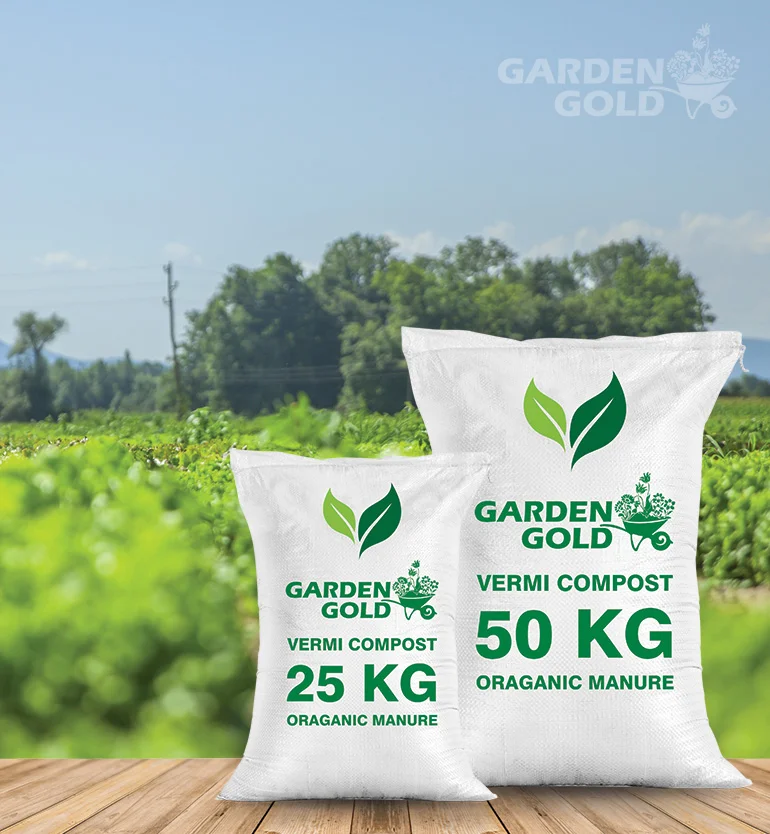
Why Vermicompost Organic Manure is a Must for Your Plants Home / July 24, 2025 vermi_admin Whether you’re a plant nursery owner nurturing hundreds of saplings or a landscaper working to turn barren land into lush green spaces, the health of your plants begins in the soil. And when it comes to enriching that soil naturally, nothing matches the effectiveness of vermicompost organic manure. This all-natural, earthworm-processed compost is not just a sustainable solution, it’s a plant-boosting powerhouse trusted by professionals across Gujarat and beyond. What is Vermicompost Organic Manure? Vermicompost organic manure is a nutrient-rich, finely textured compost produced through the digestion of organic matter by earthworms, especially species like Eisenia fetida. The result is a dark, crumbly substance that improves soil health, boosts microbial activity, and nourishes your plants from the roots up. Why Nursery Owners Prefer Vermicompost For plant nursery owners, every seedling counts. Poor-quality soil can stunt growth or cause transplant shock. That’s where vermicompost organic manure makes a real difference. Key Benefits for Nurseries: Why Landscapers Rely on Vermicompost Landscaping projects often demand long-term plant health and minimal maintenance. Using chemical fertilizers may offer short-term results, but they can degrade soil quality over time. In contrast, vermicompost builds up the soil and sustains plant life for months. Ideal for Landscaping Because It: Nutrient Composition That Matters Vermicompost is packed with: These elements work together to improve plant immunity, resilience, and productivity naturally. Bulk Application Made Easy We offer vermicompost organic manure in bulk packaging of 5kg, 25kg and 50kg, making it cost-effective for commercial use. Conclusion If you’re looking to: Reduce dependence on chemical fertilizers Improve plant health from the root up Add long-lasting fertility to your soil Increase ROI from every planting cycle Then vermicompost organic manure is not just a good option, it’s the best one. Start small, grow smarter, and give your plants the nourishment they deserve. Looking to order bulk vermicompost organic manure for your nursery or landscaping project?Send your required quantity on our WhatsApp number: +91 9426567778 with your location to get a quote. Previous PostNext Post
How can vermicompost fertilizer unlock organic and sustainable farming?
How can vermicompost fertilizer unlock organic and sustainable farming? Home / June 20, 2025 vermi_admin Today, more farmers and gardeners are moving towards organic methods to grow crops and care for the soil. One of the best solutions in this green movement is vermicompost fertilizer. Made from the natural process of earthworm digestion, this organic material is more than just compost, it’s a powerful soil booster that supports both plant health and the environment. What Makes Vermicompost Fertilizer Special? Unlike chemical fertilizers that work fast but harm the soil over time, vermicompost works gently and naturally. It is made by feeding kitchen and garden waste to earthworms. The result? Rich, dark compost full of nutrients, helpful plant microbiome, and natural plant growth hormones. Some key benefits include: How It Supports Organic Farming For organic farming, keeping the soil healthy is very important. That’s where this natural fertilizer plays a major role. It helps: With regular use, it becomes easier to grow stronger, greener crops in a sustainable way. Why It’s a Game-Changer Let’s look at why this natural product is becoming popular among organic growers: Easy Ways to Use It No matter the size of your garden or farm, it’s easy to use. Here’s how: Soil Mix: Add to potting soil before planting seeds or plants. Top Dressing: Spread around plants every 3–4 weeks. Liquid Compost: Soak a handful in water overnight and pour it on your plants the next day. These simple steps help make your soil richer and your plants stronger. Still if you need a guide, we have a dedicated blog on Problem-Solving Guide for Gardeners, Farmers, and Nursery Caretaker. Looking Ahead: A Greener Future Using vermicompost fertilizer is a smart step toward a healthier planet. It’s not just about better harvests, it’s about caring for the earth. This method turns waste into valuable compost, reduces harmful chemicals, and supports local farming communities. onclusion If you want to grow healthy plants while protecting nature, this is the perfect solution. From small gardens to big farms, anyone can benefit from this natural fertilizer. Visit Garden Gold to find high-quality vermicompost made for eco-conscious farmers and gardeners. Make the switch today, because healthy soil is the first step toward a better tomorrow. Previous PostNext Post
How to Choose the Perfect Fertilizer: A Guide for Gardeners

How to Choose the Perfect Fertilizer: A Guide for Gardeners Home / June 26, 2024 vermi_admin Every gardener wants healthy plants, colorful flowers, and big harvests. To make that happen, your plants need the right food and that’s where fertilizers comes in. But with so many options available, it can be hard to know which one to choose. In this simple guide, we’ll explain what fertilizer does, the different types available, and how you can pick the best one for your garden. With the right choice, your plants will grow better, faster, and stronger. Why Fertilizer is Important Soil doesn’t always have everything your plants need. As plants grow, they take nutrients from the soil, and over time, the soil can become poor. Fertilizer adds those nutrients back, helping your plants stay healthy. Fertilizer can help by: Making plants grow faster and bigger Helping flowers bloom more Improving fruit and vegetable size and taste Making plants stronger against bugs and disease Types of Fertilizer: What You Need to Know There are two main types of fertilizer: natural and chemical. Both can help your plants, but they work in different ways. 1. Natural Fertilizer (Organic) These come from plants, animals, or minerals. Examples include compost, vermicompost, cow dung, and bone meal. They release nutrients slowly and also improve the soil over time. Best for: Home gardens Vegetable patches Long-term soil health 2. Chemical Fertilizer (Synthetic) These are made in factories and give nutrients quickly. They are strong and act fast but can harm the soil if used too much. Best for: Quick plant growth Large farms Fixing nutrient shortages fast If you care about the environment or grow food at home, natural fertilizers are usually a better choice. How to Choose the Best Fertilizer To make the right choice, consider these four things: Check Your Soil Do a simple soil test or observe how your plants are doing. If they look weak or yellow, the soil may be missing something. Read the N-P-K Numbers Fertilizer bags show three numbers like 10-10-10. These stand for: N = Nitrogen (for green leaves) P = Phosphorus (for roots and flowers) K = Potassium (for overall strength) Different plants need different amounts of each, so choose based on what you’re growing. Match with Your Plants For leafy vegetables like spinach, choose high nitrogen. For flowers, go for more phosphorus. Fruits need potassium to grow better. Choose the Right Form Fertilizers come in powder, pellets, or liquid. Liquid works fast and is great for small gardens. Granules last longer and are good for large areas. Slow-release types feed your plants over time with less work. Tips for Using Fertilizer the Right Way Water the soil before and after using fertilizer. Don’t use it on very hot days. Follow the instructions on the pack, more is not always better. Apply during the growing season, usually spring and summer. Conclusion: Feed Your Garden the Right Way Using the right fertilizer helps your garden stay green, healthy, and full of life. By knowing what your soil needs, understanding the different types, and choosing the right mix, you’ll make your plants stronger and your garden more beautiful. If you want a simple and eco-friendly choice, try using natural options like compost or vermicompost. These not only feed your plants but also improve your soil for the future. With just a little care and the right approach, your garden can thrive all season long.
