
Common Winter Plant Diseases and How to Prevent Them

Common Winter Plant Diseases and How to Prevent Them Home / November 25, 2025 vermi_admin Winter brings cooler temperatures, shorter days, and increased moisture. While this season feels calm on the surface, it often creates ideal conditions for Winter Plant Diseases to spread quietly. Plants slow down during winter, their immunity drops, and even small issues can turn into bigger infections if not handled early. Understanding these common diseases and knowing how to prevent them can help you protect your plants throughout the season. Fungal Blight Fungal blight is one of the most common issues seen in winter. It causes dark patches on leaves and stems, eventually leading to premature leaf fall. Since winter air holds more moisture and sunlight is limited, fungi thrive and spread quickly. Prevention:Remove dead leaves, avoid splashing water on foliage, and improve ventilation around the plants. Soil enriched with organic manure helps strengthen plant immunity against blight. Downy Mildew This disease appears as pale or yellowish spots on the upper leaf surface and a fuzzy growth beneath. Cold nights and damp mornings create a perfect environment for downy mildew, making many winter plants especially vulnerable. Prevention:Water early in the day, avoid overcrowding, and use raised beds if your soil stays damp for long periods. Healthy compost helps plants naturally resist mildew. Root and Stem Rot Among all Winter Plant Diseases, root and stem rot can be the most damaging. When the soil remains wet for too long, harmful fungi begin attacking the root system. Since plant growth slows in winter, they cannot recover quickly. Prevention:Ensure proper drainage, reduce watering frequency, and use well-aerated soil. Mixing vermicompost improves soil texture and encourages beneficial organisms that fight harmful pathogens. Black Spot Black spot causes round, dark blotches on leaves and can spread rapidly in cold, humid weather. Plants in shaded areas or those exposed to frequent dew are at the highest risk. Prevention:Keep leaves dry, prune infected sections, and maintain proper spacing to allow air to circulate freely. Soil enriched with organic nutrients helps plants grow stronger and become less prone to infections. Botrytis (Winter Mould) Winter mould affects flowers, fruits, and leafy plants, covering them with grey fungal spores. It commonly spreads when sunlight is limited, and humidity remains high. Prevention:Clean up decaying debris, remove faded flowers, and ensure plants receive sunlight even on shorter winter days. Mulching with healthy organic matter prevents spores from reaching plant surfaces. Boost Plant Immunity with Rich Organic Soil Winter can weaken plant metabolism, but strong soil can compensate. Plants grown in nutrient-rich, biologically active soil naturally resist infections better. Organic matter supports beneficial microbes that help control harmful pathogens. By improving soil health, you reduce the chances of Winter Plant Diseases taking over your garden. Vermicompost is one of the best ways to strengthen your soil during cold seasons. It enhances moisture balance, improves soil structure, and supports microorganisms that protect roots from fungal attacks. Why Choose Vermi-Compost Products for Winter Care The organic solutions available at vermi-compost are designed to boost soil fertility, improve root health, and help plants fight seasonal stress. Whether you grow vegetables, ornamentals, or fruit plants, adding vermicompost provides long-term protection that chemical fertilizers cannot. Healthy soil means stronger plants, fewer diseases, and better winter survival. Winter Care Made Simple Winter plant care requires awareness, prevention, and strong soil health. By understanding these common Winter Plant Diseases and improving soil quality with natural inputs like vermicompost, you can ensure your plants stay healthy and resilient throughout the season.
How can vermicompost fertilizer unlock organic and sustainable farming?
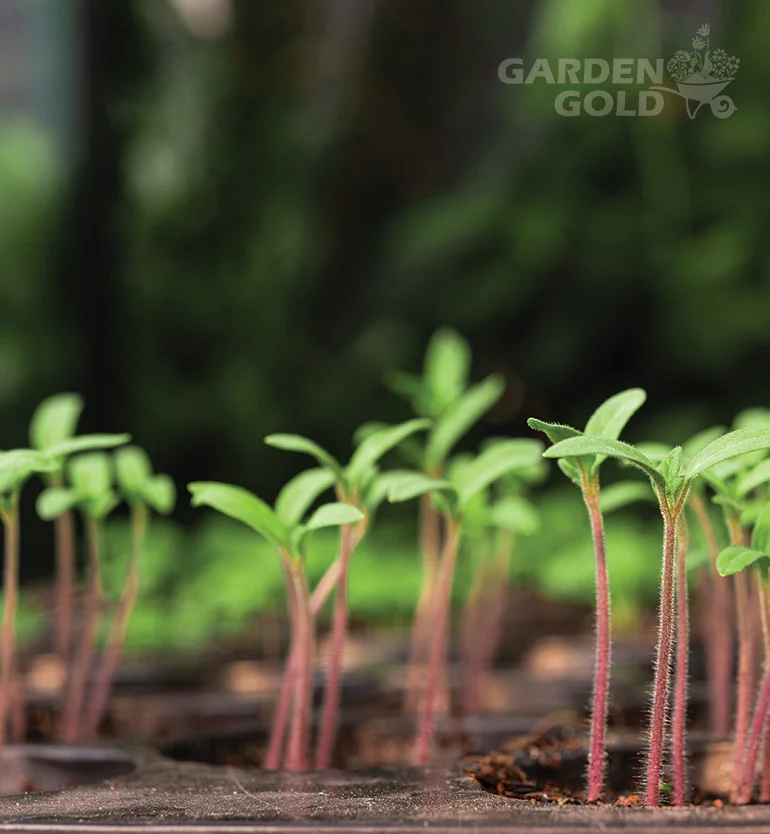
How can vermicompost fertilizer unlock organic and sustainable farming? Home / June 20, 2025 vermi_admin Today, more farmers and gardeners are moving towards organic methods to grow crops and care for the soil. One of the best solutions in this green movement is vermicompost fertilizer. Made from the natural process of earthworm digestion, this organic material is more than just compost, it’s a powerful soil booster that supports both plant health and the environment. What Makes Vermicompost Fertilizer Special? Unlike chemical fertilizers that work fast but harm the soil over time, vermicompost works gently and naturally. It is made by feeding kitchen and garden waste to earthworms. The result? Rich, dark compost full of nutrients, helpful plant microbiome, and natural plant growth hormones. Some key benefits include: How It Supports Organic Farming For organic farming, keeping the soil healthy is very important. That’s where this natural fertilizer plays a major role. It helps: With regular use, it becomes easier to grow stronger, greener crops in a sustainable way. Why It’s a Game-Changer Let’s look at why this natural product is becoming popular among organic growers: Easy Ways to Use It No matter the size of your garden or farm, it’s easy to use. Here’s how: Soil Mix: Add to potting soil before planting seeds or plants. Top Dressing: Spread around plants every 3–4 weeks. Liquid Compost: Soak a handful in water overnight and pour it on your plants the next day. These simple steps help make your soil richer and your plants stronger. Still if you need a guide, we have a dedicated blog on Problem-Solving Guide for Gardeners, Farmers, and Nursery Caretaker. Looking Ahead: A Greener Future Using vermicompost fertilizer is a smart step toward a healthier planet. It’s not just about better harvests, it’s about caring for the earth. This method turns waste into valuable compost, reduces harmful chemicals, and supports local farming communities. onclusion If you want to grow healthy plants while protecting nature, this is the perfect solution. From small gardens to big farms, anyone can benefit from this natural fertilizer. Visit Garden Gold to find high-quality vermicompost made for eco-conscious farmers and gardeners. Make the switch today, because healthy soil is the first step toward a better tomorrow. Previous PostNext Post
Vermicompost Online for Nursery: The Secret to Sustainable Growth
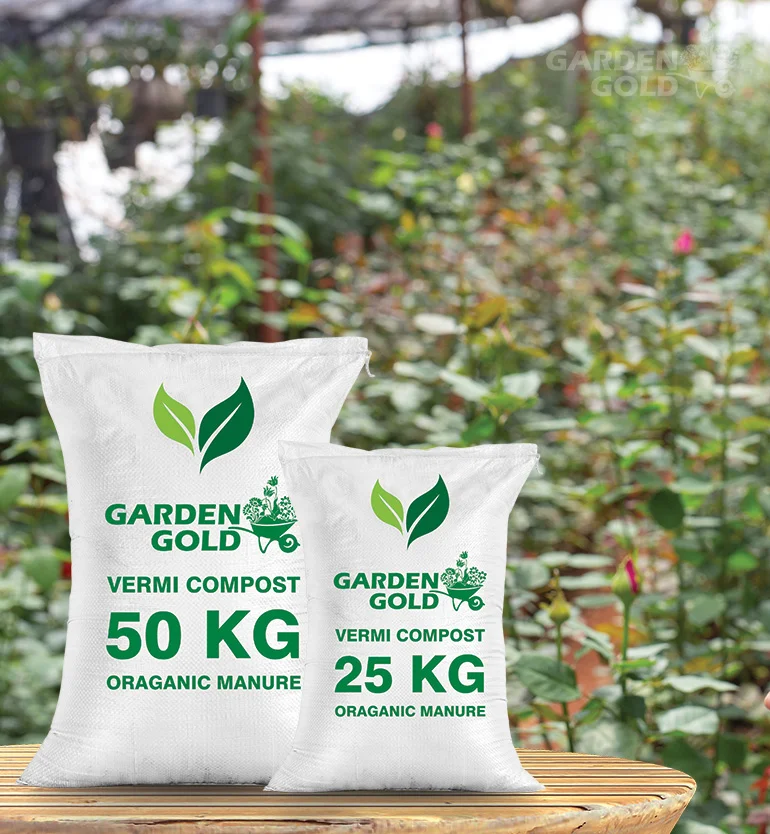
Vermicompost Online for Nursery: The Secret to Sustainable Growth Home / June 20, 2025 vermi_admin In today’s fast-paced world of gardening and nursery management, choosing the right fertilizer is essential to maintain healthy and sustainable plant growth. More nursery owners and gardeners are now shifting from chemical-based fertilizers to organic alternatives that nourish both the soil and plants without causing long-term damage. One such powerful solution is vermicompost, and finding vermicompost online for nursery use has never been easier. Discover the Power of Vermicompost Vermicompost is an organic fertilizer produced by the natural decomposition of organic matter with the help of earthworms. This eco-friendly compost is packed with essential nutrients, beneficial microbes, and enzymes that enrich soil fertility. Its fine texture, neutral pH, and slow nutrient release make it perfect for delicate nursery plants, ensuring strong roots and vibrant growth from the very beginning. Why Choose Vermicompost for Your Nursery? Nursery plants are at a critical stage of development, requiring gentle care and balanced nutrition. Here’s why vermicompost is an ideal choice: Where to Buy Vermicompost Online for Nursery Purchasing organic compost for your nursery through trusted online sources saves time and ensures you get high-quality fertilizer. When choosing a supplier, ensure the compost is: Properly cured and odour-free Rich in visible worm castings Free from harmful pathogens or weed seeds Certified for organic use (if applicable) At Garden Gold, we offer premium vermicompost made with care and quality. Our product meets the needs of nurseries, helping young plants grow healthier and stronger, right from the root. Tips for Applying Vermicompost in Nursery Plants To get the best results, apply vermicompost correctly: Mix 25-30% vermicompost with potting soil before planting. Top-dress existing plants every 20–30 days. Water lightly after application to help nutrients penetrate the soil. Regular use of vermicompost enhances not only plant health but also overall nursery productivity. It builds a self-sustaining environment where plants thrive naturally. The Sustainable Choice for Garden Nurseries Sustainability is no longer just a trend, it’s a necessity. Nurseries play a vital role in greening our cities and landscapes. By switching to vermicompost, nursery caretakers contribute to: Reducing chemical runoff Recycling organic waste Enhancing biodiversity in soil Creating pollution-free surroundings Switching to organic practices like using vermicompost online for nursery needs reflects your commitment to eco-conscious living and responsible gardening. Final Thoughts Whether you are managing a small home nursery or a large commercial garden, choosing the right fertilizer is crucial. Vermicompost offers a gentle yet powerful way to support healthy growth, improve soil health, and reduce your environmental footprint. Ready to transform your nursery with nature’s best fertilizer? Send your required quantity on our whatsapp number: +91 9426567778 with your location to get a quote. Let your nursery thrive the natural way!
Why Garden Gold Tops the List of Vermicompost Suppliers in Gujarat
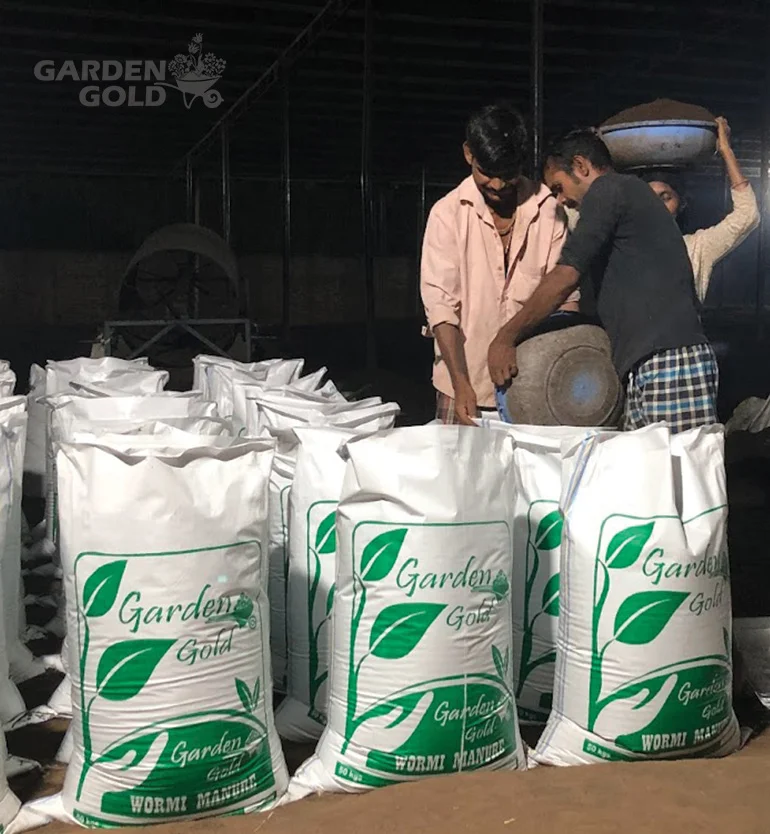
Why Garden Gold Tops the List of Vermicompost Suppliers in Gujarat Home / May 13, 2025 vermi_admin In today’s world, where chemical farming is leading to soil degradation and environmental harm, the shift towards organic cultivation is more than a trend; it’s a necessity. Vermicompost is an all-natural, nutrient-rich fertilizer at the heart of this transformation. And when it comes to sourcing the best vermicompost in Western India, Garden Gold stands tall as the top choice for countless farmers and gardeners. Here’s why they’re the most trusted vermicompost supplier in Gujarat. What Makes Garden Gold Stand Out? Garden Gold isn’t just another compost brand. Based in Mogar, Anand, Gujarat, this company is built on a mission to restore soil health, improve crop yields, and support sustainable farming. Their vermicompost is processed under hygienic conditions using premium organic matter and earthworms, delivering a product high in nutrients, odour-free, and safe for large-scale agricultural use. Key Reasons to Choose Garden Gold Here are the top features that make Garden Gold the ideal choice for anyone looking for high-quality organic fertilizer: 1. 100% Organic & Chemical-Free● No synthetic fertilizers or additives● Safe for food crops, indoor plants, and ornamental gardening 2. Enriched with Beneficial Microbes● Boosts root strength and plant immunity● Supports long-term soil fertility 3. Wide Range of ApplicationsPerfect for:● Home gardens● Agricultural fields● Greenhouses & nurseries● Farmhouses, resorts, and landscaping projects 4. Multiple Packaging Options● Available in 1 kg, 5 kg, 25 kg, and 50 kg bags● Suitable for gardeners, nurseries, and large-scale farmers 5. Excellent Customer Support● Fast, friendly assistance via email and phone● Guides provided for first-time users● Local pickup or transport arrangements are possible Sustainable Farming Starts with the Soil Using vermicompost improves soil structure, aeration, and water retention, key factors that affect long-term crop performance. With regular application of Garden Gold’s compost, farmers report:● 20–30% higher yield in crops like vegetables, wheat, and fruits● Better disease resistance and stronger root development● Reduction in chemical fertilizer usageThis makes Garden Gold not just a product provider but a partner in your journey toward eco-conscious farming. Leading Vermicompost Supplier in Gujarat Garden Gold has built a solid reputation across Gujarat for consistently delivering premium quality vermicompost. Their commitment to quality and customer service has made them a go-to vermicompost supplier in Gujarat, especially among:● Organic farmers● Gardening enthusiasts● Horticulturists● Urban terrace gardeners● Agro-based industries● Nurseries and landscaping contractors● Farmhouses, resorts, and institutional buyers What Customers Are Saying “I got Garden Gold’s organic manure and used it in my garden for a while. I must say there were visible results in growth, and the quality changed so much!! Looking forward to continuing to use it for a long time.” — Priyal Tirthani “Have been using it recently for my pot plants…see a vast difference in their natural colours and growth, the quality of soil in pots too has changed. highly recommended….” — Vijay Sharma How to Order Email: gardengoldvermicompost@gmail.comPhone: +91-94265 67778, +91-98251 29003Location: Mogar, Anand, GujaratNote: Currently, orders are fulfilled within Gujarat. Final Thoughts Choosing the right Vermicompost can make all the difference if you’re serious about going organic. With Garden Gold, you get a trusted vermicompost supplier in Gujarat that delivers quality, consistency, and results. Whether growing food or flowers, healthy soil is where success begins, and Garden Gold helps you nurture it naturally.
Uses of Vermicompost: A Problem-Solving Guide for Gardeners, Farmers, and Nursery Caretakers

Uses of Vermicompost: A Problem-Solving Guide for Gardeners, Farmers, and Nursery Caretakers Home / October 21, 2024 vermi_admin What is Vermicompost? Vermicompost is an organic fertilizer produced by the breakdown of organic matter through the digestive system of earthworms. These worms consume decomposing plant and food waste, and the nutrient-rich castings they excrete are a natural fertilizer. Vermicompost contains vital nutrients such as nitrogen, phosphorus, and potassium and is teeming with beneficial microbes, making it an excellent soil conditioner. Unlike synthetic fertilizers, it improves soil structure and promotes sustainable gardening practices. Advantages of Vermicompost Vermicompost offers several advantages: Nutrient-rich: It enhances the soil’s nutrient content with essential minerals like nitrogen, potassium, and magnesium. Improves soil structure: Vermicompost loosens compact soil, allowing better root growth and aeration. Water retention: It enhances soil’s water-holding capacity, reducing the need for frequent watering. Sustainability: As an organic material, vermicompost contributes to waste reduction and eco-friendly farming. Supports beneficial organisms: Vermicompost boosts the presence of earthworms, fungi, and bacteria that further improve soil health. How to Use Vermicompost Vermicompost can be applied in various ways depending on your gardening or farming needs: Top Dressing: Sprinkle vermicompost around the base of plants and lightly rake it into the soil. This method is excellent for lawns, gardens, and even potted plants. Soil Amendment: Mix vermicompost directly into the soil before planting. This will help create a nutrient-rich environment for seeds and young plants to thrive. Compost Tea: You can create a liquid fertilizer by soaking vermicompost in water. This “compost tea” can be used to water plants and offers a quick nutrient boost. Uses of Vermicompost in Agriculture For farmers, the uses of vermicompost are immense. When applied to agricultural fields, Vermicompost can restore depleted soils, increasing crop yields. It also enhances root growth, making plants more resilient to drought and disease. Farmers using vermicompost report improvements in soil fertility and plant productivity, all while reducing the need for chemical fertilizers. Boosting organic matter in the soil contributes to better water retention, reducing irrigation frequency. Uses of Vermicompost in Gardens Gardeners can significantly benefit from incorporating vermicompost into their flower beds and vegetable patches. Whether used as a top dressing or mixed into the soil, vermicompost enriches the garden environment, providing plants with slow-release nutrients and encouraging vibrant growth. Flowers bloom more profusely, and vegetables develop better flavours and sizes. Plus, the improved soil texture helps plants establish stronger root systems. Uses of Vermicompost in Plant Nurseries For nursery caretakers, vermicompost is an ideal growing medium. Seedlings and saplings raised in vermicompost-enriched soils tend to be healthier, grow faster, and have a greater survival rate after transplantation. The steady release of nutrients supports uniform growth, and the increased microbial activity boosts plant immunity, making them less susceptible to pests and diseases. FAQ How is vermicompost different from regular compost? Vermicompost differs from regular compost because it involves the digestive action of earthworms, which produce nutrient-rich castings. While regular compost decomposes organic matter through microbial processes, vermicompost has more beneficial microbes and its nutrient profile is generally higher. Can anyone use vermicompost? Yes, vermicompost is user-friendly and suitable for a variety of applications. It’s a safe and effective option for gardeners, farmers, and nursery caretakers. Even novice gardeners can apply it without the risk of harming plants, as it doesn’t burn plant roots like some chemical fertilizers can. What are the properties of vermicompost? Vermicompost is high in essential nutrients like nitrogen, potassium, and phosphorus. It’s also rich in beneficial microorganisms that improve soil health. The organic matter in vermicompost improves soil aeration and moisture retention, making it highly valuable for plant growth. Is vermicompost suitable for potted plants? Yes, vermicompost is excellent for potted plants. It provides essential nutrients and improves the potting mix’s structure, promoting better drainage and aeration. A small amount mixed into potting soil or used as a top dressing will boost plant health and growth. In conclusion, vermicompost’s uses span various domains—home gardens and plant nurseries to large-scale farms. Its ability to enrich soil naturally, improve plant growth, and offer long-term soil fertility makes it an invaluable resource for cultivating healthier, more productive plants. Using vermicompost, gardeners, farmers, and nursery caretakers can adopt a more sustainable and practical approach to soil management.
Seasonal Organic Vegetables in Anand, What to Grow and Eat Throughout the Year

Seasonal Organic Vegetables in Anand, What to Grow and Eat Throughout the Year Home / August 30, 2024 vermi_admin Vermicomposting is the process of using worms to break down organic refuse material into a nutrient-rich compost. Vermicomposting offers several environmental benefits, which finally result in a valuable soil amendment product. It plays an important role in mitigating climate change through waste reduction, methane gas reduction, improved soil health, carbon sequestration, and water conservation. This process is gaining momentum, especially in a city like Anand(Mogar), where people are becoming more and more aware of the benefits of organic vegetables and therefore demanding more of it. Some of the benefits include Waste Reduction Probably the most immediate advantage of vermicomposting is waste reduction. Organic wastes contribute to a great deal of landfill mass. As organic wastes decay in landfills, they become very potent producers of methane, a greenhouse gas. Vermicomposting diverts this waste from landfills and turns it into a valuable compost instead. In this way, not only is the volume of waste reduced, but so are methane emissions, thus directly helping to mitigate climate change. Methane Gas Reduction Landfills turn out to be large emitters of methane, which has 25 times more potent global warming potential than carbon dioxide. Vermicomposting can efficiently reduce the quantity of refuse that goes to landfills, thereby saving a lot of methane production. This reduction in methane emissions thus becomes an important step toward mitigation of climate change, helping to bring down the total levels of GHGs in the atmosphere. Soil Health and Carbon Sequestration Vermicompost contains plenty of essential nutrients and beneficial microorganisms, which help improve soil health and fertility. Healthy soils thus form the backbone of carbon sequestration, the process of removing carbon dioxide from the atmosphere and storing it in soils. Vermicompost organic matter helps in enhancing soil structure and giving it more potential to store additional carbon. Through its effect on soil health and carbon sequestration, vermicomposting thus lowers atmospheric carbon dioxide levels associated with climate change. Water Conservation Vermicomposting helps in water conservation. Soils enriched by vermicompost have greater water retention capacity, reducing the frequency of irrigations. This is quite important for areas in arid regions or where there is a shortage of water. Vermicomposting improves the moisture retention of the soil, which helps in conserving the water resource, hence it is a sustainable practice in agriculture and gardening. Local Impact: Organic Vegetables in Vadodara Increasingly, organic farming methods, including vermicomposting, have been adopted in Anand for the growth of organic vegetables. Maybe this trend is because people are getting more aware about the benefits of organic produce to health and the environment. Organic vegetables do not include synthetic pesticides or fertilizers in their growth process; hence, they are much healthier to consume for people and the environment. Vermicompost in organic farming is thus not only a means of enhancing fertility but also a way of adopting sustainable agricultural practices that ultimately reduce dependence on chemical inputs in agriculture. To Summarize Vermicomposting is linked to various environmental benefits, including waste reduction, methane gas reduction, improved soil health, carbon sequestration, and water conservation. Vermicomposting is an activity whereby people, at the community and farm level, can contribute to waste management, mitigation of climate change, and promoting sustainable agriculture. Increased popularity of organic vegetables in Vadodara elaborates on the raising awareness and the result of adopting organic methods. The more people who jump on board to embrace vermicomposting, the more we all can work toward a resilient, sustainable future.
Step-by-Step Guide for Process of Vermicomposting
Step-by-Step Guide for Process of Vermicomposting Home / June 19, 2024 vermi_admin If you’re looking for an eco-friendly way to manage organic waste and boost soil fertility, vermicomposting is a great solution. The process of vermicomposting uses earthworms to naturally break down food scraps and other biodegradable materials into nutrient-rich compost. It’s simple, sustainable, and perfect for home gardeners or plant enthusiasts who want to reduce waste and enrich their soil the natural way. Here’s a detailed step-by-step guide on how to create vermicompost naturally. 1. Setting Up the Vermicomposting Bin Choose a Container: Select a suitable container made of wood, plastic, or a combination of both. Ensure it has a lid to protect the compost from pests and to maintain moisture levels. Drill Holes: Drill small holes at the bottom and sides of the container for aeration and drainage. Prepare Bedding: Add a layer of moist bedding material such as shredded newspaper, cardboard, straw, or coconut coir. This provides a habitat for the worms and helps in maintaining moisture. 2. Selecting the Right Worms Red Wigglers (Eisenia fetida): These are the most commonly used worms for vermicomposting because they thrive in organic material and reproduce quickly. Amount: A pound of red wigglers (about 1,000 worms) is suitable for starting a small to medium-sized vermicomposting system. 3. Adding Organic Waste Types of Waste: Add kitchen scraps like fruit and vegetable peels, coffee grounds, tea bags, eggshells, and small amounts of bread or grains. Avoid adding meat, dairy products, oily foods, and citrus peels as they can attract pests and create odors. Chop Waste: Chop the waste into small pieces to speed up the decomposition process. Bury the Waste: Bury the kitchen scraps under the bedding material to prevent odors and discourage fruit flies. 4. Maintaining the Vermicomposting Bin Moisture Level: Keep the bedding moist but not soggy. The consistency should be like a wrung-out sponge. Temperature: Maintain the bin at a temperature between 55°F and 77°F (13°C to 25°C). Extreme temperatures can harm the worms. Aeration: Regularly stir the contents of the bin to provide oxygen and help decompose the waste. 5. Harvesting Vermicompost Timeframe: It typically takes 3 to 6 months for the worms to convert the organic waste into vermicompost. Separating Worms: To harvest the compost, move the contents to one side of the bin and add fresh bedding and food to the other side. The worms will migrate to the new food source within a few days. You can then collect the finished vermicompost. Screening: Use a mesh screen to separate any undigested material and large pieces from the vermicompost. 6. Using Vermicompost Soil Amendment: Mix vermicompost into garden soil to improve fertility and soil structure. Potting Mix: Combine vermicompost with potting soil for container gardening. Top Dressing: Apply a thin layer of vermicompost around plants as a nutrient-rich mulch. Compost Tea: Brew vermicompost in water to create a liquid fertilizer that can be sprayed on plants or used as a soil drench. Top Benefits of the Process of Vermicomposting Nutrient-Rich: Produces compost packed with nitrogen, phosphorus, potassium, and beneficial microorganisms that support strong plant growth. Improves Soil Quality: Enhances soil texture, boosts aeration, and increases water retention for better root development. Environmentally Friendly: Reduces organic waste in landfills, cuts down on greenhouse gas emissions, and supports sustainable living. Cost-Effective: Decreases dependence on chemical fertilizers, saving money while keeping your garden chemical-free. By following the process of vermicomposting, you not only reduce household waste but also contribute to a healthier, greener environment.Garden Gold’s vermicompost is created using these same sustainable principles, ensuring the highest quality and effectiveness for your gardening needs.
Agriculture Matters: How Organic Manure Helps Our Future
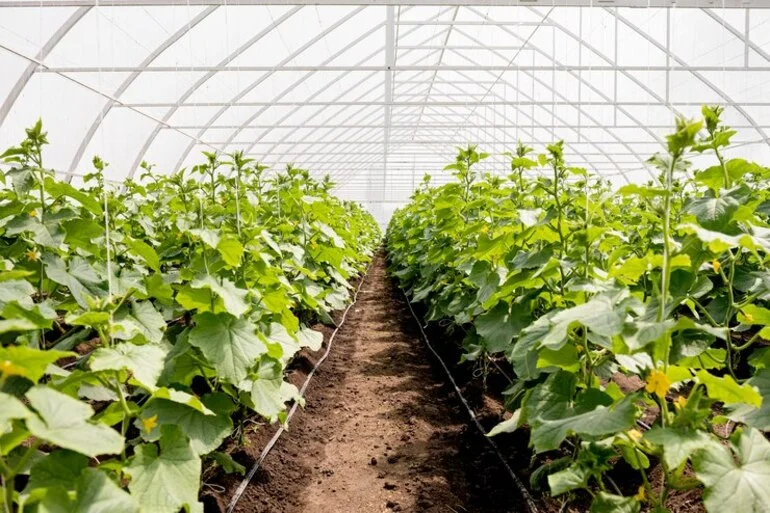
Agriculture Matters: How Organic Manure Helps Our Future Home / January 23, 2023 vermi_admin Why Agriculture Is So Important Agriculture is the backbone of human life. As the global population keeps growing, we need to find smart ways to grow more food without harming the Earth. Traditional farming with chemical fertilizers and pesticides may work faster, but it damages the soil and pollutes water over time. That’s why natural farming methods are becoming more popular. One of the best ways to protect the soil and grow healthy crops is by using organic manure. This natural solution helps keep the land fertile for generations to come. What Is Organic Manure? Organic manure is a natural soil booster made from animal waste, crop leftovers, kitchen scraps, or plants. It contains nutrients like nitrogen, phosphorus, and potassium all of which are essential for plants to grow strong and healthy. Unlike synthetic fertilizers, it breaks down slowly, feeds the soil steadily, and doesn’t harm the environment. Benefits of Organic Manure Using natural manure is one of the smartest ways to improve farming. Here’s why: Benefit What It Means for Your Farm or Garden Improves Soil Health Adds organic matter, improving texture and life Boosts Water Retention Helps soil hold water for longer periods Promotes Healthy Roots Encourages deeper root growth Reduces Chemical Dependency No need for harmful synthetic fertilizers Protects the Environment Reduces pollution and promotes biodiversity These benefits make it ideal not only for big farms but also for home gardens and kitchen farming. Types of Organic Manure There are several types of natural manure you can use, depending on what you need: 1. Farmyard Manure (FYM) Made from cow dung, leftover feed, and farm waste. It’s commonly used in rural areas. 2. Compost Created from kitchen waste, dry leaves, and vegetable peels. It’s easy to make at home. 3. Green Manure Involves growing specific plants like legumes and ploughing them back into the soil. 4. Vermicompost Made with the help of earthworms, this type is rich in nutrients and breaks down faster. 5. Biogas Slurry Leftover from biogas plants, this is a thick liquid full of nutrients that plants love. Each of these types can enrich your soil naturally and help grow better crops without chemicals. Why Choose Garden Gold Organic Manure? If you want a reliable and ready-to-use product, Garden Gold Organic Manure is a top choice. It’s made from high-quality natural materials and supports plant growth in the most eco-friendly way. Here’s what makes it stand out: Pure & Natural: No artificial chemicals Suitable for All Types of Soil and Crops Eco-Friendly Packaging: Safe for you and the environment Worm-Rich Formula: Helps improve microbial activity in the soil Whether you’re a professional farmer or a weekend gardener, Garden Gold helps your plants thrive naturally. How Organic Manure Supports the Future As we look to the future, farming must be more sustainable and nature-friendly. Natural manure methods protect the soil, save water, and grow healthier food. Using fewer chemicals also means fewer toxins in our water, air, and food. Communities that return to nature-based solutions are not only protecting the planet but also ensuring better food security for future generations. Conclusion: Grow Smart, Grow Green Healthy farming is the key to a healthy planet. Using organic manure is one of the simplest yet most powerful steps we can take toward better soil, safer food, and a cleaner Earth. It helps reduce waste, saves money, and grows stronger plants all without harming the environment. So whether you’re planting flowers at home or running a full-scale farm, choose natural methods that work with nature, not against it. By switching to this eco-friendly fertilizer, you support sustainable gardening and give your indoor plants the best possible foundation for lush, vibrant growth. Choose Garden Gold Vermicompost today and let your indoor garden bloom beautifully.
What is the difference between vermiculture and vermi compost?
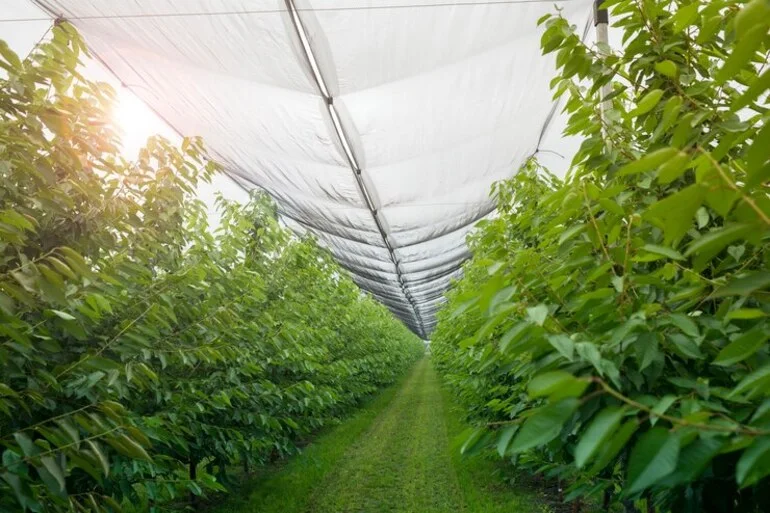
What is the difference between vermiculture and vermi compost? Home / January 23, 2023 vermi_admin When exploring sustainable gardening or organic farming, it’s easy to confuse vermiculture and vermicompost. While both involve earthworms, their roles and goals are quite different. Understanding the difference between vermiculture and vermicompost can help you choose the right method for your garden’s needs, whether you’re aiming to enrich your soil or scale up your worm population. These eco-friendly practices not only improve soil health but also reduce household waste, making them a win-win for you and the environment. What is Vermiculture? Vermiculture is the science of breeding and growing earthworms. This method focuses on expanding worm populations for: Starting or scaling composting systems Selling worms for fishing, agriculture, or educational use Research or commercial production Goal: Increase worm count by maintaining optimal reproductive conditions.Ideal for: People wanting to start a vermicompost setup or sell worms. What is Vermicomposting? Vermicomposting is the process of converting organic waste into nutrient-rich compost using earthworms like red wigglers. Worms break down kitchen scraps and other biodegradable material into worm castings, also called vermicompost. Excellent for recycling kitchen and garden waste Boosts soil fertility and plant health Reduces the need for chemical fertilizers Goal: Produce compost by keeping a dense population of worms.Ideal for: Gardeners and farmers seeking sustainable soil enrichment. Key Differences at a Glance Aspect Vermiculture Vermicompost Purpose Worm breeding & population growth Compost production using worms Focus Reproduction of worms Waste breakdown into organic fertilizer Worm Density Low (to promote reproduction) High (for maximum compost output) Output Earthworms Nutrient-rich worm castings (manure) Application Expansion of worm colonies Enriching soil with organic matter Why Knowing the Difference Matters Understanding the difference between vermiculture and vermicompost helps you: Choose the right method based on your goal Save time and resources by applying the right technique Create a more effective and sustainable composting system Whether you’re aiming to grow your worm population or nourish your garden soil, selecting the correct process ensures success. How They Work Together Vermiculture can support vermicomposting by supplying a steady population of healthy, active worms. Many composting operations begin with vermiculture to establish a strong worm base before scaling up compost production. In short, vermiculture is a part of the vermicomposting process, but both serve unique and complementary purposes. Conclusion Choose vermiculture if you want to raise and multiply worms. Choose vermicompost if your aim is to recycle organic waste into natural fertilizer. Both techniques support eco-friendly practices, but understanding the difference between vermiculture and vermicompost ensures you choose the right method for your needs. Whether you’re aiming for better soil health or sustainable waste management, making the right choice can lead to a greener, healthier garden and a healthier planet.
Top 5 Best Indoor Plants to Beautify and Purify Your Home

Top 5 Best Indoor Plants to Beautify and Purify Your Home Home / January 23, 2023 vermi_admin Looking to enhance your living space with greenery? In this blog, we explore the best indoor plants that not only beautify your home but also purify the air and improve well-being. Whether you’re a plant lover or just starting your indoor gardening journey, this guide offers expert tips, care advice, and the top plant choices to help you build your perfect indoor oasis. What are Indoor Plants? Indoor plants are specifically grown to thrive inside homes, offices, or other enclosed environments. They are selected for their adaptability to low-light conditions and their ability to enhance indoor aesthetics. Beyond looks, the best indoor plants can significantly improve air quality, reduce stress, and create a calm, refreshing atmosphere. In this blog, we list 5 of the best indoor plants commonly found across India, perfect for beginners and plant enthusiasts alike. 1. Snake Plant ( Sansevieria) The snake plant is a popular indoor plant renowned for its ability to purify the air and release oxygen even at night, making it a perfect choice for bedrooms. With its long, sword-shaped leaves and unique patterns, the snake plant adds a touch of elegance to any space. Besides its aesthetic appeal, this low-maintenance plant requires minimal care and thrives in various light conditions. It efficiently absorbs harmful toxins, such as formaldehyde and benzene, from the air, promoting a healthier indoor environment. Whether you’re a seasoned plant enthusiast or a beginner, the snake plant is a must-have addition to your indoor garden, offering both beauty and a continuous supply of fresh oxygen. Care tips for Snake plant place it in a well-draining pot, Water by spraying, and avoid overwatering. provide indirect sunlight With its air-purifying qualities and easy care requirements, the snake plant is a fantastic choice for any indoor plant enthusiast. 2. Peace Lily (Spathiphyllum) The peace lily is a stunning indoor plant renowned for its beautiful white flowers and air-purifying abilities. Apart from its aesthetic appeal, the peace lily is also a great contributor to indoor air quality as it releases oxygen continuously, even during the night. This makes it an excellent choice for bedrooms or areas where you spend a significant amount of time. Care tips for Peace Lily plant Providing Indirect sunlight Ensuring proper drainage while watering Misting and cleaning leaves can’t give a lush appearance Following these tips can make peace lily a fantastic addition to any indoor space. 3. Money Plant The Money Plant, also known as Pothos or Devil’s Ivy, is a popular indoor plant that not only adds a touch of greenery to your space but also provides continuous oxygen supply, making it ideal for improving indoor air quality. With its trailing vines and heart-shaped leaves, the Money Plant brings a refreshing and calming presence to any room. Care tips for Snake plant Placing it in bright but indirect sunlight, Watering it moderately Can be placed in glass bottles filled with water or soil Regularly pruning its leaves for healthy growth With its air-purifying qualities and low-maintenance nature, the Money Plant is an excellent choice for both seasoned and beginner indoor gardeners. 4. Spider Plant (Chlorophytum) The Spider Plant, scientifically known as Chlorophytum comosum, is a popular choice for indoor gardening enthusiasts. Apart from its aesthetic appeal with its cascading green and white striped leaves, the Spider Plant is also known for its ability to produce oxygen and improve indoor air quality. This makes it an ideal choice for those looking to create a healthier living environment. Caring for a Spider Plant is relatively easy. It thrives in indirect sunlight and requires well-draining soil. Regular watering, allowing the soil to dry between waterings, and occasional misting to increase humidity are essential for its well-being. Spider Plants are known for their resilience and can even tolerate neglect. With its air-purifying qualities and low maintenance requirements, the Spider Plant is a wonderful addition to any indoor space. Care tips for Spider Plant Water such that the soil remains moist. Too much watering can lead to the rotting of roots. Occasional Pruning can benefit plant growth. Browning of leaves is natural. This can happen due to excess salt in the water. Use distilled water to water plants, which helps to reduce salt concentration. Spider Plants are known for their resilience and can even tolerate neglect. With its air-purifying qualities and low maintenance requirements, the Spider Plant is a wonderful addition to any indoor space. 5. Aloevera (Ghrit Kumari) Aloe vera, a versatile succulent plant, is not only known for its beauty but also for its air-purifying qualities. It releases oxygen during the night, making it an excellent choice for an indoor plant that provides 24-hour oxygen supply. Apart from its oxygenating properties, aloe vera is renowned for its healing properties and the gel-like substance within its leaves, which is used for various skincare and medicinal purposes. Care tips for Spider plant Ensure bright sunlight or artificial light throughout the day. A southern or western window can serve the purpose. Water the plant deeply but infrequently as being succulent it is accustomed to dry conditions. Water the plant once a week in indoor conditions. The ideal temperature is between 13 to 30 °C. Due to its oxygen releasing and medicinal choices, Aloe Vera is a great choice for home and office spaces. With our expert tips and plant care insights, you’ve now discovered some of the best indoor plants including snake plant, peace lily, money plant, spider plant, and aloe vera. These plants not only enhance the look of your home but also support cleaner air and a healthier indoor environment. With just a little care, you can enjoy the lasting beauty and wellness benefits of an indoor garden. Boost Your Indoor Plant Growth with Garden Gold Vermicompost To help your plants truly thrive, choose Garden Gold Vermicompost, made from fresh cow dung and packed with vital nutrients, beneficial microbes, and organic matter. It naturally
