
Is Your Garden Not Growing? See How Garden Gold Vermicompost Can Fix It!
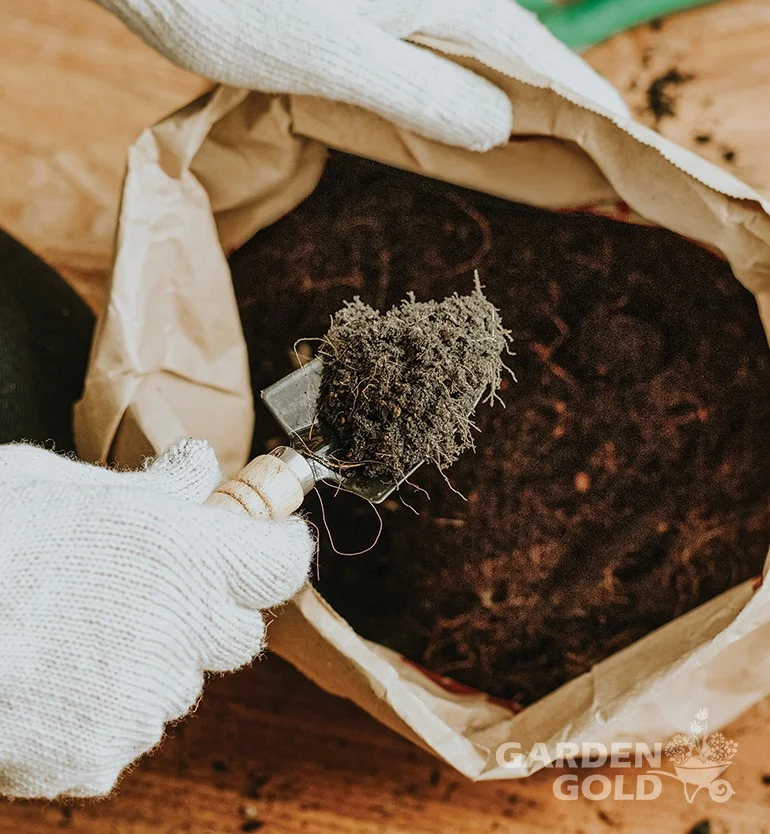
Is Your Garden Not Growing? See How Garden Gold Vermicompost Can Fix It! Home / March 18, 2025 vermi_admin Are you frustrated with your garden’s lack of growth despite your best efforts? Whether it’s flowers that won’t bloom, vegetables that are growing slowly, or plants that seem weak and unhealthy, the problem might not be you it could be the soil. Soil quality plays a huge role in how your plants grow, and if it’s lacking the right nutrients, your garden will struggle. Thankfully, there’s a simple and effective solution: Garden Gold vermicompost. What is Vermicompost? Indoor plants are specifically grown to thrive inside homes, offices, or other enclosed environments. They are selected for their adaptability to low-light conditions and their ability to enhance indoor aesthetics. Beyond looks, the best indoor plants can significantly improve air quality, reduce stress, and create a calm, refreshing atmosphere. In this blog, we list 5 of the best indoor plants commonly found across India, perfect for beginners and plant enthusiasts alike. Why Your Garden Might Not Be Growing There are several reasons why your garden may not be growing as expected. Poor soil quality is one of the most common culprits. Soil that lacks essential nutrients or has poor structure can prevent roots from getting the water and nutrients they need to grow. Over time, this results in weak plants that don’t reach their full potential. Common signs of poor soil include: Slow plant growth: Plants may grow at a snail’s pace or not grow at all. Yellowing leaves: A lack of key nutrients like nitrogen, phosphorus, or potassium can cause leaves to turn yellow. Wilting plants: Without good soil structure, water drainage becomes an issue, leading to wilting or root rot. How Vermicompost Can Help If your garden is struggling, vermicompost can be the solution you’ve been looking for. This organic fertilizer is packed with all the right nutrients to support plant health and improve soil conditions. Here’s how it works: 1. Boosts Soil Fertility Vermicompost is rich in essential nutrients like nitrogen, phosphorus, and potassium, as well as trace minerals that plants need for growth. It helps replenish the nutrients that are often washed away or depleted over time, ensuring that your plants get the nourishment they need. 2. Improves Soil Structure Vermicompost enhances the structure of your soil. It improves soil aeration, which allows better root development. It also increases the soil’s ability to retain moisture, so your plants won’t dry out too quickly, even during dry spells. 3. Encourages Healthy Root Growth Healthy roots are the foundation of strong plants. Vermicompost promotes the growth of deep, strong roots, ensuring that your plants can access water and nutrients more efficiently. Strong roots mean healthier, more vibrant plants overall. 4. Enhances Microbial Activity Vermicompost contains beneficial microbes that improve the overall health of your soil. These microbes break down organic matter, making nutrients more available to plants. A healthy microbial environment also helps combat harmful pathogens, reducing the risk of disease. How to Use Vermicompost Using vermicompost is simple. You can apply it in several ways depending on your garden’s needs: For flower beds and vegetable gardens: Mix vermicompost into the soil before planting to improve soil fertility. You can also top-dress around established plants to provide ongoing nutrition. For potted plants: Mix vermicompost into your potting mix to give plants the nutrients they need for strong, healthy growth. Conclusion If your garden isn’t growing as expected, it’s time to take a closer look at your soil. Poor soil can be a major barrier to healthy plant growth, but the good news is that it’s easy to fix. Garden Gold Vermicompost offers an eco-friendly, natural solution for improving your soil and helping your garden’s plants thrive. By adding this nutrient-rich fertilizer to your garden, you’ll see stronger plants, vibrant flowers, and bountiful harvests in no time. Give your garden the boost it needs and watch it flourish with the power of vermicompost!
Uses of Vermicompost: A Problem-Solving Guide for Gardeners, Farmers, and Nursery Caretakers

Uses of Vermicompost: A Problem-Solving Guide for Gardeners, Farmers, and Nursery Caretakers Home / October 21, 2024 vermi_admin What is Vermicompost? Vermicompost is an organic fertilizer produced by the breakdown of organic matter through the digestive system of earthworms. These worms consume decomposing plant and food waste, and the nutrient-rich castings they excrete are a natural fertilizer. Vermicompost contains vital nutrients such as nitrogen, phosphorus, and potassium and is teeming with beneficial microbes, making it an excellent soil conditioner. Unlike synthetic fertilizers, it improves soil structure and promotes sustainable gardening practices. Advantages of Vermicompost Vermicompost offers several advantages: Nutrient-rich: It enhances the soil’s nutrient content with essential minerals like nitrogen, potassium, and magnesium. Improves soil structure: Vermicompost loosens compact soil, allowing better root growth and aeration. Water retention: It enhances soil’s water-holding capacity, reducing the need for frequent watering. Sustainability: As an organic material, vermicompost contributes to waste reduction and eco-friendly farming. Supports beneficial organisms: Vermicompost boosts the presence of earthworms, fungi, and bacteria that further improve soil health. How to Use Vermicompost Vermicompost can be applied in various ways depending on your gardening or farming needs: Top Dressing: Sprinkle vermicompost around the base of plants and lightly rake it into the soil. This method is excellent for lawns, gardens, and even potted plants. Soil Amendment: Mix vermicompost directly into the soil before planting. This will help create a nutrient-rich environment for seeds and young plants to thrive. Compost Tea: You can create a liquid fertilizer by soaking vermicompost in water. This “compost tea” can be used to water plants and offers a quick nutrient boost. Uses of Vermicompost in Agriculture For farmers, the uses of vermicompost are immense. When applied to agricultural fields, Vermicompost can restore depleted soils, increasing crop yields. It also enhances root growth, making plants more resilient to drought and disease. Farmers using vermicompost report improvements in soil fertility and plant productivity, all while reducing the need for chemical fertilizers. Boosting organic matter in the soil contributes to better water retention, reducing irrigation frequency. Uses of Vermicompost in Gardens Gardeners can significantly benefit from incorporating vermicompost into their flower beds and vegetable patches. Whether used as a top dressing or mixed into the soil, vermicompost enriches the garden environment, providing plants with slow-release nutrients and encouraging vibrant growth. Flowers bloom more profusely, and vegetables develop better flavours and sizes. Plus, the improved soil texture helps plants establish stronger root systems. Uses of Vermicompost in Plant Nurseries For nursery caretakers, vermicompost is an ideal growing medium. Seedlings and saplings raised in vermicompost-enriched soils tend to be healthier, grow faster, and have a greater survival rate after transplantation. The steady release of nutrients supports uniform growth, and the increased microbial activity boosts plant immunity, making them less susceptible to pests and diseases. FAQ How is vermicompost different from regular compost? Vermicompost differs from regular compost because it involves the digestive action of earthworms, which produce nutrient-rich castings. While regular compost decomposes organic matter through microbial processes, vermicompost has more beneficial microbes and its nutrient profile is generally higher. Can anyone use vermicompost? Yes, vermicompost is user-friendly and suitable for a variety of applications. It’s a safe and effective option for gardeners, farmers, and nursery caretakers. Even novice gardeners can apply it without the risk of harming plants, as it doesn’t burn plant roots like some chemical fertilizers can. What are the properties of vermicompost? Vermicompost is high in essential nutrients like nitrogen, potassium, and phosphorus. It’s also rich in beneficial microorganisms that improve soil health. The organic matter in vermicompost improves soil aeration and moisture retention, making it highly valuable for plant growth. Is vermicompost suitable for potted plants? Yes, vermicompost is excellent for potted plants. It provides essential nutrients and improves the potting mix’s structure, promoting better drainage and aeration. A small amount mixed into potting soil or used as a top dressing will boost plant health and growth. In conclusion, vermicompost’s uses span various domains—home gardens and plant nurseries to large-scale farms. Its ability to enrich soil naturally, improve plant growth, and offer long-term soil fertility makes it an invaluable resource for cultivating healthier, more productive plants. Using vermicompost, gardeners, farmers, and nursery caretakers can adopt a more sustainable and practical approach to soil management.
Seasonal Organic Vegetables in Anand, What to Grow and Eat Throughout the Year

Seasonal Organic Vegetables in Anand, What to Grow and Eat Throughout the Year Home / August 30, 2024 vermi_admin Vermicomposting is the process of using worms to break down organic refuse material into a nutrient-rich compost. Vermicomposting offers several environmental benefits, which finally result in a valuable soil amendment product. It plays an important role in mitigating climate change through waste reduction, methane gas reduction, improved soil health, carbon sequestration, and water conservation. This process is gaining momentum, especially in a city like Anand(Mogar), where people are becoming more and more aware of the benefits of organic vegetables and therefore demanding more of it. Some of the benefits include Waste Reduction Probably the most immediate advantage of vermicomposting is waste reduction. Organic wastes contribute to a great deal of landfill mass. As organic wastes decay in landfills, they become very potent producers of methane, a greenhouse gas. Vermicomposting diverts this waste from landfills and turns it into a valuable compost instead. In this way, not only is the volume of waste reduced, but so are methane emissions, thus directly helping to mitigate climate change. Methane Gas Reduction Landfills turn out to be large emitters of methane, which has 25 times more potent global warming potential than carbon dioxide. Vermicomposting can efficiently reduce the quantity of refuse that goes to landfills, thereby saving a lot of methane production. This reduction in methane emissions thus becomes an important step toward mitigation of climate change, helping to bring down the total levels of GHGs in the atmosphere. Soil Health and Carbon Sequestration Vermicompost contains plenty of essential nutrients and beneficial microorganisms, which help improve soil health and fertility. Healthy soils thus form the backbone of carbon sequestration, the process of removing carbon dioxide from the atmosphere and storing it in soils. Vermicompost organic matter helps in enhancing soil structure and giving it more potential to store additional carbon. Through its effect on soil health and carbon sequestration, vermicomposting thus lowers atmospheric carbon dioxide levels associated with climate change. Water Conservation Vermicomposting helps in water conservation. Soils enriched by vermicompost have greater water retention capacity, reducing the frequency of irrigations. This is quite important for areas in arid regions or where there is a shortage of water. Vermicomposting improves the moisture retention of the soil, which helps in conserving the water resource, hence it is a sustainable practice in agriculture and gardening. Local Impact: Organic Vegetables in Vadodara Increasingly, organic farming methods, including vermicomposting, have been adopted in Anand for the growth of organic vegetables. Maybe this trend is because people are getting more aware about the benefits of organic produce to health and the environment. Organic vegetables do not include synthetic pesticides or fertilizers in their growth process; hence, they are much healthier to consume for people and the environment. Vermicompost in organic farming is thus not only a means of enhancing fertility but also a way of adopting sustainable agricultural practices that ultimately reduce dependence on chemical inputs in agriculture. To Summarize Vermicomposting is linked to various environmental benefits, including waste reduction, methane gas reduction, improved soil health, carbon sequestration, and water conservation. Vermicomposting is an activity whereby people, at the community and farm level, can contribute to waste management, mitigation of climate change, and promoting sustainable agriculture. Increased popularity of organic vegetables in Vadodara elaborates on the raising awareness and the result of adopting organic methods. The more people who jump on board to embrace vermicomposting, the more we all can work toward a resilient, sustainable future.
The Best Vermicompost for Vegetable Gardens Grow Fresh and Nutritious Produce

The Best Vermicompost for Vegetable Gardens Grow Fresh and Nutritious Produce Home / August 21, 2024 vermi_admin The reasons behind a good yield of fresh and healthy vegetables in gardening lie in many factors, but the most important is soil health. Since all plants derive the required nutrition from the soil, at times the soil lacks the ability to deliver what the plants need. Then comes fertilization. Of all the available options, organic fertilizers come first because of the number of benefits associated with them, especially vermicompost. In this blog, we will learn why Vermicompost is termed the best Vermicompost for vegetable gardens, uses, benefits, which vegetables grow best during the monsoon, and how much to use. Why Organic Fertilizers? There are mainly two categories of fertilizers: synthetic and organic. Synthetic Fertilizers are manufactured chemically, while at the same time, the organic ones are made from natural materials. Environmentally friendly farming procedures that use organic fertilizers, such as compost, manure, and worm castings—vermicompost—are preferred in that it provides organic matter to the soil, improves its structure, and promotes beneficial microbial activity. What Makes Vermicompost the Best? Vermicompost, or worm castings, is nutrient-rich organic fertilizer produced by earthworms during decomposition. Here are the reasons that make it the best vermicompost for a vegetable garden: Nutrient-Rich: Vermicompost contains enough nutrients, such as nitrogen, phosphorus, and potassium, with other micronutrients in forms easily available to plants. All of these nutrients have prime importance in plant growth and development. Improves Soil Structure: Better aeration, water retention, and root penetration of the soil are among the features that are improved by the organic matter in vermicompost. This will result in more healthy, stress-resistant plants. Increases Microbial Activity: Vermicompost is enriched with many beneficial microorganisms that help in breaking organic matter and, hence, make the release of nutrients easier. It also holds microorganisms that help protect the plants from diseases by outcompeting the pathogens. Eco-Friendly: Unlike synthetic fertilizers, vermicompost is natural and sustainable, and therefore reduces the risk relating to chemical runoffs and soil degradation. Uses of Best Vermicompost in Vegetable Gardens Vermicompost can be used in various ways to benefit vegetable gardens: Soil Amendment: Mix vermicomposting into the soil before planting to enrich the soil with nutrients and amend the texture in the soil. Top Dressing: Apply a layer of vermicompost around the base of established plants and thereby give them a steady supply of food. Compost Tea: Brew vermicompost tea to water plants, giving them an additional nutrient boost. Quantity of Vermicompost The optimal amount of vermicompost would depend on the size of the garden and specific needs of the plants. General incorporation of about 1-2 inches into the top 6 inches of soil is adequate. For top dressing, mix 1-2 handfuls around the base of each plant every few weeks. To Sum It Up Choosing the right vermicompost for your vegetable garden is going to help you grow fresh and healthy vegetables. Vermicompost not only supplies necessary nutrients but also promotes soil health and the garden ecosystem. Vermicomposting can help in reaping a rich harvest from plants. Give your vegetable garden a good headstart with high-grade vermicompost, and enjoy the rewards of a healthy and productive garden.
