
How can vermicompost fertilizer unlock organic and sustainable farming?
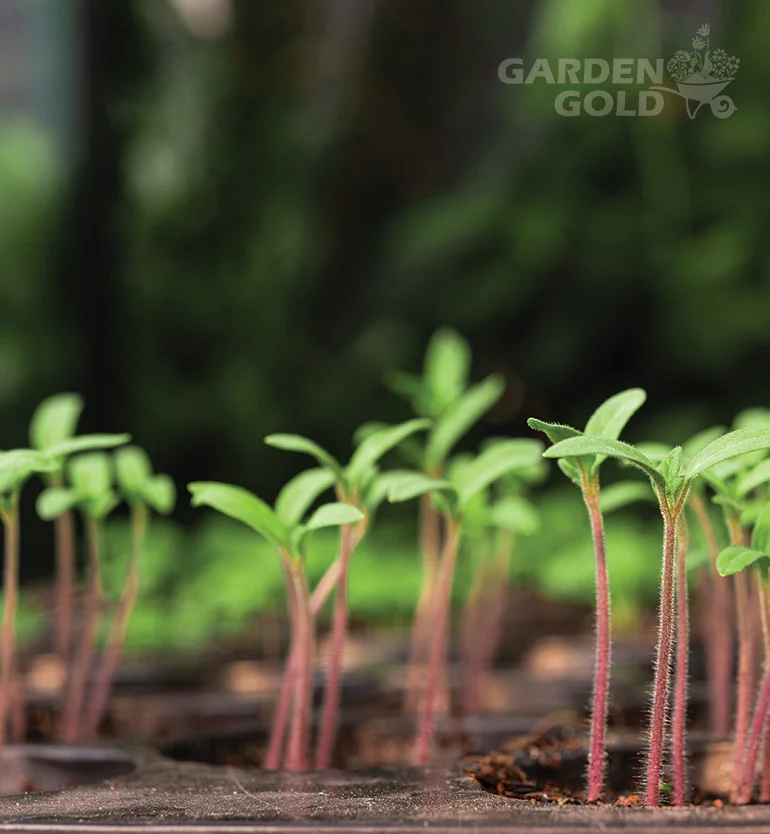
How can vermicompost fertilizer unlock organic and sustainable farming? Home / June 20, 2025 vermi_admin Today, more farmers and gardeners are moving towards organic methods to grow crops and care for the soil. One of the best solutions in this green movement is vermicompost fertilizer. Made from the natural process of earthworm digestion, this organic material is more than just compost, it’s a powerful soil booster that supports both plant health and the environment. What Makes Vermicompost Fertilizer Special? Unlike chemical fertilizers that work fast but harm the soil over time, vermicompost works gently and naturally. It is made by feeding kitchen and garden waste to earthworms. The result? Rich, dark compost full of nutrients, helpful plant microbiome, and natural plant growth hormones. Some key benefits include: How It Supports Organic Farming For organic farming, keeping the soil healthy is very important. That’s where this natural fertilizer plays a major role. It helps: With regular use, it becomes easier to grow stronger, greener crops in a sustainable way. Why It’s a Game-Changer Let’s look at why this natural product is becoming popular among organic growers: Easy Ways to Use It No matter the size of your garden or farm, it’s easy to use. Here’s how: Soil Mix: Add to potting soil before planting seeds or plants. Top Dressing: Spread around plants every 3–4 weeks. Liquid Compost: Soak a handful in water overnight and pour it on your plants the next day. These simple steps help make your soil richer and your plants stronger. Still if you need a guide, we have a dedicated blog on Problem-Solving Guide for Gardeners, Farmers, and Nursery Caretaker. Looking Ahead: A Greener Future Using vermicompost fertilizer is a smart step toward a healthier planet. It’s not just about better harvests, it’s about caring for the earth. This method turns waste into valuable compost, reduces harmful chemicals, and supports local farming communities. onclusion If you want to grow healthy plants while protecting nature, this is the perfect solution. From small gardens to big farms, anyone can benefit from this natural fertilizer. Visit Garden Gold to find high-quality vermicompost made for eco-conscious farmers and gardeners. Make the switch today, because healthy soil is the first step toward a better tomorrow. Previous PostNext Post
Vermicompost Online for Nursery: The Secret to Sustainable Growth
Vermicompost Online for Nursery: The Secret to Sustainable Growth Home / June 20, 2025 vermi_admin In today’s fast-paced world of gardening and nursery management, choosing the right fertilizer is essential to maintain healthy and sustainable plant growth. More nursery owners and gardeners are now shifting from chemical-based fertilizers to organic alternatives that nourish both the soil and plants without causing long-term damage. One such powerful solution is vermicompost, and finding vermicompost online for nursery use has never been easier. Discover the Power of Vermicompost Vermicompost is an organic fertilizer produced by the natural decomposition of organic matter with the help of earthworms. This eco-friendly compost is packed with essential nutrients, beneficial microbes, and enzymes that enrich soil fertility. Its fine texture, neutral pH, and slow nutrient release make it perfect for delicate nursery plants, ensuring strong roots and vibrant growth from the very beginning. Why Choose Vermicompost for Your Nursery? Nursery plants are at a critical stage of development, requiring gentle care and balanced nutrition. Here’s why vermicompost is an ideal choice: Where to Buy Vermicompost Online for Nursery Purchasing organic compost for your nursery through trusted online sources saves time and ensures you get high-quality fertilizer. When choosing a supplier, ensure the compost is: Properly cured and odour-free Rich in visible worm castings Free from harmful pathogens or weed seeds Certified for organic use (if applicable) At Garden Gold, we offer premium vermicompost made with care and quality. Our product meets the needs of nurseries, helping young plants grow healthier and stronger, right from the root. Tips for Applying Vermicompost in Nursery Plants To get the best results, apply vermicompost correctly: Mix 25-30% vermicompost with potting soil before planting. Top-dress existing plants every 20–30 days. Water lightly after application to help nutrients penetrate the soil. Regular use of vermicompost enhances not only plant health but also overall nursery productivity. It builds a self-sustaining environment where plants thrive naturally. The Sustainable Choice for Garden Nurseries Sustainability is no longer just a trend, it’s a necessity. Nurseries play a vital role in greening our cities and landscapes. By switching to vermicompost, nursery caretakers contribute to: Reducing chemical runoff Recycling organic waste Enhancing biodiversity in soil Creating pollution-free surroundings Switching to organic practices like using vermicompost online for nursery needs reflects your commitment to eco-conscious living and responsible gardening. Final Thoughts Whether you are managing a small home nursery or a large commercial garden, choosing the right fertilizer is crucial. Vermicompost offers a gentle yet powerful way to support healthy growth, improve soil health, and reduce your environmental footprint. Ready to transform your nursery with nature’s best fertilizer? Send your required quantity on our whatsapp number: +91 9426567778 with your location to get a quote. Let your nursery thrive the natural way!
How to Choose the Best Vermicompost Manufacturer for Your Needs
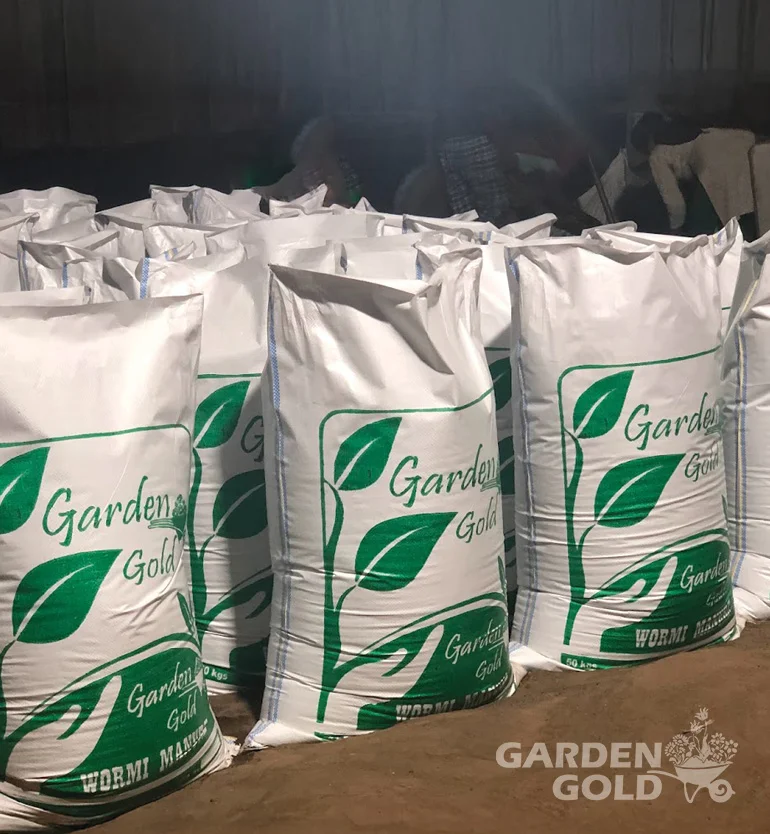
How to Choose the Best Vermicompost Manufacturer for Your Needs Home / April 14, 2025 vermi_admin If you’re a farm, nursery, landscaping contractor, or agri-business that purchases vermicompost in bulk, finding the right manufacturer is critical. The quality, consistency, and reliability of your vermicompost supplier can directly impact your yield, soil health, and overall profitability. But not all vermicompost manufacturers offer the same value. In this blog, we’ll guide you through the key factors bulk buyers should consider when selecting the best vermicompost manufacturer for long-term supply and trust. 1. Evaluate the Manufacturer’s Production Process As a bulk buyer, you need a consistent, nutrient-rich product that supports high performance across acres of land. Before placing an order, understand how the manufacturer produces their vermicompost: Earthworm-Based Composting: Ensure the compost is created using natural earthworm digestion, not just decomposed organic waste. Sustainable Practices: Choose a supplier that uses organic raw materials and adopts eco-friendly production processes. Transparency: Look for manufacturers who are open about their process and ready to provide details when asked. Tip: Ask for samples or visit the facility (if possible) before committing to large orders. 2. Review Product Specifications in Detail A professional manufacturer should provide clear and detailed product documentation with every batch. As a bulk buyer, you should verify: Ingredients: Ensure the compost is made from high-quality organic matter, free from synthetic chemicals or urban waste. Nutrient Profile: The vermicompost should include NPK values and other trace minerals essential for your crops. Moisture Content & Texture: These should be consistent – ideal moisture is around 20 – 25% for field application. Tip: Consistency in these specifications ensures predictability in your farm or nursery operations. 3. Check Certifications and Compliance Bulk buyers should only work with suppliers who have the necessary certifications, as this reflects their commitment to quality: Organic Certification: Verifies the product is suitable for organic farming. ISO or GMP Certification: Indicates standardized processes and quality control. Sustainability Badges: Such as eco-certifications or local agri-board approvals, show responsibility toward the environment. Tip: Certifications give you peace of mind and help maintain credibility in your own supply chain. 4. Ensure Batch-to-Batch Quality Consistency One of the biggest concerns in bulk buying is inconsistency across deliveries. Your chosen manufacturer should: Follow strict quality control protocols for every batch. Offer lab reports on nutrient content, if requested. Be open to third-party testing or on-site quality checks. Tip: Don’t hesitate to ask for references or testimonials from other bulk buyers. 5. Assess Packaging & Logistics Capability For bulk orders, delivery reliability and packaging are critical. The manufacturer should be equipped to: Deliver on time, especially during planting seasons. Use strong, eco-friendly packaging that keeps the compost intact during long-distance transport. Provide clear logistics coordination and shipment tracking. Tip: Confirm whether they can handle repeated large volumes without delays. 6. Look for Responsive Customer Support A manufacturer’s ability to quickly respond to your queries, provide documentation, and resolve issues is just as important as product quality. Ideal traits include: Dedicated bulk order contact or manager Prompt email/phone response Willingness to customize deliveries as per your farm’s needs Tip: A proactive and cooperative support team can save you time and hassle. 7. Competitive Pricing & Bulk Discounts Price matters but not at the cost of quality. Compare manufacturers not just on rates but also on value for money. Consider: Transparent pricing with no hidden charges Bulk order discounts or loyalty programs Flexible payment terms for recurring buyers Tip: The best supplier is one who offers sustainable pricing while maintaining consistent quality. Final Thoughts: Build a Long-Term Relationship Choosing the right vermicompost manufacturer for bulk orders is about more than a one-time purchase. You’re looking for a dependable partner who supports your soil health, your business goals, and your timeline. By focusing on production quality, certifications, consistency, logistics, and responsive service, you can confidently build a lasting relationship with a manufacturer who understands bulk buyer needs. Looking for a trusted bulk vermicompost supplier? Start with Garden Gold – where consistency, purity, and service meet.📞 Contact us for bulk order: +91 94265 67778
How Much Vermicompost is Needed Per Acre? A Complete Guide for Farmers
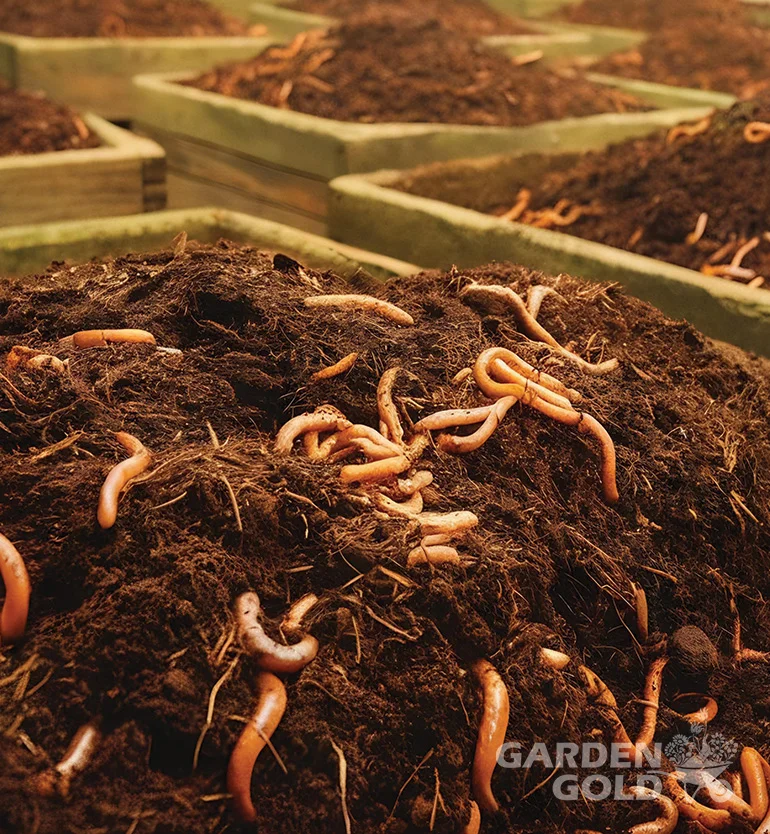
How Much Vermicompost is Needed Per Acre? A Complete Guide for Farmers Home / April 14, 2025 vermi_admin Vermicompost is an organic, nutrient-dense fertilizer created through earthworm’s breakdown of organic matter. It enhances soil structure, supports plant growth, and encourages sustainable farming practices. Understanding how much vermicompost per acre is required for optimal crop growth is crucial for farmers. The ideal quantity can vary depending on crop type, soil condition, and growth stage. Let’s explore the right amount of vermicompost for different crops and how to apply it effectively for maximum benefit. Why Vermicompost is Essential for Your Crops Vermicompost is a powerhouse of nutrients such as nitrogen, phosphorus, and potassium, critical for plant growth. It improves soil aeration, enhances water retention, and boosts microbial activity, resulting in healthier, more resilient crops. By incorporating vermicompost into your farming practices, you can reduce the need for synthetic fertilizers and promote long-term soil health. It’s an eco-friendly, sustainable choice for farmers aiming to enhance crop yields and overall farm productivity. How Much Vermicompost Per Acre Should You Apply? The amount of vermicompost per acre depends on factors like soil quality, crop type, and specific growth stages. Below are general guidelines to help determine the right amount of vermicompost for various crops: 1. Field Crops (Wheat, Rice, Maize, etc.) Quantity: 1 to 2 tons (2,000 to 4,000 kg) per acre.Application: Mix the vermicompost into the soil during field preparation or apply it as a top dressing at the start of the growing season. This will help improve soil fertility, encouraging healthy root development and strong crop growth.
Is Your Garden Not Growing? See How Garden Gold Vermicompost Can Fix It!
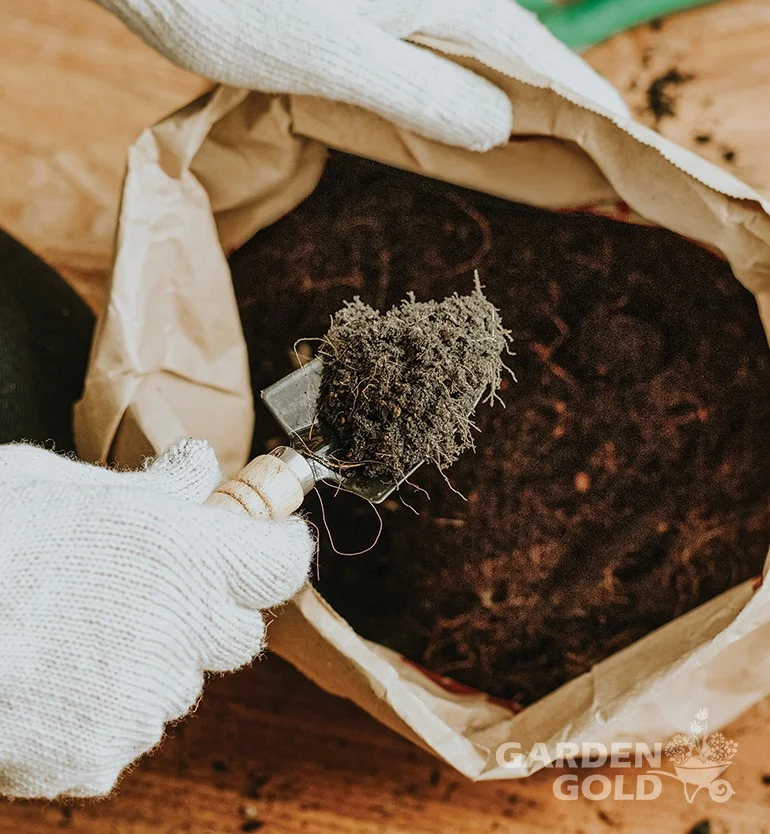
Is Your Garden Not Growing? See How Garden Gold Vermicompost Can Fix It! Home / March 18, 2025 vermi_admin Are you frustrated with your garden’s lack of growth despite your best efforts? Whether it’s flowers that won’t bloom, vegetables that are growing slowly, or plants that seem weak and unhealthy, the problem might not be you it could be the soil. Soil quality plays a huge role in how your plants grow, and if it’s lacking the right nutrients, your garden will struggle. Thankfully, there’s a simple and effective solution: Garden Gold vermicompost. What is Vermicompost? Indoor plants are specifically grown to thrive inside homes, offices, or other enclosed environments. They are selected for their adaptability to low-light conditions and their ability to enhance indoor aesthetics. Beyond looks, the best indoor plants can significantly improve air quality, reduce stress, and create a calm, refreshing atmosphere. In this blog, we list 5 of the best indoor plants commonly found across India, perfect for beginners and plant enthusiasts alike. Why Your Garden Might Not Be Growing There are several reasons why your garden may not be growing as expected. Poor soil quality is one of the most common culprits. Soil that lacks essential nutrients or has poor structure can prevent roots from getting the water and nutrients they need to grow. Over time, this results in weak plants that don’t reach their full potential. Common signs of poor soil include: Slow plant growth: Plants may grow at a snail’s pace or not grow at all. Yellowing leaves: A lack of key nutrients like nitrogen, phosphorus, or potassium can cause leaves to turn yellow. Wilting plants: Without good soil structure, water drainage becomes an issue, leading to wilting or root rot. How Vermicompost Can Help If your garden is struggling, vermicompost can be the solution you’ve been looking for. This organic fertilizer is packed with all the right nutrients to support plant health and improve soil conditions. Here’s how it works: 1. Boosts Soil Fertility Vermicompost is rich in essential nutrients like nitrogen, phosphorus, and potassium, as well as trace minerals that plants need for growth. It helps replenish the nutrients that are often washed away or depleted over time, ensuring that your plants get the nourishment they need. 2. Improves Soil Structure Vermicompost enhances the structure of your soil. It improves soil aeration, which allows better root development. It also increases the soil’s ability to retain moisture, so your plants won’t dry out too quickly, even during dry spells. 3. Encourages Healthy Root Growth Healthy roots are the foundation of strong plants. Vermicompost promotes the growth of deep, strong roots, ensuring that your plants can access water and nutrients more efficiently. Strong roots mean healthier, more vibrant plants overall. 4. Enhances Microbial Activity Vermicompost contains beneficial microbes that improve the overall health of your soil. These microbes break down organic matter, making nutrients more available to plants. A healthy microbial environment also helps combat harmful pathogens, reducing the risk of disease. How to Use Vermicompost Using vermicompost is simple. You can apply it in several ways depending on your garden’s needs: For flower beds and vegetable gardens: Mix vermicompost into the soil before planting to improve soil fertility. You can also top-dress around established plants to provide ongoing nutrition. For potted plants: Mix vermicompost into your potting mix to give plants the nutrients they need for strong, healthy growth. Conclusion If your garden isn’t growing as expected, it’s time to take a closer look at your soil. Poor soil can be a major barrier to healthy plant growth, but the good news is that it’s easy to fix. Garden Gold Vermicompost offers an eco-friendly, natural solution for improving your soil and helping your garden’s plants thrive. By adding this nutrient-rich fertilizer to your garden, you’ll see stronger plants, vibrant flowers, and bountiful harvests in no time. Give your garden the boost it needs and watch it flourish with the power of vermicompost!
The Best Vermicompost for Vegetable Gardens Grow Fresh and Nutritious Produce

The Best Vermicompost for Vegetable Gardens Grow Fresh and Nutritious Produce Home / August 21, 2024 vermi_admin The reasons behind a good yield of fresh and healthy vegetables in gardening lie in many factors, but the most important is soil health. Since all plants derive the required nutrition from the soil, at times the soil lacks the ability to deliver what the plants need. Then comes fertilization. Of all the available options, organic fertilizers come first because of the number of benefits associated with them, especially vermicompost. In this blog, we will learn why Vermicompost is termed the best Vermicompost for vegetable gardens, uses, benefits, which vegetables grow best during the monsoon, and how much to use. Why Organic Fertilizers? There are mainly two categories of fertilizers: synthetic and organic. Synthetic Fertilizers are manufactured chemically, while at the same time, the organic ones are made from natural materials. Environmentally friendly farming procedures that use organic fertilizers, such as compost, manure, and worm castings—vermicompost—are preferred in that it provides organic matter to the soil, improves its structure, and promotes beneficial microbial activity. What Makes Vermicompost the Best? Vermicompost, or worm castings, is nutrient-rich organic fertilizer produced by earthworms during decomposition. Here are the reasons that make it the best vermicompost for a vegetable garden: Nutrient-Rich: Vermicompost contains enough nutrients, such as nitrogen, phosphorus, and potassium, with other micronutrients in forms easily available to plants. All of these nutrients have prime importance in plant growth and development. Improves Soil Structure: Better aeration, water retention, and root penetration of the soil are among the features that are improved by the organic matter in vermicompost. This will result in more healthy, stress-resistant plants. Increases Microbial Activity: Vermicompost is enriched with many beneficial microorganisms that help in breaking organic matter and, hence, make the release of nutrients easier. It also holds microorganisms that help protect the plants from diseases by outcompeting the pathogens. Eco-Friendly: Unlike synthetic fertilizers, vermicompost is natural and sustainable, and therefore reduces the risk relating to chemical runoffs and soil degradation. Uses of Best Vermicompost in Vegetable Gardens Vermicompost can be used in various ways to benefit vegetable gardens: Soil Amendment: Mix vermicomposting into the soil before planting to enrich the soil with nutrients and amend the texture in the soil. Top Dressing: Apply a layer of vermicompost around the base of established plants and thereby give them a steady supply of food. Compost Tea: Brew vermicompost tea to water plants, giving them an additional nutrient boost. Quantity of Vermicompost The optimal amount of vermicompost would depend on the size of the garden and specific needs of the plants. General incorporation of about 1-2 inches into the top 6 inches of soil is adequate. For top dressing, mix 1-2 handfuls around the base of each plant every few weeks. To Sum It Up Choosing the right vermicompost for your vegetable garden is going to help you grow fresh and healthy vegetables. Vermicompost not only supplies necessary nutrients but also promotes soil health and the garden ecosystem. Vermicomposting can help in reaping a rich harvest from plants. Give your vegetable garden a good headstart with high-grade vermicompost, and enjoy the rewards of a healthy and productive garden.
Step-by-Step Guide for Process of Vermicomposting
Step-by-Step Guide for Process of Vermicomposting Home / June 19, 2024 vermi_admin If you’re looking for an eco-friendly way to manage organic waste and boost soil fertility, vermicomposting is a great solution. The process of vermicomposting uses earthworms to naturally break down food scraps and other biodegradable materials into nutrient-rich compost. It’s simple, sustainable, and perfect for home gardeners or plant enthusiasts who want to reduce waste and enrich their soil the natural way. Here’s a detailed step-by-step guide on how to create vermicompost naturally. 1. Setting Up the Vermicomposting Bin Choose a Container: Select a suitable container made of wood, plastic, or a combination of both. Ensure it has a lid to protect the compost from pests and to maintain moisture levels. Drill Holes: Drill small holes at the bottom and sides of the container for aeration and drainage. Prepare Bedding: Add a layer of moist bedding material such as shredded newspaper, cardboard, straw, or coconut coir. This provides a habitat for the worms and helps in maintaining moisture. 2. Selecting the Right Worms Red Wigglers (Eisenia fetida): These are the most commonly used worms for vermicomposting because they thrive in organic material and reproduce quickly. Amount: A pound of red wigglers (about 1,000 worms) is suitable for starting a small to medium-sized vermicomposting system. 3. Adding Organic Waste Types of Waste: Add kitchen scraps like fruit and vegetable peels, coffee grounds, tea bags, eggshells, and small amounts of bread or grains. Avoid adding meat, dairy products, oily foods, and citrus peels as they can attract pests and create odors. Chop Waste: Chop the waste into small pieces to speed up the decomposition process. Bury the Waste: Bury the kitchen scraps under the bedding material to prevent odors and discourage fruit flies. 4. Maintaining the Vermicomposting Bin Moisture Level: Keep the bedding moist but not soggy. The consistency should be like a wrung-out sponge. Temperature: Maintain the bin at a temperature between 55°F and 77°F (13°C to 25°C). Extreme temperatures can harm the worms. Aeration: Regularly stir the contents of the bin to provide oxygen and help decompose the waste. 5. Harvesting Vermicompost Timeframe: It typically takes 3 to 6 months for the worms to convert the organic waste into vermicompost. Separating Worms: To harvest the compost, move the contents to one side of the bin and add fresh bedding and food to the other side. The worms will migrate to the new food source within a few days. You can then collect the finished vermicompost. Screening: Use a mesh screen to separate any undigested material and large pieces from the vermicompost. 6. Using Vermicompost Soil Amendment: Mix vermicompost into garden soil to improve fertility and soil structure. Potting Mix: Combine vermicompost with potting soil for container gardening. Top Dressing: Apply a thin layer of vermicompost around plants as a nutrient-rich mulch. Compost Tea: Brew vermicompost in water to create a liquid fertilizer that can be sprayed on plants or used as a soil drench. Top Benefits of the Process of Vermicomposting Nutrient-Rich: Produces compost packed with nitrogen, phosphorus, potassium, and beneficial microorganisms that support strong plant growth. Improves Soil Quality: Enhances soil texture, boosts aeration, and increases water retention for better root development. Environmentally Friendly: Reduces organic waste in landfills, cuts down on greenhouse gas emissions, and supports sustainable living. Cost-Effective: Decreases dependence on chemical fertilizers, saving money while keeping your garden chemical-free. By following the process of vermicomposting, you not only reduce household waste but also contribute to a healthier, greener environment.Garden Gold’s vermicompost is created using these same sustainable principles, ensuring the highest quality and effectiveness for your gardening needs.
Agriculture Matters: How Organic Manure Helps Our Future
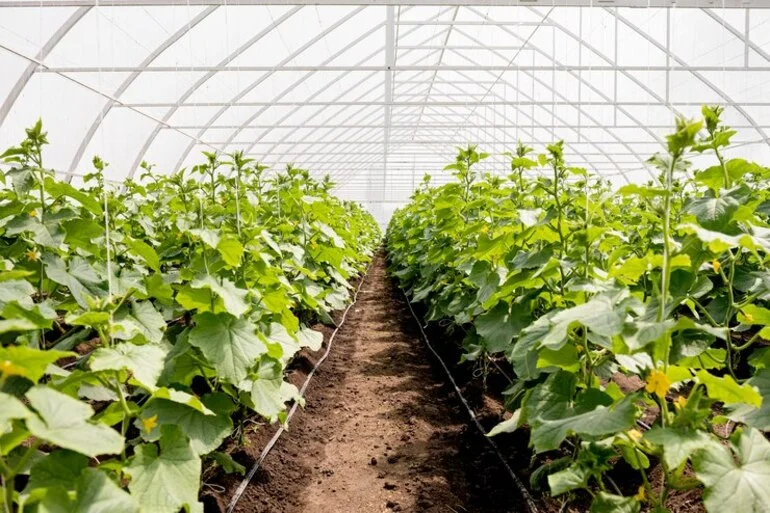
Agriculture Matters: How Organic Manure Helps Our Future Home / January 23, 2023 vermi_admin Why Agriculture Is So Important Agriculture is the backbone of human life. As the global population keeps growing, we need to find smart ways to grow more food without harming the Earth. Traditional farming with chemical fertilizers and pesticides may work faster, but it damages the soil and pollutes water over time. That’s why natural farming methods are becoming more popular. One of the best ways to protect the soil and grow healthy crops is by using organic manure. This natural solution helps keep the land fertile for generations to come. What Is Organic Manure? Organic manure is a natural soil booster made from animal waste, crop leftovers, kitchen scraps, or plants. It contains nutrients like nitrogen, phosphorus, and potassium all of which are essential for plants to grow strong and healthy. Unlike synthetic fertilizers, it breaks down slowly, feeds the soil steadily, and doesn’t harm the environment. Benefits of Organic Manure Using natural manure is one of the smartest ways to improve farming. Here’s why: Benefit What It Means for Your Farm or Garden Improves Soil Health Adds organic matter, improving texture and life Boosts Water Retention Helps soil hold water for longer periods Promotes Healthy Roots Encourages deeper root growth Reduces Chemical Dependency No need for harmful synthetic fertilizers Protects the Environment Reduces pollution and promotes biodiversity These benefits make it ideal not only for big farms but also for home gardens and kitchen farming. Types of Organic Manure There are several types of natural manure you can use, depending on what you need: 1. Farmyard Manure (FYM) Made from cow dung, leftover feed, and farm waste. It’s commonly used in rural areas. 2. Compost Created from kitchen waste, dry leaves, and vegetable peels. It’s easy to make at home. 3. Green Manure Involves growing specific plants like legumes and ploughing them back into the soil. 4. Vermicompost Made with the help of earthworms, this type is rich in nutrients and breaks down faster. 5. Biogas Slurry Leftover from biogas plants, this is a thick liquid full of nutrients that plants love. Each of these types can enrich your soil naturally and help grow better crops without chemicals. Why Choose Garden Gold Organic Manure? If you want a reliable and ready-to-use product, Garden Gold Organic Manure is a top choice. It’s made from high-quality natural materials and supports plant growth in the most eco-friendly way. Here’s what makes it stand out: Pure & Natural: No artificial chemicals Suitable for All Types of Soil and Crops Eco-Friendly Packaging: Safe for you and the environment Worm-Rich Formula: Helps improve microbial activity in the soil Whether you’re a professional farmer or a weekend gardener, Garden Gold helps your plants thrive naturally. How Organic Manure Supports the Future As we look to the future, farming must be more sustainable and nature-friendly. Natural manure methods protect the soil, save water, and grow healthier food. Using fewer chemicals also means fewer toxins in our water, air, and food. Communities that return to nature-based solutions are not only protecting the planet but also ensuring better food security for future generations. Conclusion: Grow Smart, Grow Green Healthy farming is the key to a healthy planet. Using organic manure is one of the simplest yet most powerful steps we can take toward better soil, safer food, and a cleaner Earth. It helps reduce waste, saves money, and grows stronger plants all without harming the environment. So whether you’re planting flowers at home or running a full-scale farm, choose natural methods that work with nature, not against it. By switching to this eco-friendly fertilizer, you support sustainable gardening and give your indoor plants the best possible foundation for lush, vibrant growth. Choose Garden Gold Vermicompost today and let your indoor garden bloom beautifully.
