
Step-by-Step Guide for Process of Vermicomposting
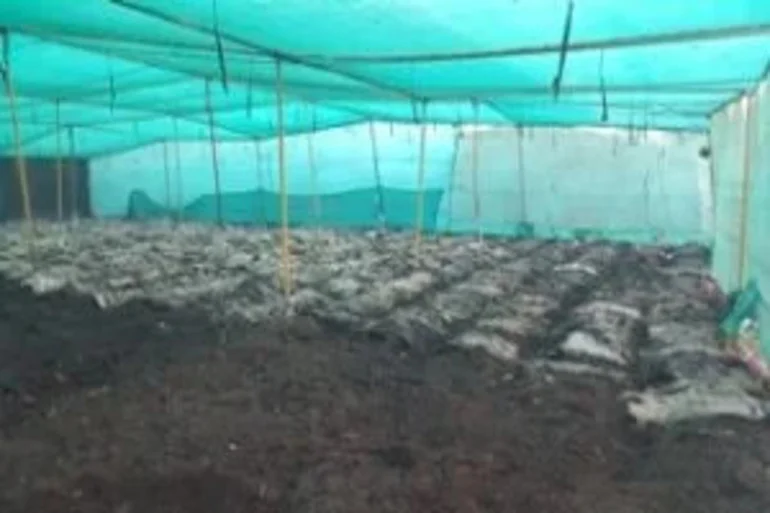
Step-by-Step Guide for Process of Vermicomposting Home / June 19, 2024 vermi_admin If you’re looking for an eco-friendly way to manage organic waste and boost soil fertility, vermicomposting is a great solution. The process of vermicomposting uses earthworms to naturally break down food scraps and other biodegradable materials into nutrient-rich compost. It’s simple, sustainable, and perfect for home gardeners or plant enthusiasts who want to reduce waste and enrich their soil the natural way. Here’s a detailed step-by-step guide on how to create vermicompost naturally. 1. Setting Up the Vermicomposting Bin Choose a Container: Select a suitable container made of wood, plastic, or a combination of both. Ensure it has a lid to protect the compost from pests and to maintain moisture levels. Drill Holes: Drill small holes at the bottom and sides of the container for aeration and drainage. Prepare Bedding: Add a layer of moist bedding material such as shredded newspaper, cardboard, straw, or coconut coir. This provides a habitat for the worms and helps in maintaining moisture. 2. Selecting the Right Worms Red Wigglers (Eisenia fetida): These are the most commonly used worms for vermicomposting because they thrive in organic material and reproduce quickly. Amount: A pound of red wigglers (about 1,000 worms) is suitable for starting a small to medium-sized vermicomposting system. 3. Adding Organic Waste Types of Waste: Add kitchen scraps like fruit and vegetable peels, coffee grounds, tea bags, eggshells, and small amounts of bread or grains. Avoid adding meat, dairy products, oily foods, and citrus peels as they can attract pests and create odors. Chop Waste: Chop the waste into small pieces to speed up the decomposition process. Bury the Waste: Bury the kitchen scraps under the bedding material to prevent odors and discourage fruit flies. 4. Maintaining the Vermicomposting Bin Moisture Level: Keep the bedding moist but not soggy. The consistency should be like a wrung-out sponge. Temperature: Maintain the bin at a temperature between 55°F and 77°F (13°C to 25°C). Extreme temperatures can harm the worms. Aeration: Regularly stir the contents of the bin to provide oxygen and help decompose the waste. 5. Harvesting Vermicompost Timeframe: It typically takes 3 to 6 months for the worms to convert the organic waste into vermicompost. Separating Worms: To harvest the compost, move the contents to one side of the bin and add fresh bedding and food to the other side. The worms will migrate to the new food source within a few days. You can then collect the finished vermicompost. Screening: Use a mesh screen to separate any undigested material and large pieces from the vermicompost. 6. Using Vermicompost Soil Amendment: Mix vermicompost into garden soil to improve fertility and soil structure. Potting Mix: Combine vermicompost with potting soil for container gardening. Top Dressing: Apply a thin layer of vermicompost around plants as a nutrient-rich mulch. Compost Tea: Brew vermicompost in water to create a liquid fertilizer that can be sprayed on plants or used as a soil drench. Top Benefits of the Process of Vermicomposting Nutrient-Rich: Produces compost packed with nitrogen, phosphorus, potassium, and beneficial microorganisms that support strong plant growth. Improves Soil Quality: Enhances soil texture, boosts aeration, and increases water retention for better root development. Environmentally Friendly: Reduces organic waste in landfills, cuts down on greenhouse gas emissions, and supports sustainable living. Cost-Effective: Decreases dependence on chemical fertilizers, saving money while keeping your garden chemical-free. By following the process of vermicomposting, you not only reduce household waste but also contribute to a healthier, greener environment.Garden Gold’s vermicompost is created using these same sustainable principles, ensuring the highest quality and effectiveness for your gardening needs.
Agriculture Matters: How Organic Manure Helps Our Future
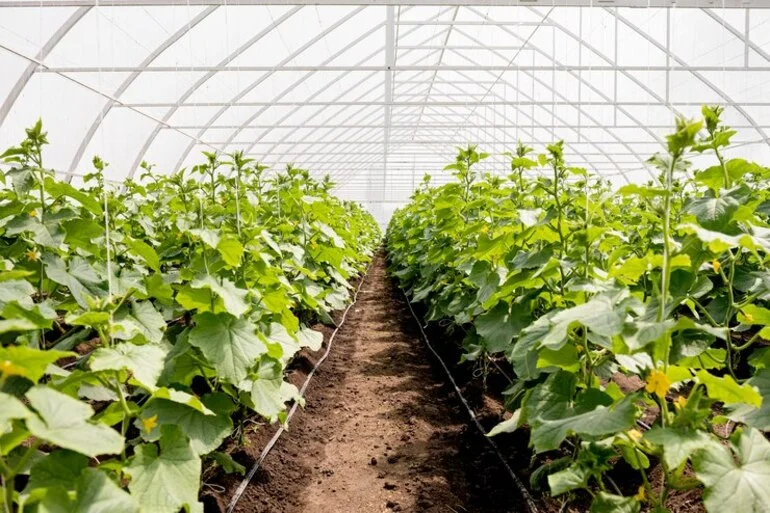
Agriculture Matters: How Organic Manure Helps Our Future Home / January 23, 2023 vermi_admin Why Agriculture Is So Important Agriculture is the backbone of human life. As the global population keeps growing, we need to find smart ways to grow more food without harming the Earth. Traditional farming with chemical fertilizers and pesticides may work faster, but it damages the soil and pollutes water over time. That’s why natural farming methods are becoming more popular. One of the best ways to protect the soil and grow healthy crops is by using organic manure. This natural solution helps keep the land fertile for generations to come. What Is Organic Manure? Organic manure is a natural soil booster made from animal waste, crop leftovers, kitchen scraps, or plants. It contains nutrients like nitrogen, phosphorus, and potassium all of which are essential for plants to grow strong and healthy. Unlike synthetic fertilizers, it breaks down slowly, feeds the soil steadily, and doesn’t harm the environment. Benefits of Organic Manure Using natural manure is one of the smartest ways to improve farming. Here’s why: Benefit What It Means for Your Farm or Garden Improves Soil Health Adds organic matter, improving texture and life Boosts Water Retention Helps soil hold water for longer periods Promotes Healthy Roots Encourages deeper root growth Reduces Chemical Dependency No need for harmful synthetic fertilizers Protects the Environment Reduces pollution and promotes biodiversity These benefits make it ideal not only for big farms but also for home gardens and kitchen farming. Types of Organic Manure There are several types of natural manure you can use, depending on what you need: 1. Farmyard Manure (FYM) Made from cow dung, leftover feed, and farm waste. It’s commonly used in rural areas. 2. Compost Created from kitchen waste, dry leaves, and vegetable peels. It’s easy to make at home. 3. Green Manure Involves growing specific plants like legumes and ploughing them back into the soil. 4. Vermicompost Made with the help of earthworms, this type is rich in nutrients and breaks down faster. 5. Biogas Slurry Leftover from biogas plants, this is a thick liquid full of nutrients that plants love. Each of these types can enrich your soil naturally and help grow better crops without chemicals. Why Choose Garden Gold Organic Manure? If you want a reliable and ready-to-use product, Garden Gold Organic Manure is a top choice. It’s made from high-quality natural materials and supports plant growth in the most eco-friendly way. Here’s what makes it stand out: Pure & Natural: No artificial chemicals Suitable for All Types of Soil and Crops Eco-Friendly Packaging: Safe for you and the environment Worm-Rich Formula: Helps improve microbial activity in the soil Whether you’re a professional farmer or a weekend gardener, Garden Gold helps your plants thrive naturally. How Organic Manure Supports the Future As we look to the future, farming must be more sustainable and nature-friendly. Natural manure methods protect the soil, save water, and grow healthier food. Using fewer chemicals also means fewer toxins in our water, air, and food. Communities that return to nature-based solutions are not only protecting the planet but also ensuring better food security for future generations. Conclusion: Grow Smart, Grow Green Healthy farming is the key to a healthy planet. Using organic manure is one of the simplest yet most powerful steps we can take toward better soil, safer food, and a cleaner Earth. It helps reduce waste, saves money, and grows stronger plants all without harming the environment. So whether you’re planting flowers at home or running a full-scale farm, choose natural methods that work with nature, not against it. By switching to this eco-friendly fertilizer, you support sustainable gardening and give your indoor plants the best possible foundation for lush, vibrant growth. Choose Garden Gold Vermicompost today and let your indoor garden bloom beautifully.
