
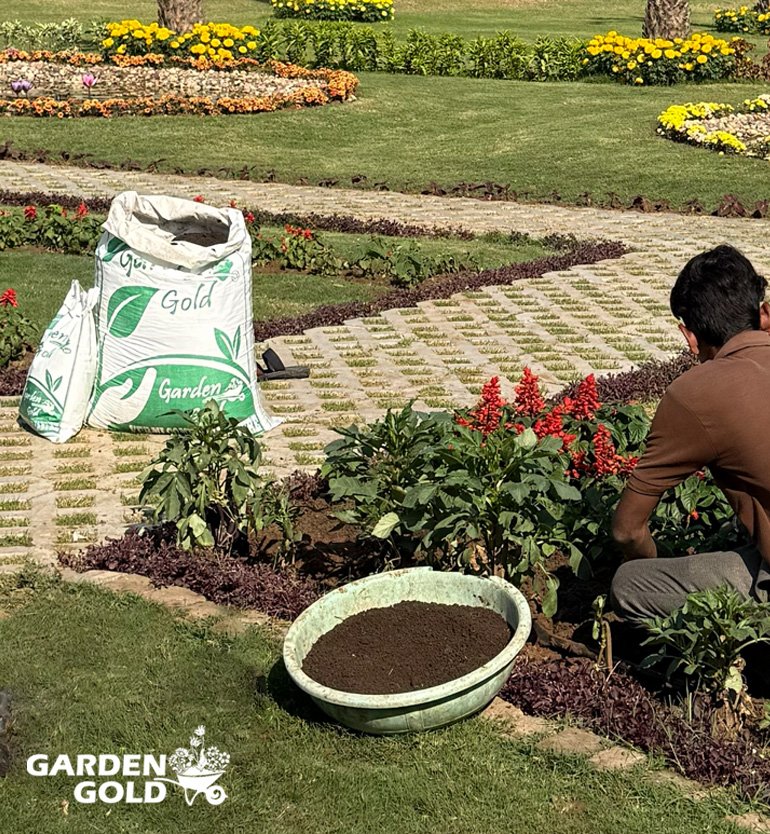
Agriculture is evolving. For decades, productivity was driven by heavy chemical inputs aimed at maximizing short-term output. While this approach increased yields temporarily, it also caused declining soil fertility, reduced biodiversity, nutrient imbalance, and rising environmental concerns.
Today, the focus has shifted from “How much can we produce?” to “How sustainably can we produce it?” In this transition, Organic Vermicompost has emerged as one of the most effective and practical solutions for building regenerative and sustainable farming systems.
Organic Vermicompost offers a powerful balance between crop productivity, soil restoration, environmental protection, and long-term profitability. It strengthens the foundation of agriculture by rebuilding soil health rather than exhausting it.
Modern agriculture faces serious challenges:
Excessive dependence on synthetic fertilizers may deliver quick results, but it often damages soil structure and weakens the natural biological ecosystem. Sustainable agriculture focuses on restoring soil vitality, conserving natural resources, and maintaining consistent productivity.
This is exactly where Organic Vermicompost plays a transformative role.
Organic Vermicompost is produced when earthworms naturally break down organic matter into a nutrient-rich, biologically active soil amendment. The result is not just compost, but a living soil enhancer containing:
Unlike chemical fertilizers that feed plants directly, Organic Vermicompost feeds the soil ecosystem. It improves soil biology, which in turn supports healthier plant growth.
High-quality Organic Vermicompost produced by Garden Gold Organic Manure is processed under controlled conditions to ensure maturity, nutrient stability, and microbial richness. This ensures consistent performance across different soil types and crops.
Organic Vermicompost enhances soil aggregation and porosity. Sandy soils retain more moisture, and clay soils become better aerated and easier to manage. Improved structure allows deeper root penetration and better nutrient uptake.
Soil organic carbon is critical for long-term fertility. Organic Vermicompost adds stable organic matter that rebuilds carbon levels and improves soil resilience against erosion and degradation.
Healthy soil depends on microbial diversity. Organic Vermicompost introduces beneficial bacteria and fungi that convert nutrients into plant-available forms while suppressing harmful pathogens.
Sustainable farming must maintain yield while reducing environmental damage. Organic Vermicompost provides slow-release nutrients that remain available over time, preventing nutrient shock or leaching.
Farmers using Organic Vermicompost often observe:
Because nutrients are released gradually, plants experience balanced growth instead of sudden spikes.
One of the strongest advantages of Organic Vermicompost is its ability to reduce reliance on synthetic fertilizers.
By improving soil structure and biological activity, it reduces the need for:
Lower chemical dependency means lower long-term input costs and improved profitability. Over time, healthier soil requires fewer corrective measures.
Sustainable agriculture must protect ecosystems while maintaining production. Organic Vermicompost contributes by:
Converting organic waste into valuable soil nutrients, it promotes environmentally responsible farming practices.
Climate unpredictability, including drought and extreme rainfall, is a growing concern. Organic Vermicompost improves soil water-holding capacity while maintaining proper drainage.
Healthy soils enriched with Organic Vermicompost are more resistant to:
This resilience makes farming systems more stable and sustainable in changing climate conditions.
Using mature and well-processed Organic Vermicompost from reliable producers like Garden Gold Organic Manure ensures uniform nutrient distribution and consistent results.
The future of agriculture depends on soil regeneration rather than soil exploitation. Organic Vermicompost supports:
It offers a solution that is both environmentally responsible and economically practical.
Organic Vermicompost is more than an organic fertilizer. It is a foundation for regenerative and sustainable agriculture. By restoring soil biology, improving nutrient cycling, enhancing moisture retention, and reducing chemical dependency, it addresses the core challenges facing modern farming.
As agriculture moves toward resilience, regeneration, and environmental responsibility, Organic Vermicompost stands at the center of this transformation.
With high-quality, mature Organic Vermicompost from Garden Gold Organic Manure, farmers and growers are not simply feeding crops. They are rebuilding soil ecosystems, protecting natural resources, and investing in a sustainable agricultural future.
The future of farming begins with healthy soil, and healthy soil begins with Organic Vermicompost.
Organic Vermicompost is produced through earthworm activity, making it richer in nutrients, beneficial microbes, and growth-promoting compounds compared to traditional compost.
It rebuilds soil health, improves organic carbon levels, enhances microbial activity, and reduces dependence on chemical fertilizers, ensuring long-term productivity.
Yes, it provides slow-release nutrients that support steady plant growth, better root development, and consistent yields without harming soil structure.
Generally, 2 to 3 tons per acre before sowing is recommended, followed by light irrigation for nutrient activation.
Over time, it reduces the need for synthetic fertilizers, soil conditioners, and excessive irrigation, leading to lower input costs and improved profitability.

WhatsApp us