
Understanding the Difference Between Composting and Vermicomposting
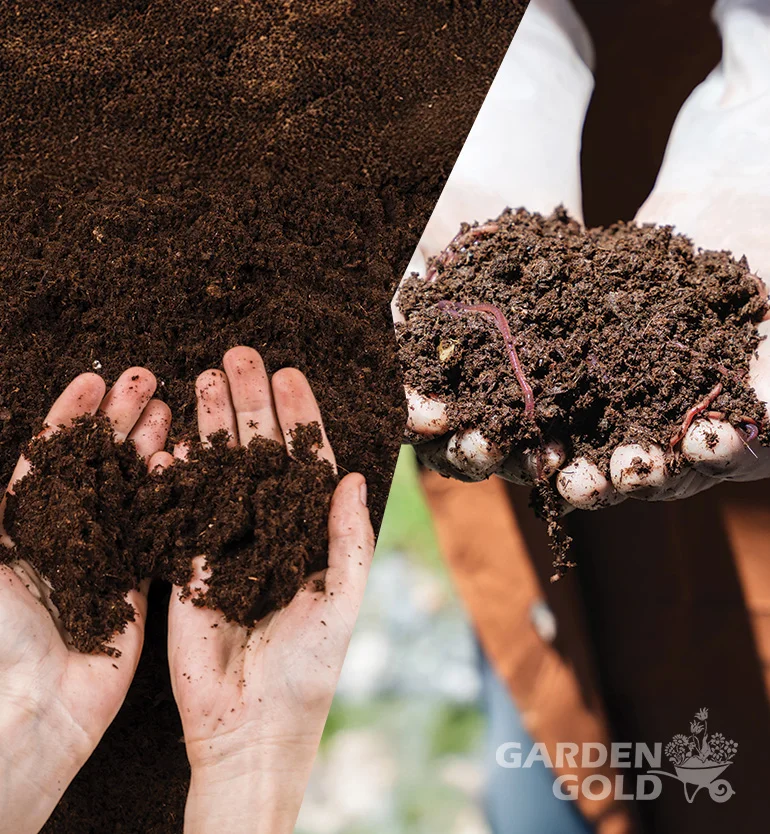
Understanding the Difference Between Composting and Vermicomposting Home / May 13, 2025 vermi_admin As the world shifts toward eco-conscious living and organic farming, sustainable waste management techniques are gaining momentum. Two of the most effective methods for turning kitchen and garden waste into valuable organic fertilizer are composting and vermicomposting. While both processes serve a similar purpose, converting waste into soil-enriching material, they differ significantly in method, speed, and nutrient quality. In this article, we’ll break down the essential difference between composting and vermicomposting to help you choose the right solution for your garden or farm. What is Composting? Composting is a natural decomposition process where microorganisms (bacteria and fungi) break down organic matter such as food scraps, dried leaves, and grass clippings into humus. This nutrient-rich material improves soil health. Key Features of Traditional Composting: Microbial-driven decomposition Requires balancing “greens” (wet waste) and “browns” (dry matter) Needs turning and aeration for proper breakdown Composting typically takes 2 to 6 months Can be done in open pits, compost bins, or heaps What is Vermicomposting? Vermicomposting is an enhanced composting process that uses earthworms, typically red wigglers (Eisenia fetida), to break down organic material. These worms consume the waste and produce vermicast, a nutrient-dense, microbe-rich form of compost often called “black gold” by gardeners. Key Features of Vermicomposting: Accelerated decomposition using earthworms Yields highly fertile vermicast in 30 to 60 days Requires controlled moisture and temperature Minimal odour and mess if managed properly Key Differences at a Glance Here’s a simplified table showing the difference between composting and vermicomposting: Feature Composting Vermicomposting Decomposition Agent Bacteria & Fungi Earthworms + Microbes Time Required 2–6 months 1–2 months Nutrient Content Moderate Very high Setup Environment Outdoor preferred Indoor/outdoor possible Maintenance Regular turning needed Needs moisture/temp control Best For Garden waste, bulk material Nutrient-rich leftovers, high-value crops Benefits of Composting: Low setup cost Handles large, fibrous waste Good for backyards Benefits of Vermicomposting: Richer in nitrogen, phosphorus, and potassium Improves microbial activity in soil Faster results, especially for smaller households or balcony gardens Whether you choose composting or vermicomposting depends on your waste type, available space, and how quickly you want results. The process of vermicomposting, which involves using earthworms to break down organic waste, is widely favored for its efficiency, faster results, and the superior quality of compost it produces. Understanding the difference between the two helps ensure you select the most effective system for your lifestyle or agricultural practice. Which one is Right: Vermicompost OR compost? Choose composting if you want a simple, outdoor method for processing garden waste over time. Opt for vermicomposting if you’re looking for a faster, high-nutrient solution, especially for vegetables, potted plants, or flower beds. Some people even use both systems together, starting with composting and then finishing with vermicomposting for superior soil conditioning. Closing Thoughts Adopting either composting or vermicomposting is a step toward more sustainable living. Both methods reduce waste, improve soil health, and support organic farming. By understanding how each works, you can maximize your resources and reduce your carbon footprint. If you’re just starting or looking to elevate your organic growing efforts, consider sourcing high-quality, chemical-free vermicompost from a reliable local manufacturer. Whether you’re a farmer, nursery owner, or home gardener, choosing the right vermicompost can make a big difference in plant health and soil vitality.
How to Choose the Best Vermicompost Manufacturer for Your Needs
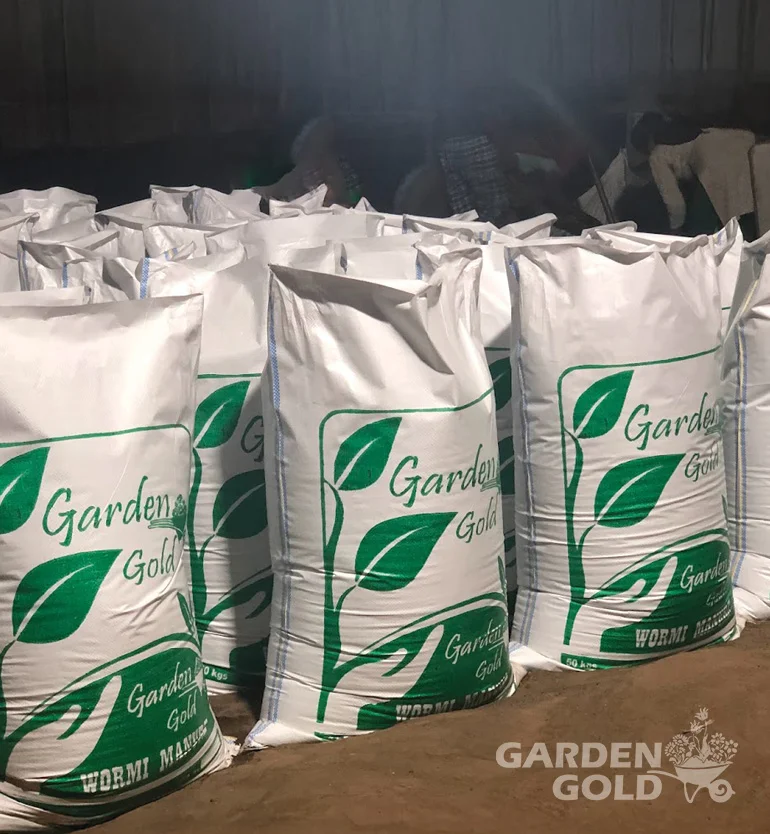
How to Choose the Best Vermicompost Manufacturer for Your Needs Home / April 14, 2025 vermi_admin If you’re a farm, nursery, landscaping contractor, or agri-business that purchases vermicompost in bulk, finding the right manufacturer is critical. The quality, consistency, and reliability of your vermicompost supplier can directly impact your yield, soil health, and overall profitability. But not all vermicompost manufacturers offer the same value. In this blog, we’ll guide you through the key factors bulk buyers should consider when selecting the best vermicompost manufacturer for long-term supply and trust. 1. Evaluate the Manufacturer’s Production Process As a bulk buyer, you need a consistent, nutrient-rich product that supports high performance across acres of land. Before placing an order, understand how the manufacturer produces their vermicompost: Earthworm-Based Composting: Ensure the compost is created using natural earthworm digestion, not just decomposed organic waste. Sustainable Practices: Choose a supplier that uses organic raw materials and adopts eco-friendly production processes. Transparency: Look for manufacturers who are open about their process and ready to provide details when asked. Tip: Ask for samples or visit the facility (if possible) before committing to large orders. 2. Review Product Specifications in Detail A professional manufacturer should provide clear and detailed product documentation with every batch. As a bulk buyer, you should verify: Ingredients: Ensure the compost is made from high-quality organic matter, free from synthetic chemicals or urban waste. Nutrient Profile: The vermicompost should include NPK values and other trace minerals essential for your crops. Moisture Content & Texture: These should be consistent – ideal moisture is around 20 – 25% for field application. Tip: Consistency in these specifications ensures predictability in your farm or nursery operations. 3. Check Certifications and Compliance Bulk buyers should only work with suppliers who have the necessary certifications, as this reflects their commitment to quality: Organic Certification: Verifies the product is suitable for organic farming. ISO or GMP Certification: Indicates standardized processes and quality control. Sustainability Badges: Such as eco-certifications or local agri-board approvals, show responsibility toward the environment. Tip: Certifications give you peace of mind and help maintain credibility in your own supply chain. 4. Ensure Batch-to-Batch Quality Consistency One of the biggest concerns in bulk buying is inconsistency across deliveries. Your chosen manufacturer should: Follow strict quality control protocols for every batch. Offer lab reports on nutrient content, if requested. Be open to third-party testing or on-site quality checks. Tip: Don’t hesitate to ask for references or testimonials from other bulk buyers. 5. Assess Packaging & Logistics Capability For bulk orders, delivery reliability and packaging are critical. The manufacturer should be equipped to: Deliver on time, especially during planting seasons. Use strong, eco-friendly packaging that keeps the compost intact during long-distance transport. Provide clear logistics coordination and shipment tracking. Tip: Confirm whether they can handle repeated large volumes without delays. 6. Look for Responsive Customer Support A manufacturer’s ability to quickly respond to your queries, provide documentation, and resolve issues is just as important as product quality. Ideal traits include: Dedicated bulk order contact or manager Prompt email/phone response Willingness to customize deliveries as per your farm’s needs Tip: A proactive and cooperative support team can save you time and hassle. 7. Competitive Pricing & Bulk Discounts Price matters but not at the cost of quality. Compare manufacturers not just on rates but also on value for money. Consider: Transparent pricing with no hidden charges Bulk order discounts or loyalty programs Flexible payment terms for recurring buyers Tip: The best supplier is one who offers sustainable pricing while maintaining consistent quality. Final Thoughts: Build a Long-Term Relationship Choosing the right vermicompost manufacturer for bulk orders is about more than a one-time purchase. You’re looking for a dependable partner who supports your soil health, your business goals, and your timeline. By focusing on production quality, certifications, consistency, logistics, and responsive service, you can confidently build a lasting relationship with a manufacturer who understands bulk buyer needs. Looking for a trusted bulk vermicompost supplier? Start with Garden Gold – where consistency, purity, and service meet.📞 Contact us for bulk order: +91 94265 67778
