
Garden Gold Organic Manure: 15 Years of Trusted Vermicompost Manufacturing in Gujarat
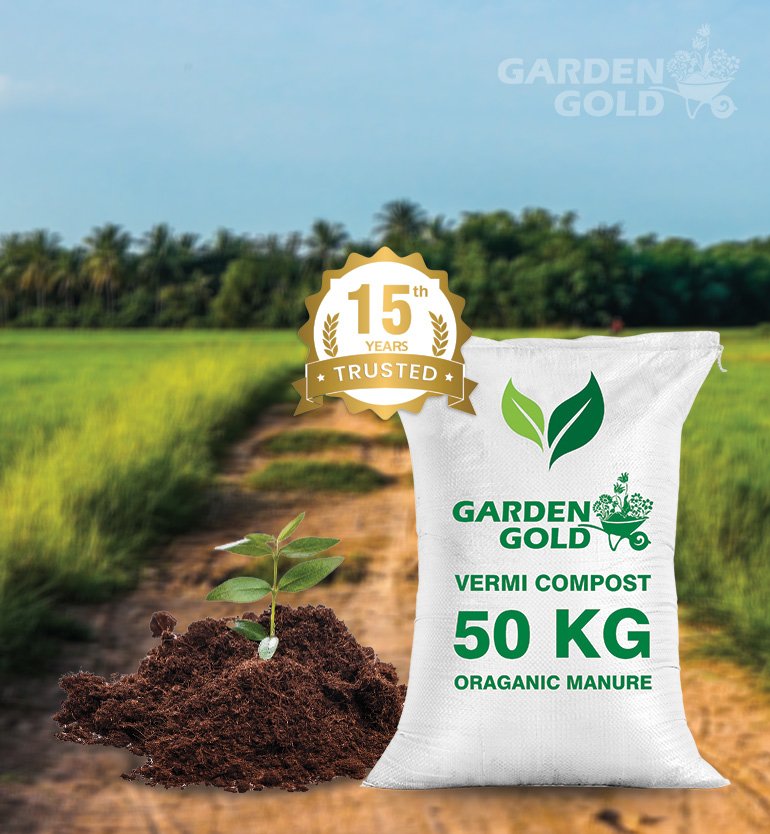
Garden Gold Organic Manure: 15 Years of Trusted Vermicompost Manufacturing in Gujarat Home / November 25, 2025 vermi_admin Garden Gold Organic Manure has been one of Gujarat’s most trusted vermicompost manufacturers for the last 15 years. With a six-vigha production farm and a capacity of over 500 tonnes every month, we supply high-quality compost to farmers, nurseries, landscapers, architects, organic growers, real estate developers and many other sectors across the state. Our approach has always been simplePure Inputs → Scientific Process → Consistent Quality → Timely Service 1. What Makes Garden Gold Different We use only pure cow dung. Nothing else.Every batch is processed scientifically to maintain uniform texture, high nutrient levels and strong microbial activity. For faster composting, we use the globally recognised Eisenia Fetida earthworm species. These worms offer• High compost conversion• Rich nutrient profile• Excellent humus content• Odourless, black granular output This results in vermicompost that is• Highly porous• Rich in NPK and micronutrients• Great for root growth• Suitable for sandy, clay and alkaline soils 2. Large Production Capacity for Bulk Requirements Our six-vigha farm is designed for continuous production with• Row-wise vermi beds• Dedicated curing and processing zones• Clean, well-maintained environment• Shade structures and water facilities for worm protection With a capacity of 500 plus tonnes a month, we efficiently supply• Plantations• Commercial nurseries• Government projects• Municipal landscaping• Organic farms• Corporate farming• Construction and greenbelt projects 3. Quality that Shows in Every Bag We pack our vermicompost in: 5 kg For home gardens and nurseries 25 kg Ideal for landscapers and contractors 50 kg The preferred choice for farmers and bulk buyers All bags are moisture-resistant, durable, well labelled and weight-verified.We also offer OEM and white-label packaging across Gujarat, Maharashtra, and Rajasthan. 4. Who We Serve Over the years, Garden Gold has become a trusted name for:• Garden nurseries• Landscapers and architects• Agriculture retailers and distributors• Real estate and construction companies• Organic farmers and horticulture growers• NGOs, institutions and government plantation projects Clients appreciate us for consistent quality, no adulteration, smooth communication and reliable long-term supply. 5. Transparent and Scientific Process Visitors are welcome to see our production process, which includes: Fresh cow dung collection and pre-decomposition Preparing uniform, aerated vermi beds Introducing Eisenia Fetida worms A controlled 40 to 60-day composting cycle Sieving to get clean and fine granules Packing, stitching and dispatch 6. Service You Can Rely On We ensure• Transport across Gujarat• Same or next day dispatch• Bulk bookings• Hassle-free loading Our logistics network is planned to deliver on time, especially during peak planting seasons. 7. Why Garden Gold is Trusted for 15 Plus Years • 500 plus tonnes monthly capacity• Pure cow dung, no mixing• Scientific and clean production• Six vigha dedicated farm• Premium Eisenia Foetida worms• 5 kg, 25 kg, 50 kg packaging• OEM and white label options• Wide distributor network• Transparent and timely service Conclusion If you need vermicompost that delivers consistent performance, Garden Gold Organic Manure is the dependable choice. For farmers, nurseries, landscapers, architects, and contractors across Gujarat, our vermicompost stands for purity, reliability, and quality that truly make a difference. Previous PostNext Post
How Much Vermicompost is Needed Per Acre? A Complete Guide for Farmers
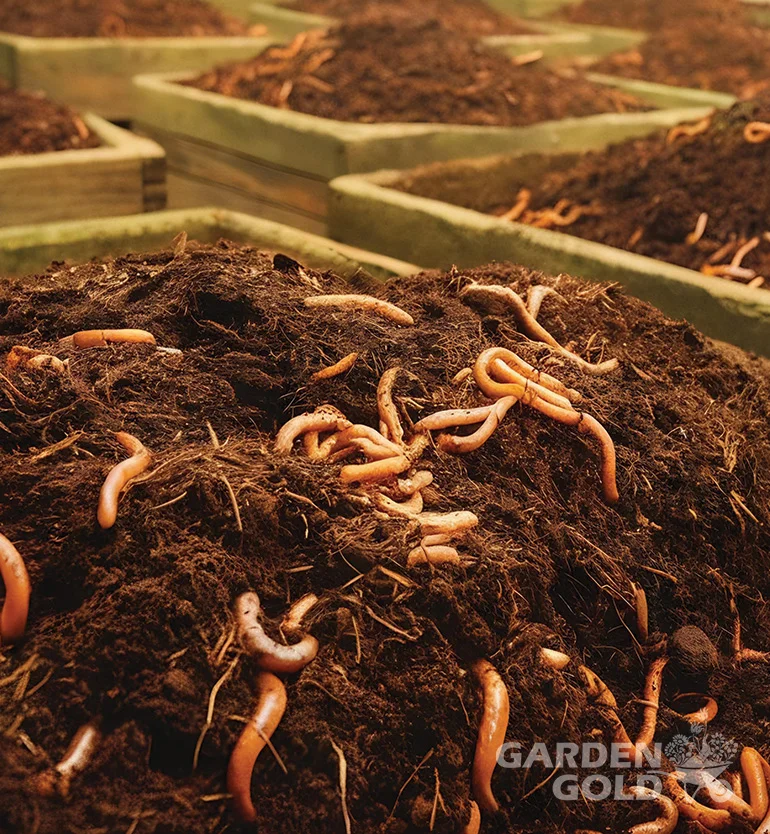
How Much Vermicompost is Needed Per Acre? A Complete Guide for Farmers Home / April 14, 2025 vermi_admin Vermicompost is an organic, nutrient-dense fertilizer created through earthworm’s breakdown of organic matter. It enhances soil structure, supports plant growth, and encourages sustainable farming practices. Understanding how much vermicompost per acre is required for optimal crop growth is crucial for farmers. The ideal quantity can vary depending on crop type, soil condition, and growth stage. Let’s explore the right amount of vermicompost for different crops and how to apply it effectively for maximum benefit. Why Vermicompost is Essential for Your Crops Vermicompost is a powerhouse of nutrients such as nitrogen, phosphorus, and potassium, critical for plant growth. It improves soil aeration, enhances water retention, and boosts microbial activity, resulting in healthier, more resilient crops. By incorporating vermicompost into your farming practices, you can reduce the need for synthetic fertilizers and promote long-term soil health. It’s an eco-friendly, sustainable choice for farmers aiming to enhance crop yields and overall farm productivity. How Much Vermicompost Per Acre Should You Apply? The amount of vermicompost per acre depends on factors like soil quality, crop type, and specific growth stages. Below are general guidelines to help determine the right amount of vermicompost for various crops: 1. Field Crops (Wheat, Rice, Maize, etc.) Quantity: 1 to 2 tons (2,000 to 4,000 kg) per acre.Application: Mix the vermicompost into the soil during field preparation or apply it as a top dressing at the start of the growing season. This will help improve soil fertility, encouraging healthy root development and strong crop growth.
Uses of Vermicompost: A Problem-Solving Guide for Gardeners, Farmers, and Nursery Caretakers

Uses of Vermicompost: A Problem-Solving Guide for Gardeners, Farmers, and Nursery Caretakers Home / October 21, 2024 vermi_admin What is Vermicompost? Vermicompost is an organic fertilizer produced by the breakdown of organic matter through the digestive system of earthworms. These worms consume decomposing plant and food waste, and the nutrient-rich castings they excrete are a natural fertilizer. Vermicompost contains vital nutrients such as nitrogen, phosphorus, and potassium and is teeming with beneficial microbes, making it an excellent soil conditioner. Unlike synthetic fertilizers, it improves soil structure and promotes sustainable gardening practices. Advantages of Vermicompost Vermicompost offers several advantages: Nutrient-rich: It enhances the soil’s nutrient content with essential minerals like nitrogen, potassium, and magnesium. Improves soil structure: Vermicompost loosens compact soil, allowing better root growth and aeration. Water retention: It enhances soil’s water-holding capacity, reducing the need for frequent watering. Sustainability: As an organic material, vermicompost contributes to waste reduction and eco-friendly farming. Supports beneficial organisms: Vermicompost boosts the presence of earthworms, fungi, and bacteria that further improve soil health. How to Use Vermicompost Vermicompost can be applied in various ways depending on your gardening or farming needs: Top Dressing: Sprinkle vermicompost around the base of plants and lightly rake it into the soil. This method is excellent for lawns, gardens, and even potted plants. Soil Amendment: Mix vermicompost directly into the soil before planting. This will help create a nutrient-rich environment for seeds and young plants to thrive. Compost Tea: You can create a liquid fertilizer by soaking vermicompost in water. This “compost tea” can be used to water plants and offers a quick nutrient boost. Uses of Vermicompost in Agriculture For farmers, the uses of vermicompost are immense. When applied to agricultural fields, Vermicompost can restore depleted soils, increasing crop yields. It also enhances root growth, making plants more resilient to drought and disease. Farmers using vermicompost report improvements in soil fertility and plant productivity, all while reducing the need for chemical fertilizers. Boosting organic matter in the soil contributes to better water retention, reducing irrigation frequency. Uses of Vermicompost in Gardens Gardeners can significantly benefit from incorporating vermicompost into their flower beds and vegetable patches. Whether used as a top dressing or mixed into the soil, vermicompost enriches the garden environment, providing plants with slow-release nutrients and encouraging vibrant growth. Flowers bloom more profusely, and vegetables develop better flavours and sizes. Plus, the improved soil texture helps plants establish stronger root systems. Uses of Vermicompost in Plant Nurseries For nursery caretakers, vermicompost is an ideal growing medium. Seedlings and saplings raised in vermicompost-enriched soils tend to be healthier, grow faster, and have a greater survival rate after transplantation. The steady release of nutrients supports uniform growth, and the increased microbial activity boosts plant immunity, making them less susceptible to pests and diseases. FAQ How is vermicompost different from regular compost? Vermicompost differs from regular compost because it involves the digestive action of earthworms, which produce nutrient-rich castings. While regular compost decomposes organic matter through microbial processes, vermicompost has more beneficial microbes and its nutrient profile is generally higher. Can anyone use vermicompost? Yes, vermicompost is user-friendly and suitable for a variety of applications. It’s a safe and effective option for gardeners, farmers, and nursery caretakers. Even novice gardeners can apply it without the risk of harming plants, as it doesn’t burn plant roots like some chemical fertilizers can. What are the properties of vermicompost? Vermicompost is high in essential nutrients like nitrogen, potassium, and phosphorus. It’s also rich in beneficial microorganisms that improve soil health. The organic matter in vermicompost improves soil aeration and moisture retention, making it highly valuable for plant growth. Is vermicompost suitable for potted plants? Yes, vermicompost is excellent for potted plants. It provides essential nutrients and improves the potting mix’s structure, promoting better drainage and aeration. A small amount mixed into potting soil or used as a top dressing will boost plant health and growth. In conclusion, vermicompost’s uses span various domains—home gardens and plant nurseries to large-scale farms. Its ability to enrich soil naturally, improve plant growth, and offer long-term soil fertility makes it an invaluable resource for cultivating healthier, more productive plants. Using vermicompost, gardeners, farmers, and nursery caretakers can adopt a more sustainable and practical approach to soil management.
Seasonal Organic Vegetables in Anand, What to Grow and Eat Throughout the Year

Seasonal Organic Vegetables in Anand, What to Grow and Eat Throughout the Year Home / August 30, 2024 vermi_admin Vermicomposting is the process of using worms to break down organic refuse material into a nutrient-rich compost. Vermicomposting offers several environmental benefits, which finally result in a valuable soil amendment product. It plays an important role in mitigating climate change through waste reduction, methane gas reduction, improved soil health, carbon sequestration, and water conservation. This process is gaining momentum, especially in a city like Anand(Mogar), where people are becoming more and more aware of the benefits of organic vegetables and therefore demanding more of it. Some of the benefits include Waste Reduction Probably the most immediate advantage of vermicomposting is waste reduction. Organic wastes contribute to a great deal of landfill mass. As organic wastes decay in landfills, they become very potent producers of methane, a greenhouse gas. Vermicomposting diverts this waste from landfills and turns it into a valuable compost instead. In this way, not only is the volume of waste reduced, but so are methane emissions, thus directly helping to mitigate climate change. Methane Gas Reduction Landfills turn out to be large emitters of methane, which has 25 times more potent global warming potential than carbon dioxide. Vermicomposting can efficiently reduce the quantity of refuse that goes to landfills, thereby saving a lot of methane production. This reduction in methane emissions thus becomes an important step toward mitigation of climate change, helping to bring down the total levels of GHGs in the atmosphere. Soil Health and Carbon Sequestration Vermicompost contains plenty of essential nutrients and beneficial microorganisms, which help improve soil health and fertility. Healthy soils thus form the backbone of carbon sequestration, the process of removing carbon dioxide from the atmosphere and storing it in soils. Vermicompost organic matter helps in enhancing soil structure and giving it more potential to store additional carbon. Through its effect on soil health and carbon sequestration, vermicomposting thus lowers atmospheric carbon dioxide levels associated with climate change. Water Conservation Vermicomposting helps in water conservation. Soils enriched by vermicompost have greater water retention capacity, reducing the frequency of irrigations. This is quite important for areas in arid regions or where there is a shortage of water. Vermicomposting improves the moisture retention of the soil, which helps in conserving the water resource, hence it is a sustainable practice in agriculture and gardening. Local Impact: Organic Vegetables in Vadodara Increasingly, organic farming methods, including vermicomposting, have been adopted in Anand for the growth of organic vegetables. Maybe this trend is because people are getting more aware about the benefits of organic produce to health and the environment. Organic vegetables do not include synthetic pesticides or fertilizers in their growth process; hence, they are much healthier to consume for people and the environment. Vermicompost in organic farming is thus not only a means of enhancing fertility but also a way of adopting sustainable agricultural practices that ultimately reduce dependence on chemical inputs in agriculture. To Summarize Vermicomposting is linked to various environmental benefits, including waste reduction, methane gas reduction, improved soil health, carbon sequestration, and water conservation. Vermicomposting is an activity whereby people, at the community and farm level, can contribute to waste management, mitigation of climate change, and promoting sustainable agriculture. Increased popularity of organic vegetables in Vadodara elaborates on the raising awareness and the result of adopting organic methods. The more people who jump on board to embrace vermicomposting, the more we all can work toward a resilient, sustainable future.
