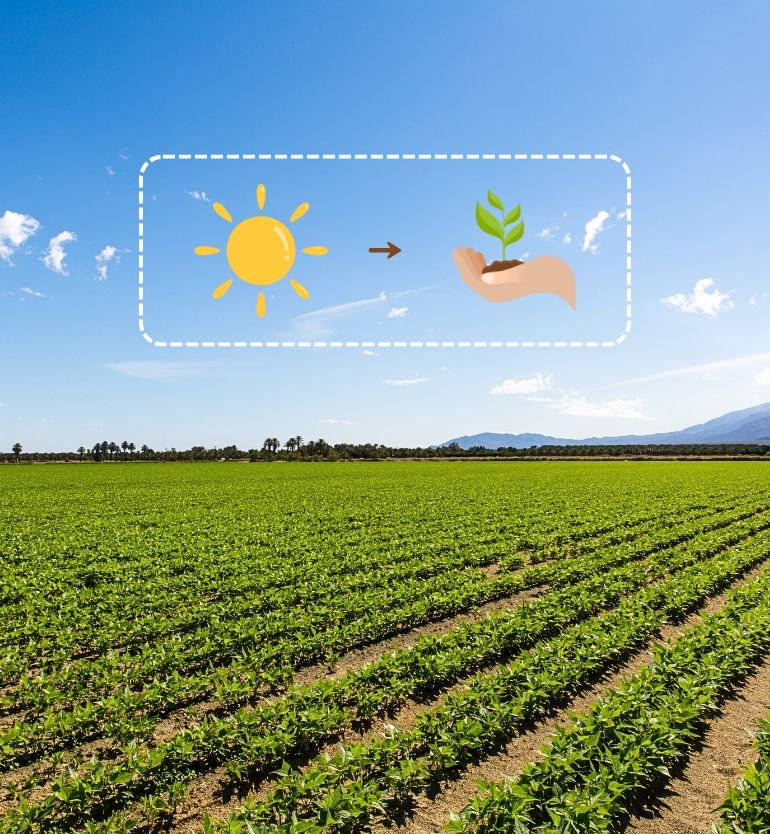
Summer places intense pressure on soil and plant health. Rising temperatures, rapid moisture loss, and compacted soil often weaken roots and slow plant growth. During these months, the soil needs more than basic nutrition. It needs structure, moisture balance, and biological support. This is where vermicompost for plants becomes an essential part of summer soil care.
Vermicompost is a natural organic manure produced through earthworm activity. It enriches soil with nutrients, beneficial microbes, and organic matter that help plants remain resilient under heat stress. When used correctly during summer, vermicompost supports stronger roots, cooler soil conditions, and steady plant growth.
Unlike chemical fertilizers that may increase soil temperature and cause nutrient stress, vermicompost works gently and improves soil health over time. Its benefits become more visible during hot weather when soil conditions deteriorate quickly.
Vermicompost helps by:
These qualities make vermicompost for plants particularly effective during summer.
Roots are the first to suffer during summer stress. Hard, dry soil limits oxygen and water movement, leading to weak nutrient absorption. Vermicompost improves soil structure by increasing organic matter and porosity, allowing better airflow and deeper water penetration.
The organic content also acts as a natural temperature buffer, reducing heat fluctuations around the root zone and helping plants remain active throughout the season.
Vermicompost and worm bins should always be kept in shaded, well-ventilated areas. Direct sunlight can overheat compost, harming beneficial microbes.
When applying vermicompost to soil, choose early morning or late evening hours to reduce heat exposure and improve nutrient absorption.
Soil treated with vermicompost should remain evenly moist, similar to a wrung-out sponge. Summer heat causes moisture to evaporate quickly, so regular monitoring is essential.
Avoid overwatering, as waterlogged soil reduces oxygen availability and stresses roots.
Covering vermicompost-treated soil with organic mulch helps retain moisture and keeps the soil cooler. Mulch supports soil organisms and reduces quick drying.
Dry leaves, straw, grass cuttings, and other garden residues are suitable mulch options.
Early morning watering reduces evaporation and allows moisture to reach deeper roots. Deep, less frequent watering encourages stronger root development than shallow, daily watering.
For those producing vermicompost, adding too much organic waste can raise temperatures and disrupt worm activity. Meat, dairy, oily food, and cooked waste should be avoided.
Stick to vegetable scraps, fruit peels, dry leaves, and paper to maintain a stable compost environment.
Never leave vermicompost or treated soil exposed to harsh sunlight for extended periods. Excessive heat dries organic matter and reduces microbial effectiveness.
Always mix vermicompost into the soil or protect it with mulch.
The performance of vermicompost for plants depends largely on product quality and maturity. Immature or poorly processed vermicompost may retain excess heat or release nutrients unevenly, increasing plant stress during summer.
High-quality vermicompost offers:
Vermicompost produced by Garden Gold is processed under controlled conditions using quality organic inputs. This ensures a mature, nutrient-rich product that performs consistently even during peak summer temperatures.
This guide makes vermicompost application simple, practical, and effective for farmers, nursery owners, landscapers, and garden enthusiasts during summer. With proper moisture management, shading practices, and quality selection, vermicompost helps maintain healthier roots and supports stronger plant growth even under heat stress.
With vermicompost for plants sourced from reliable producers like Garden Gold, you are not simply nourishing plants. You are improving soil structure, protecting root systems, and building sustainable growth that continues well beyond the summer season.
Vermicompost for plants is an organic manure made by earthworms that improves soil structure, moisture retention, and nutrient availability.
Yes, vermicompost helps retain moisture, reduce heat stress, and keep roots healthy during summer.
Apply vermicompost every 30 to 45 days in moderate quantities for best results.
Store vermicompost in a cool, shaded, and well-ventilated place.

WhatsApp us
