
Top 10 Benefits of Vermicompost for Your Plants
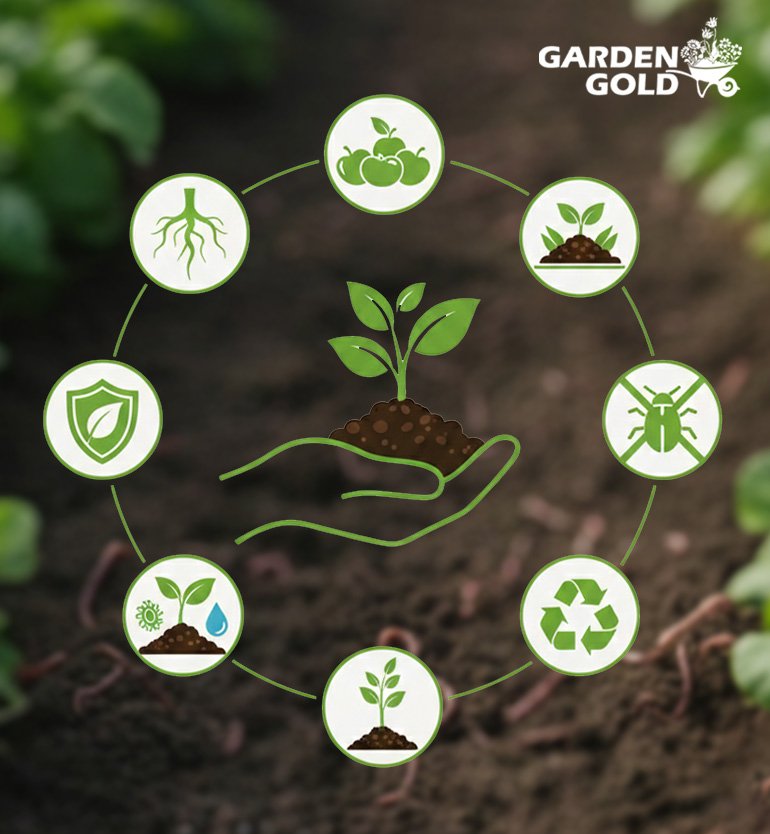
Top 10 Benefits of Vermicompost for Your Plants Home / February 24, 2026 vermi_admin Healthy plants begin with healthy soil. While chemical fertilizers may deliver quick visible results, they often fail to improve long-term soil structure and biological balance. This is where vermicompost stands out as a natural, sustainable, and highly effective solution for plant growth. Vermicompost is an organic manure created through the controlled breakdown of organic matter by earthworms. It is rich in plant-available nutrients, beneficial microbes, enzymes, and organic matter that significantly improve soil fertility and plant performance. Whether you are a farmer, gardener, nursery owner, or landscaper, incorporating high-quality vermicompost into your soil management routine can make a measurable difference. At Garden Gold Organic Manure, vermicompost is produced under carefully managed conditions to ensure maturity, consistency, and nutrient stability, making it suitable for a wide range of agricultural and gardening applications. Let us explore the top 10 benefits of vermicompost for your plants. 1. Improves Soil Structure Vermicompost enhances soil texture by increasing organic matter content. It improves soil aggregation, allowing better root penetration and smoother water movement. In sandy soils, it improves moisture retention, while in clay soils, it enhances aeration and drainage. Consistently processed vermicompost, like that offered by Garden Gold Organic Manure, ensures a uniform texture for easy mixing and effective soil conditioning. 2. Enhances Nutrient Availability One of the key benefits of vermicompost is its naturally balanced nutrient profile. It contains essential macro- and micronutrients, such as nitrogen, phosphorus, potassium, calcium, and magnesium, in forms that plants can absorb efficiently. Nutrients are released gradually, reducing the risk of root burn. 3. Boosts Microbial Activity Vermicompost is biologically active and rich in beneficial microorganisms. These microbes break down organic matter, convert nutrients into plant-available forms, and help suppress harmful soil pathogens. Healthy microbial activity leads to productive and living soil. 4. Improves Water Retention Soil treated with vermicompost retains moisture more effectively. This reduces irrigation frequency and helps plants survive dry conditions. Improved water retention is especially beneficial during summer and in regions with irregular rainfall. 5. Promotes Strong Root Development Healthy roots are the foundation of strong plants. Vermicompost improves soil porosity and oxygen availability, encouraging deeper and stronger root systems. Well-developed roots enhance nutrient uptake and plant stability. 6. Increases Plant Growth and Yield Regular application of vermicompost supports consistent plant growth and often leads to improved flowering and crop yield. Balanced nutrition and better soil conditions contribute to vigorous plant performance. 7. Enhances Resistance to Pests and Diseases The biological compounds and microbes present in vermicompost help strengthen plant immunity. A healthier soil ecosystem reduces the chances of soil-borne diseases and pest-related stress. 8. Reduces Dependence on Chemical Fertilisers Vermicompost provides a natural and reliable source of nutrients, allowing growers to reduce chemical fertilizer usage over time. This not only lowers input costs but also protects soil from long-term chemical damage. 9. Helps Maintain Soil pH Balance Vermicompost contributes to stabilizing soil pH levels. Balanced pH improves nutrient absorption and supports beneficial microbial life. 10. Supports Long-Term Soil Sustainability Unlike synthetic fertilizers that may degrade soil health, vermicompost builds fertility year after year. Continuous use improves soil structure, biological activity, and long-term productivity. How to Use Vermicompost Effectively For best results: Apply 2 to 3 tons per acre for field crops before sowing. Use 100 to 500 grams per pot, depending on plant size. Apply 2 to 3 kg per 10 square meters for lawns. Follow application with light irrigation to activate nutrients. Using a consistent and well-processed product from a trusted source like Garden Gold Organic Manureensures reliable performance across different soil types and crops. Why Vermicompost from Garden Gold Organic Manure Makes a Difference Not all vermicompost products are the same. Quality, maturity, and processing standards directly affect results. Garden Gold Organic Manure focuses on producing stable, nutrient-rich, and mature vermicompost using carefully selected organic inputs and controlled earthworm systems. This commitment to quality ensures: Uniform nutrient distribution High microbial activity Safe and mature compost ready for immediate use Reliable results for farmers, nurseries, and home gardeners Final Thoughts The benefits of vermicompost extend far beyond short-term fertilization. It improves soil life, enhances moisture efficiency, strengthens root systems, and supports sustainable agriculture. By choosing high-quality vermicompost, you are investing in long-term soil health and consistent plant performance. With vermicompost from Garden Gold Organic Manure, you are not just feeding your plants. You are building healthier soil, improving productivity, and supporting sustainable growth for years to come. How often should vermicompost be applied? For field crops, apply before sowing. For gardens and pots, reapply every 30 to 45 days, depending on plant growth and soil condition. Can vermicompost replace chemical fertilizers? It can significantly reduce the need for chemical fertilizers. With regular use, soil fertility improves naturally over time. Is vermicompost safe for all plants? Yes, mature vermicompost is safe for vegetables, fruits, flowers, lawns, and indoor plants due to its slow nutrient release. How do I choose the best organic compost for my potted plants? Choose compost that is mature, odor-free, finely textured, and rich in organic matter. A reliable source like Garden Gold Organic Manure ensures consistent quality and safe use for pots. Previous Post
Why Organic Vermicompost is the Future of Sustainable Agriculture
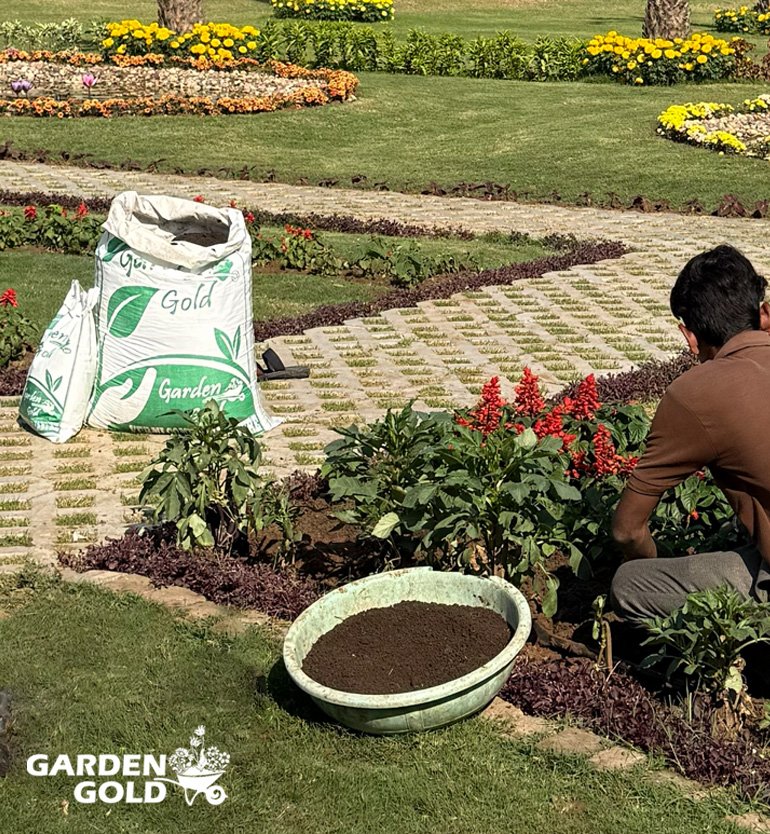
Why Organic Vermicompost is the Future of Sustainable Agriculture Home / February 24, 2026 vermi_admin Agriculture is evolving. For decades, productivity was driven by heavy chemical inputs aimed at maximizing short-term output. While this approach increased yields temporarily, it also caused declining soil fertility, reduced biodiversity, nutrient imbalance, and rising environmental concerns. Today, the focus has shifted from “How much can we produce?” to “How sustainably can we produce it?” In this transition, Organic Vermicompost has emerged as one of the most effective and practical solutions for building regenerative and sustainable farming systems. Organic Vermicompost offers a powerful balance between crop productivity, soil restoration, environmental protection, and long-term profitability. It strengthens the foundation of agriculture by rebuilding soil health rather than exhausting it. The Growing Need for Sustainable Agriculture Modern agriculture faces serious challenges: Declining soil organic carbon levels Reduced microbial activity in farmland Increasing pest and disease resistance Rising fertilizer and input costs Water contamination and soil pollution Excessive dependence on synthetic fertilizers may deliver quick results, but it often damages soil structure and weakens the natural biological ecosystem. Sustainable agriculture focuses on restoring soil vitality, conserving natural resources, and maintaining consistent productivity. This is exactly where Organic Vermicompost plays a transformative role. What Makes Organic Vermicompost Different Organic Vermicompost is produced when earthworms naturally break down organic matter into a nutrient-rich, biologically active soil amendment. The result is not just compost, but a living soil enhancer containing: Balanced macro and micronutrients Humic and fulvic substances Plant growth-promoting compounds Beneficial microorganisms Unlike chemical fertilizers that feed plants directly, Organic Vermicompost feeds the soil ecosystem. It improves soil biology, which in turn supports healthier plant growth. High-quality Organic Vermicompost produced by Garden Gold Organic Manure is processed under controlled conditions to ensure maturity, nutrient stability, and microbial richness. This ensures consistent performance across different soil types and crops. How Organic Vermicompost Restores Soil Health Improves Soil Structure Organic Vermicompost enhances soil aggregation and porosity. Sandy soils retain more moisture, and clay soils become better aerated and easier to manage. Improved structure allows deeper root penetration and better nutrient uptake. Increases Organic Carbon Soil organic carbon is critical for long-term fertility. Organic Vermicompost adds stable organic matter that rebuilds carbon levels and improves soil resilience against erosion and degradation. Boosts Beneficial Microorganisms Healthy soil depends on microbial diversity. Organic Vermicompost introduces beneficial bacteria and fungi that convert nutrients into plant-available forms while suppressing harmful pathogens. Supporting Consistent and Sustainable Crop Productivity Sustainable farming must maintain yield while reducing environmental damage. Organic Vermicompost provides slow-release nutrients that remain available over time, preventing nutrient shock or leaching. Farmers using Organic Vermicompost often observe: Improved seed germination Stronger root development Better flowering and fruiting Enhanced crop quality Stable and consistent yields Because nutrients are released gradually, plants experience balanced growth instead of sudden spikes. Reducing Chemical Dependency and Input Costs One of the strongest advantages of Organic Vermicompost is its ability to reduce reliance on synthetic fertilizers. By improving soil structure and biological activity, it reduces the need for: High nitrogen fertilizer application Chemical soil conditioners Excessive irrigation Lower chemical dependency means lower long-term input costs and improved profitability. Over time, healthier soil requires fewer corrective measures. Environmental Benefits of Organic Vermicompost Sustainable agriculture must protect ecosystems while maintaining production. Organic Vermicompost contributes by: Recycling agricultural and organic waste Minimizing chemical runoff into water bodies Reducing soil pollution Supporting circular farming systems Converting organic waste into valuable soil nutrients, it promotes environmentally responsible farming practices. Strengthening Climate Resilience in Farming Climate unpredictability, including drought and extreme rainfall, is a growing concern. Organic Vermicompost improves soil water-holding capacity while maintaining proper drainage. Healthy soils enriched with Organic Vermicompost are more resistant to: Moisture stress Temperature fluctuations Nutrient loss due to heavy rainfall This resilience makes farming systems more stable and sustainable in changing climate conditions. Practical Application of Organic Vermicompost For best results: Apply 2 to 3 tons per acre for field crops before sowing Use moderate and regular applications rather than heavy doses Combine with crop rotation and organic farming practices Follow the application with light irrigation Using mature and well-processed Organic Vermicompost from reliable producers like Garden Gold Organic Manure ensures uniform nutrient distribution and consistent results. Why Organic Vermicompost Represents the Future The future of agriculture depends on soil regeneration rather than soil exploitation. Organic Vermicompost supports: Long-term soil fertility Balanced nutrient management Reduced environmental impact Sustainable crop productivity Improved farmer profitability It offers a solution that is both environmentally responsible and economically practical. Conclusion Organic Vermicompost is more than an organic fertilizer. It is a foundation for regenerative and sustainable agriculture. By restoring soil biology, improving nutrient cycling, enhancing moisture retention, and reducing chemical dependency, it addresses the core challenges facing modern farming. As agriculture moves toward resilience, regeneration, and environmental responsibility, Organic Vermicompost stands at the center of this transformation. With high-quality, mature Organic Vermicompost from Garden Gold Organic Manure, farmers and growers are not simply feeding crops. They are rebuilding soil ecosystems, protecting natural resources, and investing in a sustainable agricultural future. The future of farming begins with healthy soil, and healthy soil begins with Organic Vermicompost. What is Organic Vermicompost and how is it different from regular compost? Organic Vermicompost is produced through earthworm activity, making it richer in nutrients, beneficial microbes, and growth-promoting compounds compared to traditional compost. How does Organic Vermicompost support sustainable agriculture? It rebuilds soil health, improves organic carbon levels, enhances microbial activity, and reduces dependence on chemical fertilizers, ensuring long-term productivity. Can Organic Vermicompost maintain crop yields? Yes, it provides slow-release nutrients that support steady plant growth, better root development, and consistent yields without harming soil structure. How much Organic Vermicompost should be applied per acre? Generally, 2 to 3 tons per acre before sowing is recommended, followed by light irrigation for nutrient activation. Does Organic Vermicompost help reduce farming input costs? Over time, it reduces the need for synthetic fertilizers, soil conditioners, and excessive irrigation, leading to lower input costs and
