
Vermicompost for Plants: Summer Care Guide for Healthy Soil and Roots
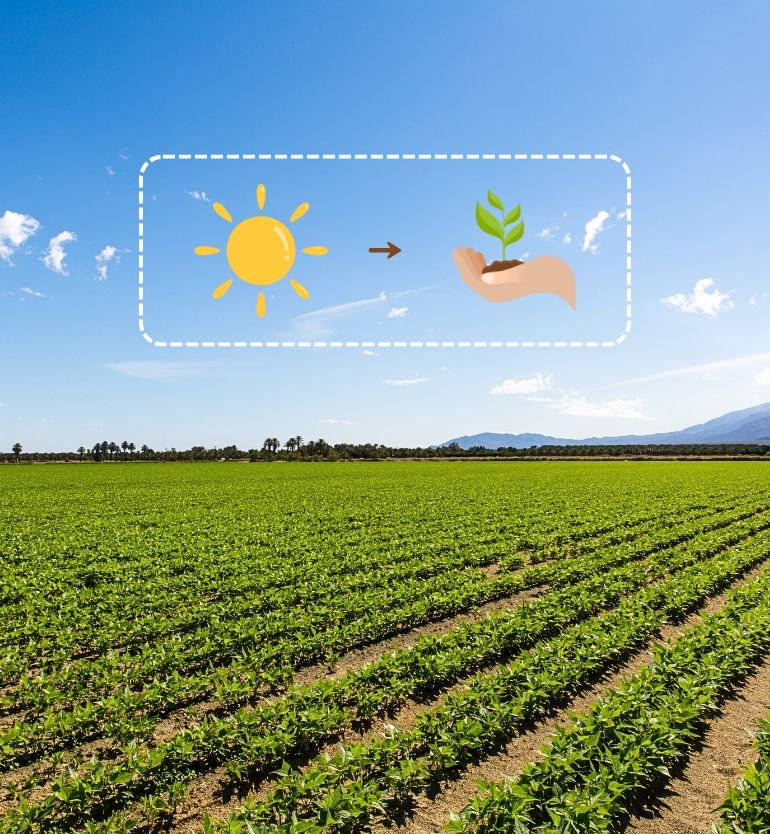
Vermicompost for Plants: Summer Care Guide for Healthy Soil and Roots Home / January 23, 2026 vermi_admin Summer places intense pressure on soil and plant health. Rising temperatures, rapid moisture loss, and compacted soil often weaken roots and slow plant growth. During these months, the soil needs more than basic nutrition. It needs structure, moisture balance, and biological support. This is where vermicompost for plants becomes an essential part of summer soil care. Vermicompost is a natural organic manure produced through earthworm activity. It enriches soil with nutrients, beneficial microbes, and organic matter that help plants remain resilient under heat stress. When used correctly during summer, vermicompost supports stronger roots, cooler soil conditions, and steady plant growth. Why Vermicompost Matters During Summer Unlike chemical fertilizers that may increase soil temperature and cause nutrient stress, vermicompost works gently and improves soil health over time. Its benefits become more visible during hot weather when soil conditions deteriorate quickly. Vermicompost helps by: Improving moisture retention in dry soils Reducing soil compaction and improving aeration Supporting microbial activity in warm conditions Strengthening root systems against heat stress Enhancing natural resistance to pests and diseases These qualities make vermicompost for plants particularly effective during summer. How Vermicompost Protects Roots in Hot Weather Roots are the first to suffer during summer stress. Hard, dry soil limits oxygen and water movement, leading to weak nutrient absorption. Vermicompost improves soil structure by increasing organic matter and porosity, allowing better airflow and deeper water penetration. The organic content also acts as a natural temperature buffer, reducing heat fluctuations around the root zone and helping plants remain active throughout the season. Summer Care Practices When Using Vermicompost Keep Compost and Soil Cool Vermicompost and worm bins should always be kept in shaded, well-ventilated areas. Direct sunlight can overheat compost, harming beneficial microbes. When applying vermicompost to soil, choose early morning or late evening hours to reduce heat exposure and improve nutrient absorption. Maintain Proper Moisture Levels Soil treated with vermicompost should remain evenly moist, similar to a wrung-out sponge. Summer heat causes moisture to evaporate quickly, so regular monitoring is essential. Avoid overwatering, as waterlogged soil reduces oxygen availability and stresses roots. Use Mulch Along With Vermicompost Covering vermicompost-treated soil with organic mulch helps retain moisture and keeps the soil cooler. Mulch supports soil organisms and reduces quick drying. Dry leaves, straw, grass cuttings, and other garden residues are suitable mulch options. Water at the Right Time Early morning watering reduces evaporation and allows moisture to reach deeper roots. Deep, less frequent watering encourages stronger root development than shallow, daily watering. What to Avoid During Summer Vermicompost Use Avoid Overfeeding Organic Waste For those producing vermicompost, adding too much organic waste can raise temperatures and disrupt worm activity. Meat, dairy, oily food, and cooked waste should be avoided. Stick to vegetable scraps, fruit peels, dry leaves, and paper to maintain a stable compost environment. Avoid Direct Sun Exposure Never leave vermicompost or treated soil exposed to harsh sunlight for extended periods. Excessive heat dries organic matter and reduces microbial effectiveness. Always mix vermicompost into the soil or protect it with mulch. Choosing the Right Vermicompost for Summer Application The performance of vermicompost for plants depends largely on product quality and maturity. Immature or poorly processed vermicompost may retain excess heat or release nutrients unevenly, increasing plant stress during summer. High-quality vermicompost offers: Stable nutrient release without root damage High microbial activity suited for warm soils Improved soil structure and moisture retention Uniform texture for easy application Vermicompost produced by Garden Gold is processed under controlled conditions using quality organic inputs. This ensures a mature, nutrient-rich product that performs consistently even during peak summer temperatures. Best Practices for Applying Vermicompost for Plants in Summer Apply during cooler parts of the day Lightly mix into the soil rather than leaving it exposed Follow the application with gentle watering Use moderate quantities at regular intervals Monitor soil moisture and plant response Key Points to Remember Vermicompost for plants improves soil resilience during summer Balanced moisture is critical for effective results Mulching enhances cooling and moisture retention Product quality plays a major role in summer performance Consistent use supports long-term soil health Building Summer-Resilient Soil Naturally This guide makes vermicompost application simple, practical, and effective for farmers, nursery owners, landscapers, and garden enthusiasts during summer. With proper moisture management, shading practices, and quality selection, vermicompost helps maintain healthier roots and supports stronger plant growth even under heat stress. With vermicompost for plants sourced from reliable producers like Garden Gold, you are not simply nourishing plants. You are improving soil structure, protecting root systems, and building sustainable growth that continues well beyond the summer season. What is vermicompost for plants? Vermicompost for plants is an organic manure made by earthworms that improves soil structure, moisture retention, and nutrient availability. Is vermicompost useful during summer? Yes, vermicompost helps retain moisture, reduce heat stress, and keep roots healthy during summer. How often should vermicompost be applied in summer? Apply vermicompost every 30 to 45 days in moderate quantities for best results. How should vermicompost be stored in summer? Store vermicompost in a cool, shaded, and well-ventilated place. Previous Post
How to Use Vermicompost Organic Manure: A Step-by-Step Guide
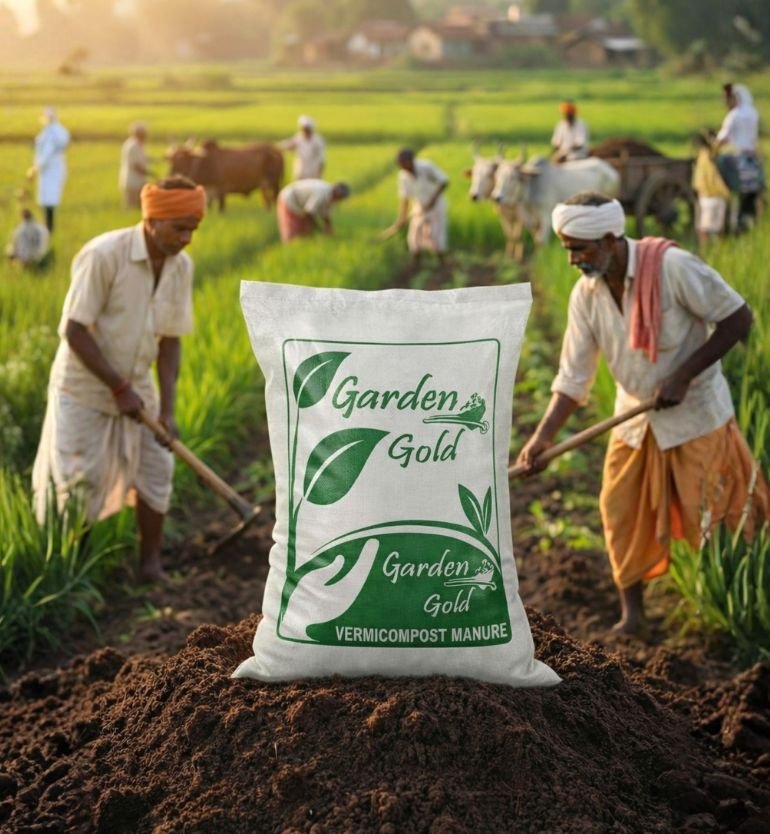
How Garden Gold Builds 100% Pure Cow-Dung Vermicompost at 500+ Ton Monthly Scale Home / December 16, 2025 vermi_admin As agriculture moves toward sustainable and chemical-free practices, organic soil nutrition has become essential for long-term productivity. Among all organic inputs, vermicompost stands out for its ability to enrich soil naturally, improve crop performance, and restore soil health over time. Garden Gold has earned trust across the agricultural sector by producing 100 per cent pure cow-dung vermicompost at a large-scale capacity of over 500 tons per month, combining traditional organic principles with scientific process control. Why Cow-Dung Vermicompost Is Considered the Best Vermicompost Cow dung is one of the richest natural organic materials available for composting. When processed by earthworms, it transforms into vermicompost that is rich in plant-available nutrients, beneficial microorganisms, and stable organic carbon. Garden Gold uses only well-sourced cow dung, ensuring the final compost remains free from chemical residues, synthetic additives, and industrial contaminants. This purity plays a critical role in improving soil structure, enhancing microbial activity, and supporting healthy root development. These qualities are why cow-dung-based compost is widely regarded as the best vermicompost for agriculture, horticulture, landscaping, and gardening applications. Input Discipline: The Foundation of Quality Vermicompost Large-scale vermicomposting demands strict control over raw materials. Garden Gold follows disciplined sourcing and preparation practices to maintain compost integrity from the very beginning. Key input practices include: Using only well-aged and uncontaminated cow dung Avoiding chemical residues and non-biodegradable waste Maintaining an ideal carbon-to-nitrogen balance Ensuring consistent moisture levels before composting begins This disciplined approach enables uniform decomposition and prevents quality variations in the final product. Scientifically Managed Vermicomposting Process Producing vermicompost at scale requires precision, consistency, and biological balance. Garden Gold follows a structured and carefully monitored vermicomposting process designed to support earthworm health and efficient organic breakdown. Bedding Preparation Cow dung is partially decomposed before being laid into well-designed vermi beds. This step reduces excess heat and creates a safe, stable environment for earthworms. Earthworm Inoculation Selected species of composting earthworms are introduced into the beds. These worms consume organic matter and convert it into nutrient-rich vermicast, enhancing soil fertility. Moisture and Temperature Control Regular monitoring ensures ideal moisture and temperature conditions, which are critical for sustained earthworm activity and compost quality. Aeration and Maturation Beds are naturally aerated to avoid anaerobic conditions. Over time, the material matures into fine, dark, odour-free vermicompost with high biological activity. This controlled process ensures uniform quality across every batch produced. Systems That Enable 500+ Ton Monthly Production Producing vermicompost at this scale requires more than manpower. Garden Gold has developed a streamlined operational system that allows continuous production without compromising quality. Production is supported by: Multiple large-capacity vermi beds operating simultaneously Covered composting areas to protect against weather fluctuations An organised workflow for feeding, monitoring, and harvesting Trained teams assigned to specific stages of production This structured setup allows Garden Gold to consistently maintain monthly output exceeding 500 tons while ensuring product reliability. Quality Checks and Consistency Assurance Each batch of vermicompost undergoes internal quality checks to meet defined standards for texture, moisture balance, and maturity. This focus on consistency ensures predictable performance for farmers across seasons and crop types. The result is a stable organic input that improves soil fertility without disturbing beneficial soil organisms or microbial balance. Why Choose Garden Gold Vermicompost Garden Gold vermicompost delivers visible and lasting results when applied regularly. Its biological activity supports long-term soil improvement rather than short-term nutrient spikes. Key benefits include: Improved soil porosity and structure Better root development and nutrient uptake Enhanced water-holding capacity Increased microbial life in soil Reduced dependence on chemical fertilisers These advantages make it suitable for field crops, plantations, horticulture, nurseries, and landscaping applications. Conclusion Garden Gold’s ability to produce 100 per cent pure cow-dung vermicompost at a scale of over 500 tons per month is the result of disciplined sourcing, scientifically managed composting methods, strong infrastructure, and strict quality control. By prioritising purity and process over shortcuts, Garden Gold delivers a product that truly qualifies as the best vermicompost for modern agriculture. For farmers, growers, and bulk buyers seeking reliable organic nutrition that improves soil health and crop productivity, Garden Gold vermicompost offers a dependable and scalable solution for sustainable farming. Previous Post
