
How Garden Gold Builds 100% Pure Cow-Dung Vermicompost at 500+ Ton Monthly Scale
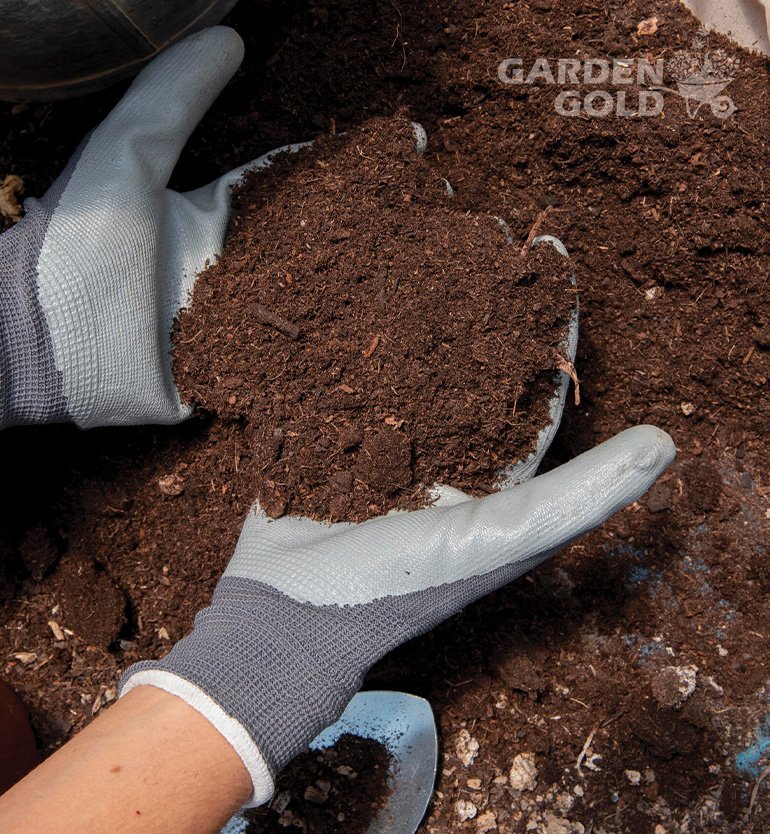
How Garden Gold Builds 100% Pure Cow-Dung Vermicompost at 500+ Ton Monthly Scale Home / December 16, 2025 vermi_admin As agriculture moves toward sustainable and chemical-free practices, organic soil nutrition has become essential for long-term productivity. Among all organic inputs, vermicompost stands out for its ability to enrich soil naturally, improve crop performance, and restore soil health over time. Garden Gold has earned trust across the agricultural sector by producing 100 per cent pure cow-dung vermicompost at a large-scale capacity of over 500 tons per month, combining traditional organic principles with scientific process control. Why Cow-Dung Vermicompost Is Considered the Best Vermicompost Cow dung is one of the richest natural organic materials available for composting. When processed by earthworms, it transforms into vermicompost that is rich in plant-available nutrients, beneficial microorganisms, and stable organic carbon. Garden Gold uses only well-sourced cow dung, ensuring the final compost remains free from chemical residues, synthetic additives, and industrial contaminants. This purity plays a critical role in improving soil structure, enhancing microbial activity, and supporting healthy root development. These qualities are why cow-dung-based compost is widely regarded as the best vermicompost for agriculture, horticulture, landscaping, and gardening applications. Input Discipline: The Foundation of Quality Vermicompost Large-scale vermicomposting demands strict control over raw materials. Garden Gold follows disciplined sourcing and preparation practices to maintain compost integrity from the very beginning. Key input practices include: Using only well-aged and uncontaminated cow dung Avoiding chemical residues and non-biodegradable waste Maintaining an ideal carbon-to-nitrogen balance Ensuring consistent moisture levels before composting begins This disciplined approach enables uniform decomposition and prevents quality variations in the final product. Scientifically Managed Vermicomposting Process Producing vermicompost at scale requires precision, consistency, and biological balance. Garden Gold follows a structured and carefully monitored vermicomposting process designed to support earthworm health and efficient organic breakdown. Bedding Preparation Cow dung is partially decomposed before being laid into well-designed vermi beds. This step reduces excess heat and creates a safe, stable environment for earthworms. Earthworm Inoculation Selected species of composting earthworms are introduced into the beds. These worms consume organic matter and convert it into nutrient-rich vermicast, enhancing soil fertility. Moisture and Temperature Control Regular monitoring ensures ideal moisture and temperature conditions, which are critical for sustained earthworm activity and compost quality. Aeration and Maturation Beds are naturally aerated to avoid anaerobic conditions. Over time, the material matures into fine, dark, odour-free vermicompost with high biological activity. This controlled process ensures uniform quality across every batch produced. Systems That Enable 500+ Ton Monthly Production Producing vermicompost at this scale requires more than manpower. Garden Gold has developed a streamlined operational system that allows continuous production without compromising quality. Production is supported by: Multiple large-capacity vermi beds operating simultaneously Covered composting areas to protect against weather fluctuations An organised workflow for feeding, monitoring, and harvesting Trained teams assigned to specific stages of production This structured setup allows Garden Gold to consistently maintain monthly output exceeding 500 tons while ensuring product reliability. Quality Checks and Consistency Assurance Each batch of vermicompost undergoes internal quality checks to meet defined standards for texture, moisture balance, and maturity. This focus on consistency ensures predictable performance for farmers across seasons and crop types. The result is a stable organic input that improves soil fertility without disturbing beneficial soil organisms or microbial balance. Why Choose Garden Gold Vermicompost Garden Gold vermicompost delivers visible and lasting results when applied regularly. Its biological activity supports long-term soil improvement rather than short-term nutrient spikes. Key benefits include: Improved soil porosity and structure Better root development and nutrient uptake Enhanced water-holding capacity Increased microbial life in soil Reduced dependence on chemical fertilisers These advantages make it suitable for field crops, plantations, horticulture, nurseries, and landscaping applications. Conclusion Garden Gold’s ability to produce 100 per cent pure cow-dung vermicompost at a scale of over 500 tons per month is the result of disciplined sourcing, scientifically managed composting methods, strong infrastructure, and strict quality control. By prioritising purity and process over shortcuts, Garden Gold delivers a product that truly qualifies as the best vermicompost for modern agriculture. For farmers, growers, and bulk buyers seeking reliable organic nutrition that improves soil health and crop productivity, Garden Gold vermicompost offers a dependable and scalable solution for sustainable farming. Previous Post
Best Organic Manure for Winter Crops and Vegetables
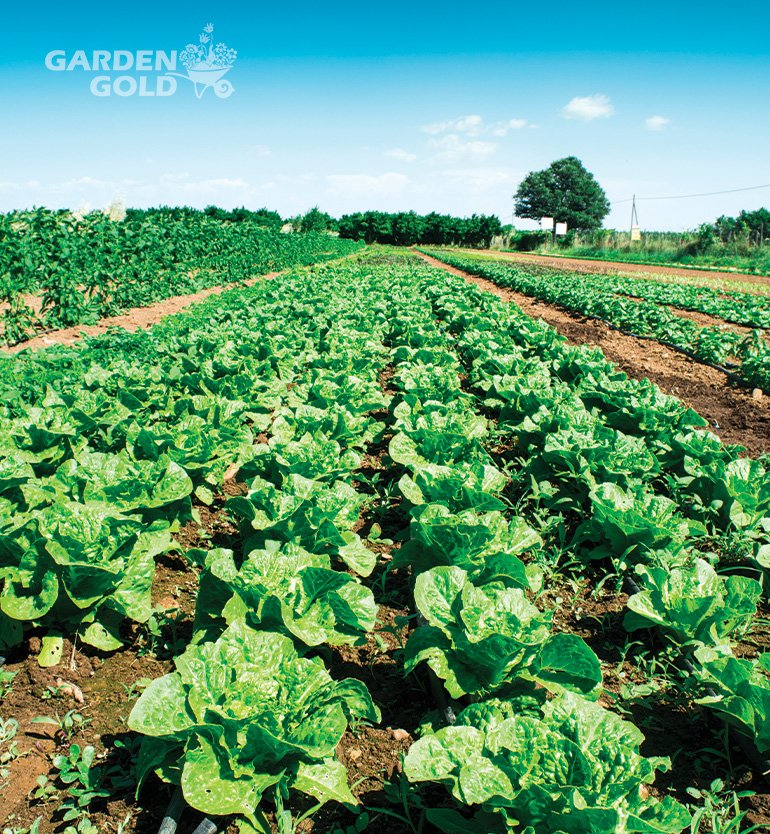
Best Organic Manure for Winter Crops and Vegetables Home / December 16, 2025 vermi_admin Winter is one of the most productive seasons for growing fresh, nutritious vegetables. The stable climate supports crops such as spinach, cauliflower, cabbage, peas, carrots, radish, broccoli, and fenugreek. But for these crops to grow strong and healthy, the soil needs the proper nourishment. Among all the options available today, organic manure for winter crops is considered one of the most effective and trusted solutions for farmers, gardeners, and greenhouse growers. Understanding the Needs of Winter Vegetables Winter vegetables grow in colder soil temperatures and shorter daylight hours. This means they need steady moisture, balanced nutrition, and healthy soil structure to thrive. While chemical fertilisers may give quick results, they often weaken the soil over time. Organic manure, on the other hand, enriches the soil naturally and supports consistent, long-term growth throughout the season. Benefits of Using Organic Manure for Winter Crops Better Soil AerationOrganic manure loosens compact soil and improves air circulation around the roots. Root vegetables like carrots and radish grow best in loose, well-aerated soil. Steady Nutrient SupplyOrganic manure breaks down slowly and releases nutrients at a balanced rate. This helps winter crops maintain healthy growth even during colder days. Improved Water RetentionDry winter air can cause moisture loss in soil. Organic manure improves water-holding capacity, reducing the need for frequent watering and preventing nutrient leaching. Boosts Soil MicroorganismsHealthy soil depends on beneficial microbes. Organic manure promotes microbial activity, helping plants absorb nutrients more efficiently. Best Type of Organic Manure for Winter Crops Vermicompost is one of the most recommended choices for winter vegetables. It is rich in essential nutrients like nitrogen, potassium, phosphorus, and trace minerals. Vermicompost has a soft, crumbly texture and a pleasant earthy smell, and it improves plant health quickly and naturally. Benefits of Using Vermicompost Increases nutrient availability. Improves seed germination. Enhances crop colour, size, and taste. Safe for organic and chemical-free farming. How to Use Organic Manure for Winter Crops Apply organic manure before sowing winter crop seeds. Mix 2 to 4 kg of vermicompost into the topsoil per square meter. Add additional manure during mid-season growth for healthier crops. Use as a top dressing around established plants to boost nutrient intake. Best Winter Vegetables to Grow with Organic Manure Cabbage Cauliflower Spinach Peas Carrots Radish Beetroot Spring onions These vegetables respond exceptionally well to organic manure for winter crops, resulting in stronger growth, better yield, and improved taste. Final Thoughts Using organic manure for winter crops is one of the most intelligent choices for anyone who wants healthier soil, higher yield, and chemical-free vegetables. Whether you are growing crops on a farm, a kitchen garden, or a greenhouse, organic manure provides the essential nourishment your winter vegetables need to thrive. For high-quality, reliable, nutrient-rich options, explore premium vermicompost and organic soil boosters from Garden Gold Vermicompost to give your winter crops the perfect start. FAQs Why is organic manure necessary for winter crops? Organic manure improves soil health, retains moisture, and provides steady nutrients needed for healthy growth in cold conditions. Which organic manure is best for winter vegetables? Vermicompost is ideal as it is rich in nutrients, easy to absorb, and safe for chemical-free winter farming. How often should organic manure be applied during winter? Apply before sowing and once again during mid-season growth for consistent nutrition. Can organic manure be used for kitchen gardens and greenhouses? Yes, organic manure is suitable for farms, home gardens, and greenhouse cultivation. Previous PostNext Post
