
Agriculture Matters: How Organic Manure Helps Our Future
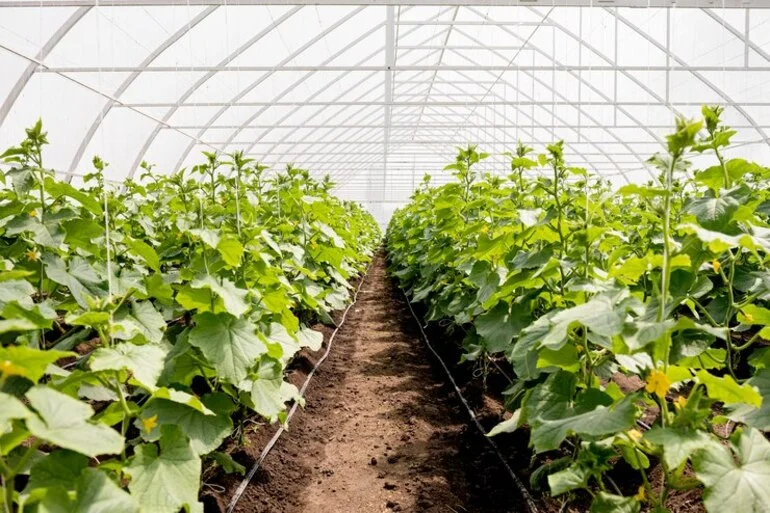
Agriculture Matters: How Organic Manure Helps Our Future Home / January 23, 2023 vermi_admin Why Agriculture Is So Important Agriculture is the backbone of human life. As the global population keeps growing, we need to find smart ways to grow more food without harming the Earth. Traditional farming with chemical fertilizers and pesticides may work faster, but it damages the soil and pollutes water over time. That’s why natural farming methods are becoming more popular. One of the best ways to protect the soil and grow healthy crops is by using organic manure. This natural solution helps keep the land fertile for generations to come. What Is Organic Manure? Organic manure is a natural soil booster made from animal waste, crop leftovers, kitchen scraps, or plants. It contains nutrients like nitrogen, phosphorus, and potassium all of which are essential for plants to grow strong and healthy. Unlike synthetic fertilizers, it breaks down slowly, feeds the soil steadily, and doesn’t harm the environment. Benefits of Organic Manure Using natural manure is one of the smartest ways to improve farming. Here’s why: Benefit What It Means for Your Farm or Garden Improves Soil Health Adds organic matter, improving texture and life Boosts Water Retention Helps soil hold water for longer periods Promotes Healthy Roots Encourages deeper root growth Reduces Chemical Dependency No need for harmful synthetic fertilizers Protects the Environment Reduces pollution and promotes biodiversity These benefits make it ideal not only for big farms but also for home gardens and kitchen farming. Types of Organic Manure There are several types of natural manure you can use, depending on what you need: 1. Farmyard Manure (FYM) Made from cow dung, leftover feed, and farm waste. It’s commonly used in rural areas. 2. Compost Created from kitchen waste, dry leaves, and vegetable peels. It’s easy to make at home. 3. Green Manure Involves growing specific plants like legumes and ploughing them back into the soil. 4. Vermicompost Made with the help of earthworms, this type is rich in nutrients and breaks down faster. 5. Biogas Slurry Leftover from biogas plants, this is a thick liquid full of nutrients that plants love. Each of these types can enrich your soil naturally and help grow better crops without chemicals. Why Choose Garden Gold Organic Manure? If you want a reliable and ready-to-use product, Garden Gold Organic Manure is a top choice. It’s made from high-quality natural materials and supports plant growth in the most eco-friendly way. Here’s what makes it stand out: Pure & Natural: No artificial chemicals Suitable for All Types of Soil and Crops Eco-Friendly Packaging: Safe for you and the environment Worm-Rich Formula: Helps improve microbial activity in the soil Whether you’re a professional farmer or a weekend gardener, Garden Gold helps your plants thrive naturally. How Organic Manure Supports the Future As we look to the future, farming must be more sustainable and nature-friendly. Natural manure methods protect the soil, save water, and grow healthier food. Using fewer chemicals also means fewer toxins in our water, air, and food. Communities that return to nature-based solutions are not only protecting the planet but also ensuring better food security for future generations. Conclusion: Grow Smart, Grow Green Healthy farming is the key to a healthy planet. Using organic manure is one of the simplest yet most powerful steps we can take toward better soil, safer food, and a cleaner Earth. It helps reduce waste, saves money, and grows stronger plants all without harming the environment. So whether you’re planting flowers at home or running a full-scale farm, choose natural methods that work with nature, not against it. By switching to this eco-friendly fertilizer, you support sustainable gardening and give your indoor plants the best possible foundation for lush, vibrant growth. Choose Garden Gold Vermicompost today and let your indoor garden bloom beautifully.
What is the difference between vermiculture and vermi compost?
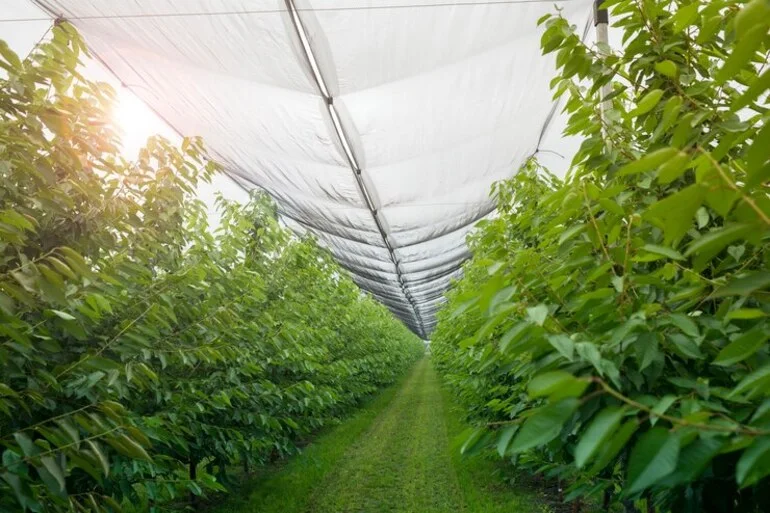
What is the difference between vermiculture and vermi compost? Home / January 23, 2023 vermi_admin When exploring sustainable gardening or organic farming, it’s easy to confuse vermiculture and vermicompost. While both involve earthworms, their roles and goals are quite different. Understanding the difference between vermiculture and vermicompost can help you choose the right method for your garden’s needs, whether you’re aiming to enrich your soil or scale up your worm population. These eco-friendly practices not only improve soil health but also reduce household waste, making them a win-win for you and the environment. What is Vermiculture? Vermiculture is the science of breeding and growing earthworms. This method focuses on expanding worm populations for: Starting or scaling composting systems Selling worms for fishing, agriculture, or educational use Research or commercial production Goal: Increase worm count by maintaining optimal reproductive conditions.Ideal for: People wanting to start a vermicompost setup or sell worms. What is Vermicomposting? Vermicomposting is the process of converting organic waste into nutrient-rich compost using earthworms like red wigglers. Worms break down kitchen scraps and other biodegradable material into worm castings, also called vermicompost. Excellent for recycling kitchen and garden waste Boosts soil fertility and plant health Reduces the need for chemical fertilizers Goal: Produce compost by keeping a dense population of worms.Ideal for: Gardeners and farmers seeking sustainable soil enrichment. Key Differences at a Glance Aspect Vermiculture Vermicompost Purpose Worm breeding & population growth Compost production using worms Focus Reproduction of worms Waste breakdown into organic fertilizer Worm Density Low (to promote reproduction) High (for maximum compost output) Output Earthworms Nutrient-rich worm castings (manure) Application Expansion of worm colonies Enriching soil with organic matter Why Knowing the Difference Matters Understanding the difference between vermiculture and vermicompost helps you: Choose the right method based on your goal Save time and resources by applying the right technique Create a more effective and sustainable composting system Whether you’re aiming to grow your worm population or nourish your garden soil, selecting the correct process ensures success. How They Work Together Vermiculture can support vermicomposting by supplying a steady population of healthy, active worms. Many composting operations begin with vermiculture to establish a strong worm base before scaling up compost production. In short, vermiculture is a part of the vermicomposting process, but both serve unique and complementary purposes. Conclusion Choose vermiculture if you want to raise and multiply worms. Choose vermicompost if your aim is to recycle organic waste into natural fertilizer. Both techniques support eco-friendly practices, but understanding the difference between vermiculture and vermicompost ensures you choose the right method for your needs. Whether you’re aiming for better soil health or sustainable waste management, making the right choice can lead to a greener, healthier garden and a healthier planet.
Top 5 Best Indoor Plants to Beautify and Purify Your Home

Top 5 Best Indoor Plants to Beautify and Purify Your Home Home / January 23, 2023 vermi_admin Looking to enhance your living space with greenery? In this blog, we explore the best indoor plants that not only beautify your home but also purify the air and improve well-being. Whether you’re a plant lover or just starting your indoor gardening journey, this guide offers expert tips, care advice, and the top plant choices to help you build your perfect indoor oasis. What are Indoor Plants? Indoor plants are specifically grown to thrive inside homes, offices, or other enclosed environments. They are selected for their adaptability to low-light conditions and their ability to enhance indoor aesthetics. Beyond looks, the best indoor plants can significantly improve air quality, reduce stress, and create a calm, refreshing atmosphere. In this blog, we list 5 of the best indoor plants commonly found across India, perfect for beginners and plant enthusiasts alike. 1. Snake Plant ( Sansevieria) The snake plant is a popular indoor plant renowned for its ability to purify the air and release oxygen even at night, making it a perfect choice for bedrooms. With its long, sword-shaped leaves and unique patterns, the snake plant adds a touch of elegance to any space. Besides its aesthetic appeal, this low-maintenance plant requires minimal care and thrives in various light conditions. It efficiently absorbs harmful toxins, such as formaldehyde and benzene, from the air, promoting a healthier indoor environment. Whether you’re a seasoned plant enthusiast or a beginner, the snake plant is a must-have addition to your indoor garden, offering both beauty and a continuous supply of fresh oxygen. Care tips for Snake plant place it in a well-draining pot, Water by spraying, and avoid overwatering. provide indirect sunlight With its air-purifying qualities and easy care requirements, the snake plant is a fantastic choice for any indoor plant enthusiast. 2. Peace Lily (Spathiphyllum) The peace lily is a stunning indoor plant renowned for its beautiful white flowers and air-purifying abilities. Apart from its aesthetic appeal, the peace lily is also a great contributor to indoor air quality as it releases oxygen continuously, even during the night. This makes it an excellent choice for bedrooms or areas where you spend a significant amount of time. Care tips for Peace Lily plant Providing Indirect sunlight Ensuring proper drainage while watering Misting and cleaning leaves can’t give a lush appearance Following these tips can make peace lily a fantastic addition to any indoor space. 3. Money Plant The Money Plant, also known as Pothos or Devil’s Ivy, is a popular indoor plant that not only adds a touch of greenery to your space but also provides continuous oxygen supply, making it ideal for improving indoor air quality. With its trailing vines and heart-shaped leaves, the Money Plant brings a refreshing and calming presence to any room. Care tips for Snake plant Placing it in bright but indirect sunlight, Watering it moderately Can be placed in glass bottles filled with water or soil Regularly pruning its leaves for healthy growth With its air-purifying qualities and low-maintenance nature, the Money Plant is an excellent choice for both seasoned and beginner indoor gardeners. 4. Spider Plant (Chlorophytum) The Spider Plant, scientifically known as Chlorophytum comosum, is a popular choice for indoor gardening enthusiasts. Apart from its aesthetic appeal with its cascading green and white striped leaves, the Spider Plant is also known for its ability to produce oxygen and improve indoor air quality. This makes it an ideal choice for those looking to create a healthier living environment. Caring for a Spider Plant is relatively easy. It thrives in indirect sunlight and requires well-draining soil. Regular watering, allowing the soil to dry between waterings, and occasional misting to increase humidity are essential for its well-being. Spider Plants are known for their resilience and can even tolerate neglect. With its air-purifying qualities and low maintenance requirements, the Spider Plant is a wonderful addition to any indoor space. Care tips for Spider Plant Water such that the soil remains moist. Too much watering can lead to the rotting of roots. Occasional Pruning can benefit plant growth. Browning of leaves is natural. This can happen due to excess salt in the water. Use distilled water to water plants, which helps to reduce salt concentration. Spider Plants are known for their resilience and can even tolerate neglect. With its air-purifying qualities and low maintenance requirements, the Spider Plant is a wonderful addition to any indoor space. 5. Aloevera (Ghrit Kumari) Aloe vera, a versatile succulent plant, is not only known for its beauty but also for its air-purifying qualities. It releases oxygen during the night, making it an excellent choice for an indoor plant that provides 24-hour oxygen supply. Apart from its oxygenating properties, aloe vera is renowned for its healing properties and the gel-like substance within its leaves, which is used for various skincare and medicinal purposes. Care tips for Spider plant Ensure bright sunlight or artificial light throughout the day. A southern or western window can serve the purpose. Water the plant deeply but infrequently as being succulent it is accustomed to dry conditions. Water the plant once a week in indoor conditions. The ideal temperature is between 13 to 30 °C. Due to its oxygen releasing and medicinal choices, Aloe Vera is a great choice for home and office spaces. With our expert tips and plant care insights, you’ve now discovered some of the best indoor plants including snake plant, peace lily, money plant, spider plant, and aloe vera. These plants not only enhance the look of your home but also support cleaner air and a healthier indoor environment. With just a little care, you can enjoy the lasting beauty and wellness benefits of an indoor garden. Boost Your Indoor Plant Growth with Garden Gold Vermicompost To help your plants truly thrive, choose Garden Gold Vermicompost, made from fresh cow dung and packed with vital nutrients, beneficial microbes, and organic matter. It naturally
